



3.4 Magnitude Earthquake Hits Bay Area Near San Ramon – USGS Reports Tremor and Local Impact
A 3.4 magnitude earthquake struck the Bay Area near San Ramon on Jan 30, 2026. USGS reports epicenter, depth, and local effects for residents.
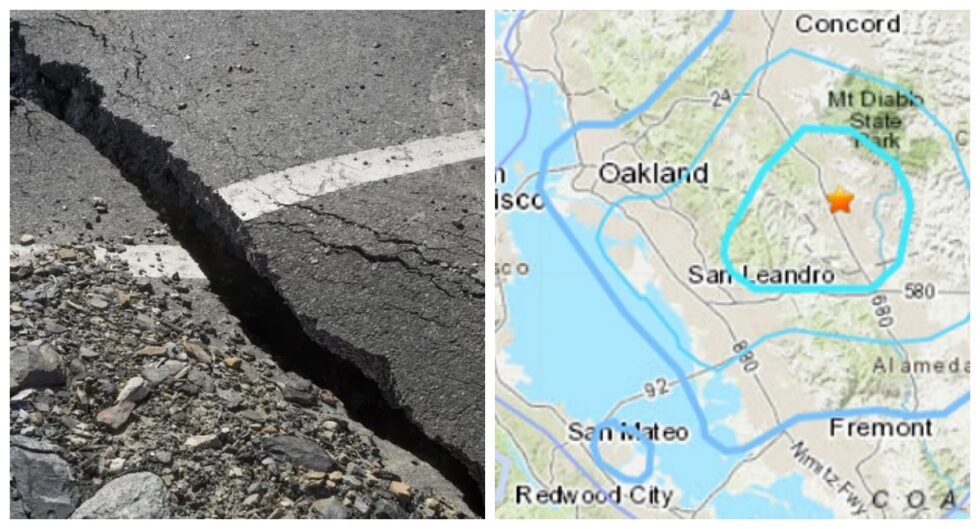
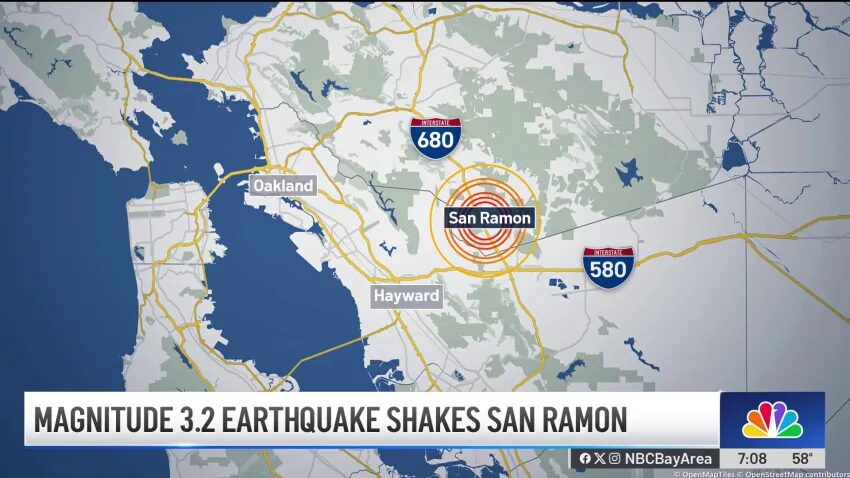
A 3.4 magnitude earthquake struck the San Francisco Bay Area (California, USA) on the morning of January 30, 2026. The quake occurred just after 10:30 a.m. local time, approximately 3 miles (5 km) southeast of San Ramon, according to the United States Geological Survey (USGS). Residents in San Ramon, Dublin, and surrounding communities reported feeling the tremor, though no immediate reports of damage were available. For people in Germany, this event is relevant because seismic activity in regions like the Bay Area illustrates how tectonic monitoring, risk assessment, and preparedness protocols are organized internationally, as well as which data sources are relied upon. Germans with family, business, or travel connections in California can benefit from understanding these seismic reports and their practical implications, reports San Francisco Newsroom via USGS.
What a 3.4 Magnitude Earthquake Is and How It’s Measured in the U.S.
A 3.4 magnitude earthquake is measured using the Moment Magnitude Scale (Mw), which quantifies the energy released by a quake. Magnitudes between 3.0 and 4.0 are considered lightly felt but rarely damaging. The USGS records earthquakes through a network of seismic stations that monitor ground motion, depth, and epicenter location. This quake had a depth of approximately 11 km below the surface, typical for tectonic activity in California.
San Ramon is located along the San Andreas fault system, including secondary faults like the Calaveras Fault, which is one of the most active tectonic regions in California. Earthquake data are automatically processed and then verified by seismologists.
Common LSI keywords: epicenter, seismic monitoring, USGS earthquake data.
| Feature | Details | Germany Notes |
|---|---|---|
| Magnitude | 3.4 Mw | Light earthquake; similar to small tremors detectable by instruments |
| Date & Time | January 30, 2026, ~10:30 a.m. PST | ~6:30 p.m. CET in Germany |
| Epicenter | ~3 miles SE of San Ramon | California, USA – no direct risk for Germany |
| Depth | ~11 km | Moderate depth; felt near epicenter |
| Damage | None reported | Typical for this magnitude |
| Monitoring Agency | USGS | State agency comparable to GFZ in Germany |
| Local Geology | Calaveras Fault region | Seismically active; unlike stable German regions |
| Felt Area | San Ramon, Dublin, East Bay | Noticeable locally; no effect in Germany |
How a Quake Like This Affects Bay Area Residents
In the San Francisco Bay Area, a 3.4 magnitude quake is considered a “light shake” often felt by people near the epicenter. Typical experience includes:
- Check time and official reports: USGS releases automatic updates within minutes, including magnitude, coordinates, and depth.
- Personal perception: Residents of San Ramon, Dublin, Pleasanton, and Walnut Creek often feel a brief shaking, especially in taller buildings.
- Safety measures: During the tremor, follow Drop, Cover, Hold On until shaking stops.
- Early warning apps: ShakeAlert and MyShake notify residents of potential shaking seconds in advance.
- No structural damage expected: Earthquakes of this magnitude rarely cause harm.
- Aftershocks: Small aftershocks (2–3 magnitude) may follow but are usually harmless.
Key Points
- Important requirement: Check local seismic data in real time
- Key document or step: Download USGS earthquake information
- Useful local tip: Secure items in homes and offices
- Common rule: No panic for magnitude < 4 – damage is rare
- Practical recommendation: Keep a basic emergency kit at home
Real-Life Situations for Germany Residents
Although earthquakes are rare in Germany, regions like the Rheintal, Vogelsberg, or Swiss border areas occasionally experience minor tremors. German engineers visiting California often monitor Bay Area seismic activity to compare emergency preparedness protocols. Travelers in San Ramon reported a few seconds of shaking, with no damage or disruption to transportation.
“Many Bay Area residents face this situation every year,” explains a local consultant.
“Understanding the local rules is essential in Germany,” notes a community adviser.
Such comparisons help understand risk communication, building codes, and disaster preparedness across different seismic contexts.
| Option | Benefits | Limitations |
|---|---|---|
| Local monitoring (USGS) | Real-time, free | Only relevant in the USA |
| Seismic apps | Early alerts, mobile notifications | App coverage may vary |
| Building risk analysis | Long-term planning | Not an immediate warning tool |
| Safety training | Raises awareness | Does not prevent earthquakes |
Common Mistakes Bay Area Residents Should Avoid
Many residents mistakenly interpret a light quake as a warning of an imminent “big one.” Swarm activity (multiple small quakes) indicates fault activity but does not predict a large quake.
Another common mistake is lacking emergency kits. California recommends keeping water, food, flashlight, and first aid supplies ready, since even light shaking can disrupt infrastructure temporarily.
Frequently Asked Questions
Q: What does a 3.4 magnitude earthquake mean?
A: A 3.4 magnitude quake is considered light, causing minor shaking but rarely any damage. Measurement is based on the USGS Moment Magnitude Scale.
Q: Where was the epicenter of the 3.4 earthquake?
A: Approximately 3 miles southeast of San Ramon in the East Bay of the Bay Area, California.
Q: Could people in Germany feel this quake?
A: No, tremors of this magnitude are only felt locally near the epicenter.
Q: How often do earthquakes of this size occur in the Bay Area?
A: The Bay Area frequently experiences small quakes, especially along active faults like the Calaveras Fault.
Q: What should you do after such a quake?
A: Check local updates, prepare for aftershocks, and review emergency procedures.
San Francisco News keeps the city, the Bay Area and the wider world informed with clear, useful reporting on what matters: Understanding the Vicha Ratanapakdee Case and Its Impact in San Francisco