



Why Verizon users across the US are seeing ‘SOS’ on their phones during outage
Verizon outage leaves thousands seeing ‘SOS’ instead of signal bars, affecting calls and data across several US states. What is confirmed, where issues are reported, and how users can stay connected.
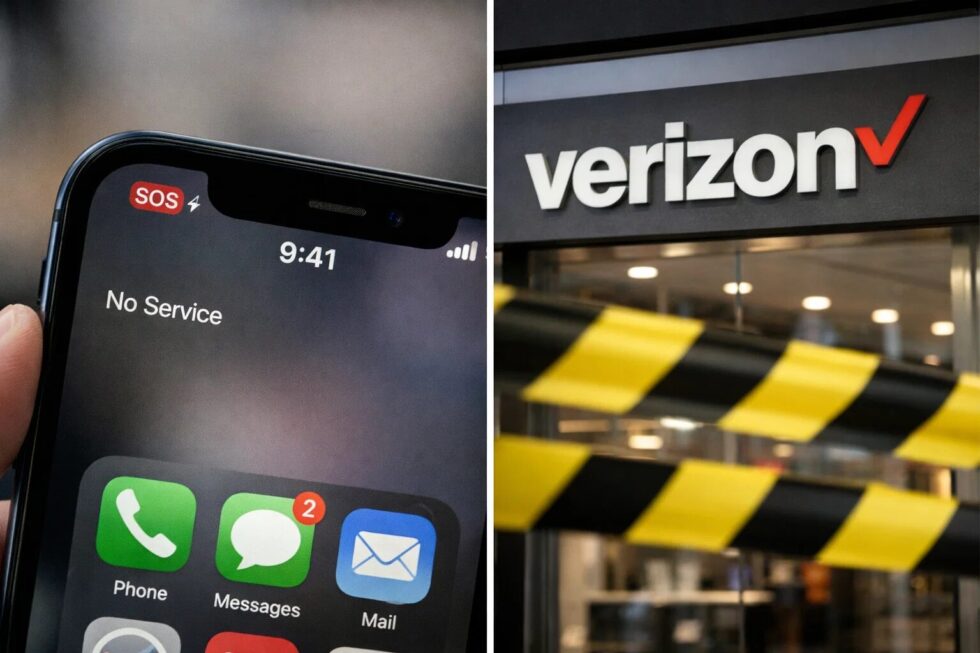
Users of Verizon across multiple US states reported a sudden loss of mobile connectivity on Tuesday, with phones displaying “SOS” instead of normal signal bars. The issue affects both voice calls and mobile data for some customers. Reports began rising rapidly during the afternoon, with outage-tracking platforms logging tens of thousands of complaints within hours. Verizon has confirmed a network problem and says engineers are working to resolve it, but has not provided a timeline for full restoration. This is reported by San Francisco News editorial team, citing TechRadar.
According to user reports on social platforms and data from Down Detector, the disruption appears geographically widespread rather than limited to a single city. Customers describe being unable to place calls, send texts, or use mobile internet, while some devices default to emergency or satellite connectivity modes. Verizon acknowledges the disruption and says it understands the importance of reliable service.
What the ‘SOS’ signal means for Verizon users
When a phone shows “SOS” in place of network bars, it indicates the device cannot connect to its carrier’s cellular network and is falling back to emergency connectivity options. On newer smartphones, particularly recent iPhone models, this can include satellite-based emergency features designed for situations with no cellular coverage.
In this outage, the appearance of “SOS” does not indicate a problem with the handset itself. It reflects a failure to authenticate or maintain a connection to Verizon’s network at that moment. Users experiencing the issue report that restarting devices or toggling airplane mode has not consistently restored service, suggesting the root cause lies within the carrier’s infrastructure rather than individual phones or SIM cards.
For many customers, the sudden switch to “SOS” has practical consequences:
- Calls may fail or drop immediately
- SMS and messaging apps relying on mobile data may not send
- Mobile internet access may be unavailable
- Two-factor authentication messages may not arrive
Confirmed scale of the outage and affected regions
Outage reports surged rapidly during the afternoon of 14 January. Down Detector data showed more than 46,000 reports within a short period, later climbing to over 90,000. While such platforms rely on user submissions and cannot independently verify each case, the volume and consistency of reports indicate a significant disruption.
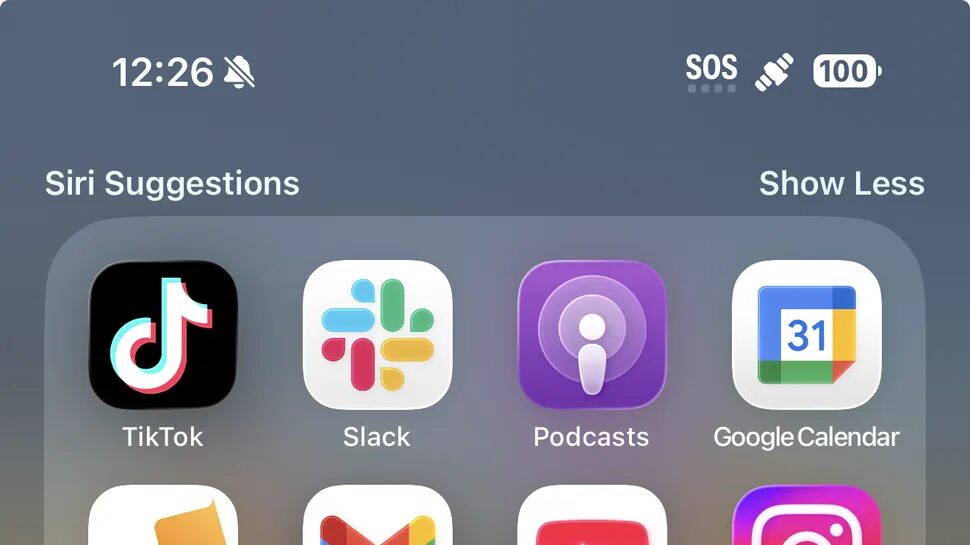
Based on user submissions and comments, the following areas are among those most frequently mentioned:
| Region or state | Common user reports | Status during outage |
|---|---|---|
| New York metro area | No service, “SOS” displayed | Ongoing issues reported |
| Texas | Voice and data unavailable | Ongoing issues reported |
| Florida | Intermittent or no service | Ongoing issues reported |
| Nevada (Las Vegas) | Network drops, SOS mode | Ongoing issues reported |
| South Carolina | No signal, failed calls | Ongoing issues reported |
Verizon’s own Network Status checker did not initially show widespread problems, although some users encountered errors or “please try again” messages when attempting to use the tool. This suggests that internal diagnostic systems may also have been affected or slow to reflect real-time conditions.
What Verizon has officially said
Verizon confirmed the issue in a statement provided to TechRadar, acknowledging disruption to both voice and data services for some customers. The company did not specify the technical cause or the exact scope of the impact.
A Verizon spokesperson said:
“We are aware of an issue impacting wireless voice and data services for some customers. Our engineers are engaged and are working to identify and solve the issue quickly. We understand how important reliable connectivity is and apologize for the inconvenience.”
At the same time, Verizon’s customer support accounts on social media began replying to individual complaints, often with near-identical messages asking users to send direct messages for troubleshooting. These responses appear automated and do not include new technical details.
No estimated time for resolution has been announced.
MVNO users and why some still have service
Interestingly, not all services using Verizon’s infrastructure appear equally affected. Some customers using Visible, a mobile virtual network operator (MVNO) that runs on Verizon’s network, reported continued connectivity during the outage.
This discrepancy raises questions about how traffic is routed within Verizon’s systems and whether certain network segments or authentication layers were impacted more than others. MVNOs typically rely on the host carrier’s physical network but may use different provisioning, prioritisation, or backend systems.
At this stage, there is no official explanation from Verizon as to why some MVNO users retain service while many direct Verizon subscribers do not.
How users are staying connected during the outage
With cellular service unavailable, some users are turning to alternative connectivity options. On compatible iPhone models, Messages via Satellite can be used to send texts when cellular and Wi-Fi are unavailable. Originally designed for remote or wilderness scenarios, the feature allows limited messaging through satellite links.
Other practical steps reported by users include:
- Connecting to Wi-Fi for calls and messaging apps
- Using Wi-Fi calling if previously enabled
- Informing contacts of temporary unavailability
- Avoiding repeated SIM removal or device resets, which may not help
These measures do not restore full mobile service but can reduce disruption until the network issue is resolved.
Practical advice for Verizon customers right now
While waiting for official updates, users can take several steps to manage the situation:
- Check Wi-Fi calling settings and enable them if available
- Avoid unnecessary troubleshooting that could complicate reconnection later
- Monitor official Verizon support channels for updates
- Prepare alternative contact methods if mobile service is critical for work or emergencies
For business users or those dependent on mobile authentication, planning temporary workarounds may be necessary until service stabilises.
Where to get help and information
Customers seeking assistance or information can use the following official channels:
- Verizon Customer Support (US): 1-800-922-0204
- Verizon Support hours: typically 8:00–19:00 local time
- Verizon retail stores: hours vary by location
- In-store support: available for account-level issues, though network restoration cannot be handled locally
For migrants, visitors, or users unfamiliar with US telecom systems, consumer assistance and guidance on connectivity issues can often be obtained through local community support centres or public libraries, many of which provide free Wi-Fi access during outages.
Key questions users are asking – and what is known
Is my phone broken?
No. The “SOS” indicator points to a network connection failure, not a device fault.
Is this a nationwide outage?
Reports suggest a wide, multi-state impact, though Verizon has not confirmed nationwide disruption.
How long will it last?
No official timeline has been provided.
Why does my friend still have service?
Different plans, devices, or MVNO arrangements may be affected differently.
Should I contact support now?
Support can log complaints, but restoration depends on network-level fixes.
San Francisco News keeps the city, the Bay Area and the wider world informed — with clear, useful reporting on what’s happening, where it matters and what people need to know across technology, business and public life.