



Understanding the Vicha Ratanapakdee Case and Its Impact in San Francisco
Learn how the Vicha Ratanapakdee case affects San Francisco residents, elder safety measures, and local legal outcomes in the Bay Area.

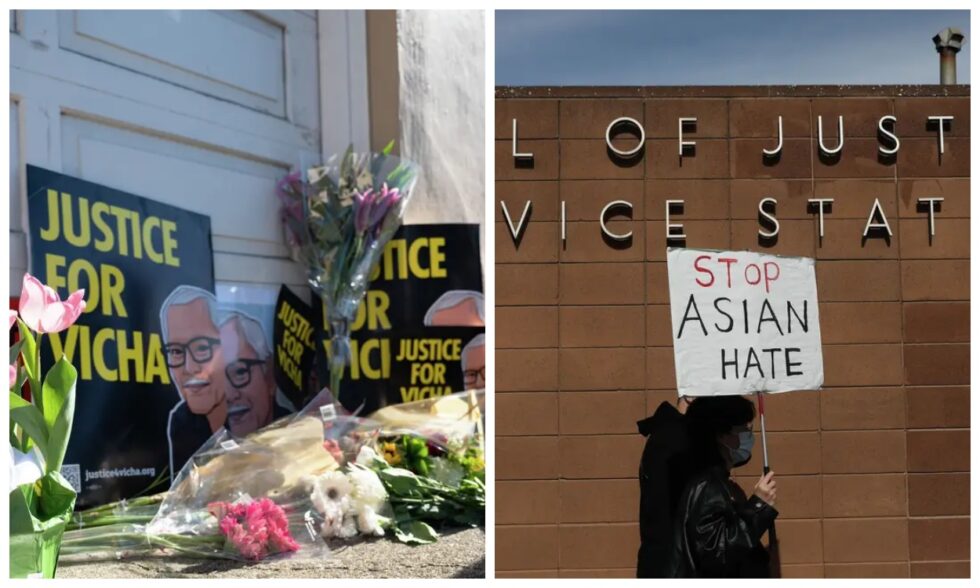
The 2021 killing of Vicha Ratanapakdee, an 84-year-old resident of San Francisco’s Anza Vista neighborhood, marked a turning point in local discussions around elder safety and anti-Asian violence. The case drew national attention, highlighting a rise in hate crimes against Asian Americans and the legal challenges of prosecuting such attacks. For San Francisco residents, understanding the legal outcomes, practical safety measures, and community responses is critical. The verdict, which resulted in involuntary manslaughter and assault convictions rather than murder charges, has practical implications for families, advocates, and local authorities in the Bay Area, influencing both neighborhood vigilance and policy discussions, reports San Francisco Newsroom via SF.
What is the Vicha Ratanapakdee case and how it works in San Francisco
The Ratanapakdee case centers on the fatal assault of an elderly San Francisco resident in January 2021. The accused, 19-year-old Antoine Watson, physically attacked Vicha during a morning walk, causing injuries that led to his death two days later. Although Watson was acquitted of murder and elder abuse, he was convicted of involuntary manslaughter and assault. In San Francisco, involuntary manslaughter carries legal penalties that differ significantly from murder, reflecting the nuanced approach the judicial system takes toward intent, age of victims, and circumstances of the attack.
Local authorities, including the San Francisco Police Department (SFPD) and Chinatown Safety Patrol, coordinate efforts to prevent similar incidents. This includes community outreach, public education, and enhanced patrols in neighborhoods with high concentrations of elderly residents. Legal proceedings in such cases require careful evidence collection, including surveillance video, witness testimony, and forensic analysis, all critical to the final sentencing decision.
Case Details Table
| Feature | Details | San Francisco notes |
|---|---|---|
| Victim | Vicha Ratanapakdee, 84-year-old man | Resided in Anza Vista neighborhood |
| Incident Date | January 28, 2021 | Morning hours during routine walk |
| Perpetrator | Antoine Watson, 19 | Arrested in San Francisco |
| Charges | Initially murder, elder abuse; convicted of involuntary manslaughter and assault | Sentencing pending for aggravating factors |
| Community Response | Asian American advocacy and Stop Asian Hate rallies | Support from local AAPI organizations, city officials |
| Legal Outcome | Lesser convictions | Highlights challenges of proving intent in court |
How the Ratanapakdee case works in real life for Bay Area residents
For families and community members in San Francisco, this case illustrates both the limitations and possibilities of the legal system. Step one involves understanding that elder abuse and violent assaults are treated seriously under California law, but charges may vary based on intent and evidence. Residents are encouraged to report incidents immediately and preserve any documentation, such as surveillance footage or eyewitness statements.
Neighborhood vigilance programs, such as SFPD coordinated patrols and volunteer watch groups in Chinatown and other Bay Area neighborhoods, play a practical role in preventing assaults. Bay Area residents are advised to accompany elderly family members during walks in public areas, use well-lit routes, and familiarize themselves with local emergency contacts. Legal proceedings in the city require close coordination with district attorneys, who evaluate evidence and community testimony before determining appropriate charges.
Practical Steps List
- Important requirement: Report any assault to SFPD promptly
- Key document or step: Preserve video evidence if available
- Useful local tip: Participate in neighborhood watch programs
- Common rule: Ensure elders walk in pairs or with supervision
- Practical recommendation: Contact local Asian American advocacy groups for guidance
Real-life situations in San Francisco
Many Bay Area residents face the reality of heightened vigilance due to rising hate crimes. “Many Bay Area residents face this situation every year,” explains a local consultant. Elderly residents, particularly in neighborhoods like Anza Vista and Chinatown, may be targeted due to age or ethnicity, necessitating proactive safety measures. Community organizations offer workshops on situational awareness and legal rights for potential victims.
“Understanding the local rules is essential in San Francisco,” notes a community adviser. This includes knowing how to engage law enforcement, reporting suspicious activity, and seeking support from advocacy groups. Families often coordinate with local authorities to implement preventive strategies, which has become an integral part of public safety in the Bay Area.
Comparison Table
| Option | Benefits | Limitations |
|---|---|---|
| Increased neighborhood patrol | Deterrence of attacks | Resource-intensive, may not cover all areas |
| Personal accompaniment | Immediate protection for elderly | Requires family/community availability |
| Community workshops | Educates residents on legal and safety steps | Attendance may be inconsistent |
| Surveillance systems | Provides critical evidence for legal cases | Installation and monitoring costs |
| Advocacy support | Guidance on reporting and navigating courts | Limited reach in some neighborhoods |
Common mistakes San Francisco residents should avoid
Residents sometimes assume that minor assaults or threats do not require police intervention, which can delay justice and compromise evidence. Relying solely on family or neighborhood support without engaging formal channels may leave legal claims unsubstantiated. Another common mistake is underestimating the importance of documenting incidents: video recordings, timestamps, and witness accounts can be decisive in court. Families may also overlook local safety programs, missing opportunities for training or community alerts. Ensuring that elderly residents are familiar with emergency contacts and reporting procedures is crucial to avoid preventable harm.
Frequently asked questions
Q: What was the outcome of the Vicha Ratanapakdee case in San Francisco?
A: Antoine Watson was acquitted of murder and elder abuse but convicted of involuntary manslaughter and assault. Sentencing is pending consideration of aggravating factors.
Q: How can Bay Area residents prevent similar incidents?
A: Residents can use neighborhood watch programs, accompany elderly family members, and maintain situational awareness in public areas.
Q: Which neighborhoods in San Francisco are most affected by elder assaults?
A: Areas such as Anza Vista, Chinatown, and Mission District have seen higher reports of incidents involving elderly residents.
Q: What legal resources are available for victims?
A: The San Francisco District Attorney’s Office, SFPD, and Asian American advocacy groups provide reporting guidance and legal support.
Q: How should residents document an assault for legal purposes?
A: Record video evidence if possible, note witness contacts, and report incidents promptly to law enforcement for official documentation.
San Francisco News keeps the city, the Bay Area and the wider world informed with clear, useful reporting on what matters: San Francisco Centre Mall to Close Permanently on January 26, 2026