



SFUSD Teachers Strike 2026: Schools Closed in San Francisco, What Families Need to Know
SFUSD teachers begin strike Feb 10, 2026; schools closed, emergency food and childcare services available for families, duration uncertain.
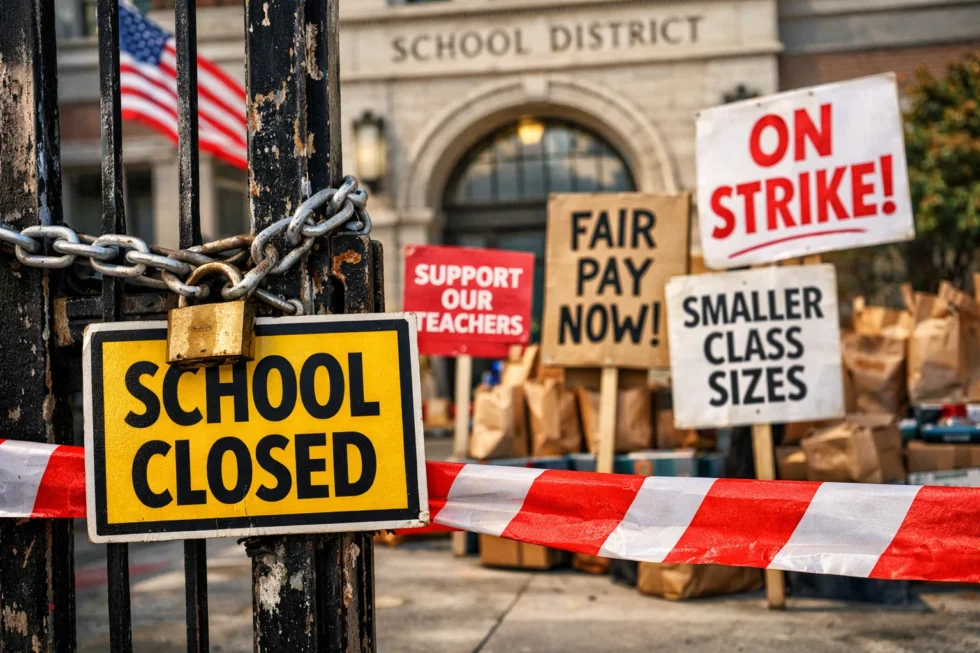
San Francisco Unified School District teachers are set to begin a strike on Monday, February 10, 2026, marking the first major work stoppage in the district in nearly 50 years. The strike comes after nearly a year of stalled negotiations between the district and the United Educators of San Francisco union over wages, health care, class sizes, special education support, and other labor conditions. Schools will remain closed during the strike, and the city has arranged for emergency food distribution and child care support for families affected. The strike duration remains uncertain, potentially lasting until both sides reach an agreement. Reports San Francisco Newsroom, via SFUSD.
Timeline and scale of the SFUSD strike
The strike is scheduled to begin Monday, February 10, 2026, with no predetermined end date. Historical context shows that the last significant SFUSD strike occurred in 1979, lasting nearly seven weeks. Recent California district strikes have been shorter: West Contra Costa Unified teachers struck for four days in December 2025, and Oakland teachers conducted a strike lasting nearly two weeks in 2023. District officials have indicated that all SFUSD schools will remain closed due to safety and staffing concerns. Families should plan for disruptions to typical schedules and childcare arrangements until the strike concludes.
Key issues driving the strike
Negotiations between SFUSD and the union focus on several unresolved topics:
- Wages: The district has offered a 2% raise annually for three years. The union requests a 9% increase over two years, while an independent fact-finder recommended 6% over two years.
- Health care: Teachers currently pay about $1,200 per month for family coverage. The district proposes covering 75% of family health care costs with Kaiser Permanente or providing a $24,000 benefit allowance, subject to funding limits. The union seeks permanent full family coverage.
- Class sizes and special education: The union is pressing for reduced class sizes and additional support staff for special education programs.
- Other considerations: Policies on artificial intelligence use in classrooms, housing assistance for students, and protections for immigrant families remain under discussion.
The total projected cost of union demands for the first year is $161 million, rising to $240 million by the third year. SFUSD faces fiscal oversight from state-appointed trustees to prevent budget deficits, meaning any contract agreement must gain state approval.
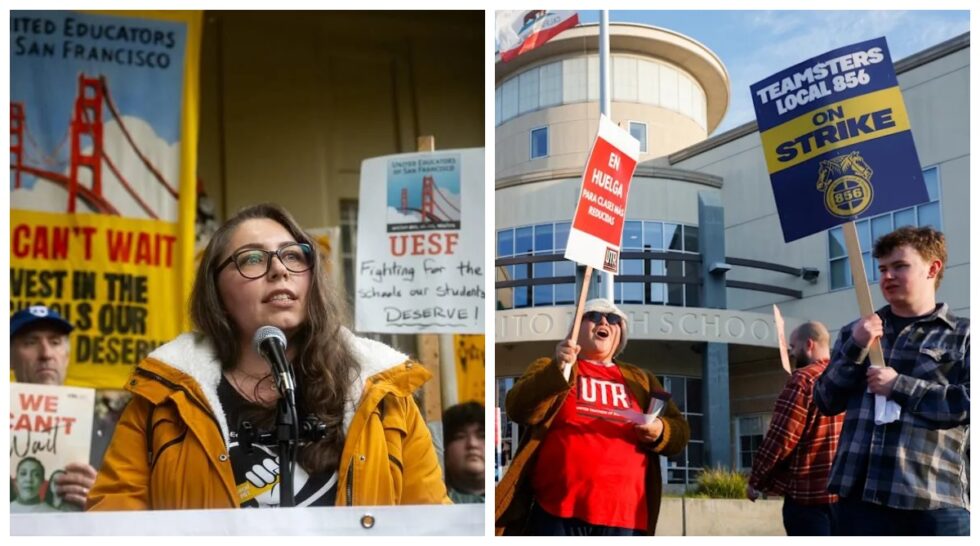
School closures and student provisions
During the strike, SFUSD schools will be closed, and students will not be penalized for absence. Families should note:
- No instructional days will be counted during the strike unless the district later extends the school calendar.
- Emergency food services will be available through city distribution sites, with free lunches provided for students who rely on school meals. Site locations and schedules will be announced by the city via sf.gov.
- Some city-sponsored after-school programs may operate full-day services depending on staffing availability.
Recommended family actions
- Confirm child care availability for the strike period.
- Identify nearest city-run food distribution centers for daily meals.
- Monitor SFUSD updates at sfusd.edu for potential contract developments and school reopening announcements.
- Communicate with employers about potential schedule adjustments during school closures.
- Ensure students have access to online learning resources, though no formal assignments may be required during the strike.
Financial and administrative background
SFUSD’s budget constraints have been influenced by declining enrollment and revenue limitations tied to California’s Proposition 13, which restricts property tax growth. The district has operated under fiscal oversight since 2025 due to long-term budget deficits. Administrators must submit all significant spending decisions to state trustees, complicating negotiations with the teachers’ union.
| Issue | District Proposal | Union Request | Fact-Finder Recommendation |
|---|---|---|---|
| Annual Raise | 2% per year, 3 years | 9% over 2 years | 6% over 2 years |
| Family Health Coverage | 75% or $24,000 allowance, 3-year funding | Full coverage, permanent | Partial coverage, multi-year funding |
| Class Sizes | Current ratios maintained | Reduced sizes, more aides | Gradual reduction |
| Special Education | Limited additional staff | Expanded support | Targeted staff increases |
Negotiation process and prospects
Union President Cassondra Curiel emphasized that strike suspension is contingent on a full agreement across all issues. Negotiation sessions are ongoing, with the next meeting scheduled for Saturday, February 8, 2026. District officials have stated that incremental progress on raises alone would not prevent the strike. City leadership, including Mayor Daniel Lurie, has been in continuous contact with both parties to encourage resolution and coordinate family support services.
Community and parent response
Feedback from SFUSD families reflects a mix of concern and support:
- Parents recognize the financial pressures on teachers and the need for health care and wage adjustments.
- Some express frustration over potential disruptions to student learning and childcare.
- Observers note that long-term consequences may include teacher retention challenges if wage and benefit concerns are not addressed.
What this strike means for San Francisco families
The strike represents an unprecedented disruption in San Francisco public education, requiring families to plan for school closures, alternative child care, and food provision. While the strike may resolve fiscal and labor issues for educators, immediate effects include daily logistical adjustments for households and potential temporary interruptions to student academic schedules. Families are advised to follow official district updates and city announcements for actionable guidance during this period.
SFUSD Strike FAQ: Key Questions for Families
Q1: When will the strike start and how long will it last?
A: The strike is scheduled to begin Monday, February 10, 2026. There is no set end date; it will continue until both the district and union reach a full agreement. Historical context: the last SFUSD strike in 1979 lasted nearly seven weeks.
Q2: Will schools be open during the strike?
A: No. SFUSD has announced all schools will be closed for safety and staffing reasons. Students will not be penalized for absence.
Q3: How will families access school meals?
A: The city will provide free lunches at designated distribution sites. Families should check sf.gov for site locations, meal times, and quantities. Some after-school programs may operate full-day services depending on staffing.
Q4: Will students have to make up lost instructional days?
A: Not necessarily. The district may seek calendar adjustments to meet the 180-day requirement, but in past strikes, the state has often waived this requirement due to hardship on families and staff.
Q5: What are the main issues causing the strike?
A: Unresolved topics include:
- Wage increases (district: 2% per year; union: 9% over two years; fact-finder: 6% over two years)
- Family health care coverage
- Class sizes and special education support
- Use of AI in classrooms, student housing assistance, and protections for immigrant families
Q6: Are teachers guaranteed to return once an agreement is reached?
A: Yes. Once the union and district reach a full contract agreement and state trustees approve it, teachers will resume classroom instruction.
Q7: Who can families contact for updates or help?
A:
- SFUSD official updates: www.sfusd.edu
- City of San Francisco emergency family services: sf.gov
- For food assistance and distribution schedules, check local city announcements and school communications.
Q8: What should families do to prepare?
A:
- Confirm childcare options during school closures.
- Identify nearest city-run food distribution centers.
- Monitor SFUSD and city announcements daily.
- Adjust work schedules or remote work plans if possible.
- Ensure students have access to any available online resources.
San Francisco News keeps the city, the Bay Area and the wider world informed with clear, useful reporting on what matters: San Francisco Centre mall sale: local developers compete for discounted downtown property