



Why working with a webcam studio can be safer and more effective for beginners in San Francisco
How webcam studios help beginners succeed in San Francisco’s creator economy. Streaming platforms, promotion strategies, technical setup and audience growth explained.
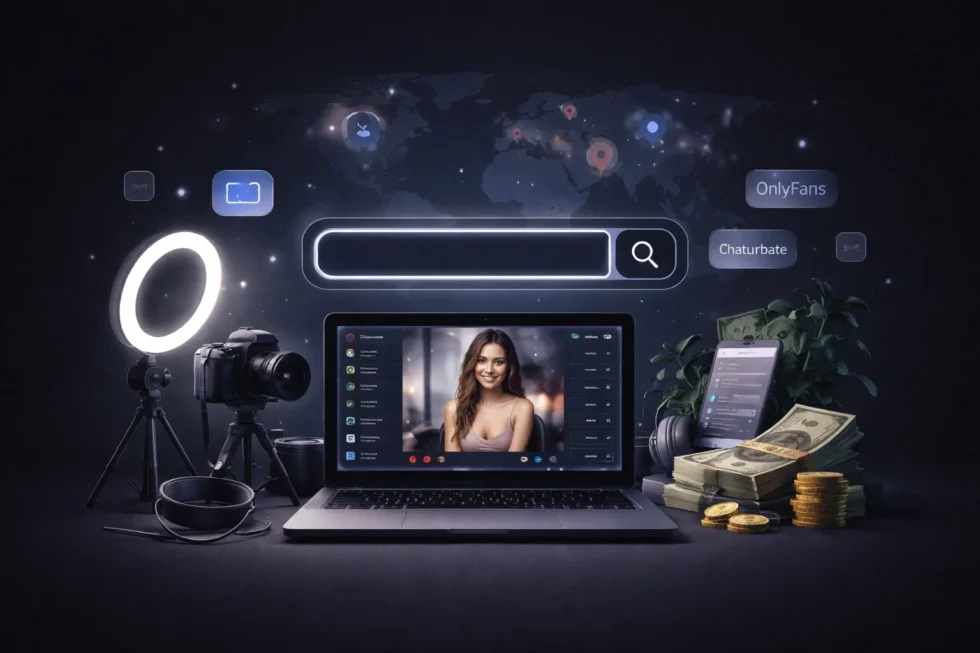
The adult creator economy has become a visible part of the broader digital labor market in the United States. Platforms such as OnlyFans, Chaturbate, Fansly and Stripchat allow performers to monetize live interaction with online audiences through subscriptions, tips and private shows. What once existed on the margins of the internet has gradually developed into a global digital industry that combines live entertainment, creator platforms and direct-to-fan monetization.
Industry analysts estimate that the global webcam and adult creator market now generates more than $15 billion annually, with the United States representing one of the largest sources of traffic and payments. At the same time, search interest in online webcam model work from home has grown steadily in recent years as remote digital jobs become more common. California — and particularly the San Francisco Bay Area — has played a key role in building the technology behind this ecosystem, from streaming infrastructure and cloud services to payment platforms and subscription tools that enable creators to work online from home.
As the industry expands, one of the most common questions for beginners is how to find a reliable webcam studio and build stable online income rather than relying on unpredictable traffic. Reputable studios typically provide structured onboarding, technical setup, marketing guidance and transparent payout systems. For newcomers, choosing a trustworthy studio can reduce early risks, help avoid unreliable intermediaries and create clearer paths to consistent earnings on major streaming platforms. As a result, webcam streaming has become one of the most recognizable forms of independent online work. In theory, almost anyone with a camera, stable internet connection and a platform account can begin broadcasting from home. Compared with many traditional professions, the technical barrier to entry remains relatively low.
However, industry professionals frequently emphasize that starting a stream is easy, but earning consistently is far more complex. Streaming platforms function as competitive digital marketplaces where thousands of performers broadcast simultaneously. Visibility depends on algorithms, ranking systems, viewer engagement, technical quality and promotion strategy. For newcomers entering the market without experience in these systems, the first months often determine whether they will build a stable audience or struggle to gain traction. Many beginners underestimate how much technical knowledge, marketing strategy and audience management are required to transform streaming into a sustainable source of income.

For this reason, many new performers choose to begin their careers with webcam studios or creator management teams, particularly during the early stages of learning how the platforms operate and how the creator economy functions in practice.
How webcam studios help beginners enter the market faster
In the early stages of the webcam industry, studios mainly provided physical locations where performers could access equipment and high-speed internet connections. At that time, broadcasting technology was relatively complex and required infrastructure that individuals often did not have at home. Over the past decade, however, the structure of the industry has evolved significantly. Modern webcam studios increasingly operate not as filming spaces but as digital management teams that help performers navigate the technical, operational and marketing aspects of platform-based streaming.
Their role now extends far beyond providing equipment. Many studios assist with setting up streaming software, optimizing performer profiles, managing platform accounts, analyzing traffic patterns and advising on promotion strategies. In practice, they function as intermediaries between individual creators and the complex ecosystems of streaming platforms. For newcomers, this support can dramatically reduce the time needed to understand how the industry works. Beginners who start independently often spend months experimenting with broadcast formats, schedules and technical settings before achieving stable visibility. Studios attempt to shorten this learning process by providing structured guidance based on experience with multiple performers and platforms. Several areas of support are particularly important for beginners entering the webcam creator economy.
Technical setup and streaming quality
Successful webcam streaming requires significantly more than simply turning on a camera. Technical quality directly affects how long viewers stay in a broadcast, how platforms evaluate room activity and how streams are ranked in discovery systems.
Live-stream platforms measure viewer behavior in real time. If a broadcast suffers from poor lighting, unstable video, audio problems or buffering, viewers tend to leave quickly. High exit rates signal low engagement to platform algorithms, which can push a stream further down in category rankings. Several technical factors therefore have a direct influence on viewer retention and income potential.
| Technical factor | Why it matters |
|---|---|
| Lighting quality | clear and well-lit video increases visual appeal and viewer attention |
| Camera resolution | higher image quality improves perceived professionalism |
| Streaming bitrate | stable bitrate prevents lag and buffering during live broadcasts |
| Audio clarity | clear sound improves communication and interaction with viewers |
| Internet stability | consistent connection prevents stream interruptions |
Professional studios often assist beginners with configuring these technical elements before their first broadcasts. This includes selecting appropriate lighting, optimizing camera positioning, adjusting streaming bitrate settings and ensuring stable internet connectivity. For new performers who are unfamiliar with streaming technology, this preparation can significantly improve early broadcast quality and reduce the technical issues that commonly cause viewers to leave within the first minutes of a stream.
Understanding platform algorithms and monetization
Another major challenge for new performers is understanding how streaming platforms distribute visibility and revenue. Unlike traditional social media feeds, most webcam platforms operate through internal ranking systems that continuously evaluate room activity in real time. These systems typically prioritize broadcasts that generate measurable engagement signals — including viewer retention, chat activity, tipping behavior and overall room traffic. Streams that maintain higher interaction levels are more likely to appear on platform front pages, recommendation sections and high-traffic categories where the majority of users discover new performers. For beginners, this ranking logic is often difficult to interpret. Visibility on many platforms can fluctuate rapidly depending on how audiences interact with a stream during the first minutes of a broadcast.
Studios that work regularly with major platforms often develop practical knowledge of how these ranking mechanisms operate. This experience allows them to help newcomers structure broadcasts in ways that improve early engagement and increase the chances of appearing in higher-visibility categories. Typical areas where studios provide guidance include:
| Platform factor | Why it matters |
|---|---|
| Category selection | determines the level of competition and potential audience reach |
| Broadcast schedule | streaming during peak traffic hours increases exposure |
| Engagement strategy | active chat interaction improves algorithmic ranking |
| Show structure | structured performances maintain viewer retention |
| Monetization tools | private shows, tips and fan clubs drive platform revenue signals |
Traffic patterns also play an important role. Data from several major streaming platforms indicates that viewer activity in North America typically peaks between 8 p.m. and midnight Eastern Time. Broadcasting during these hours often provides significantly higher exposure compared with irregular or off-peak schedules. Understanding these dynamics is essential because platform algorithms increasingly shape how performers build audiences and generate income within the creator economy.
Promotion and audience growth strategies
One of the most persistent misconceptions about webcam streaming is that platforms automatically deliver a steady audience to new performers. In reality, streaming platforms operate as competitive marketplaces where visibility is limited and attention is distributed through ranking algorithms. Successful performers therefore treat webcam streaming not only as entertainment but also as a form of digital audience management. Growth depends on the ability to attract viewers, convert them into repeat visitors and maintain ongoing engagement over time.
Studios that work with beginners often focus on building a structured promotion strategy rather than relying solely on platform discovery systems. Key elements typically include:
| Growth factor | Why it matters |
|---|---|
| Profile optimization | well-structured profiles improve search visibility inside platforms |
| Social media promotion | external traffic can significantly increase room activity |
| Fan community building | repeat viewers generate more stable tipping behavior |
| Cross-platform presence | audiences move between streaming, subscription and messaging platforms |
These mechanisms are essential because most platforms reward consistent viewer engagement, not just short bursts of traffic. Performers who build a base of returning viewers are more likely to maintain stable rankings in platform categories and recommendation systems.
For beginners working independently, understanding these dynamics can take months of experimentation. Studios often shorten this learning process by applying tested promotion strategies and data from previous performers.
Independent streaming versus studio support
Some performers eventually transition to independent work once they gain experience and build a loyal audience. However, the early stages of a streaming career often involve a steep learning curve. The main difference between independent streaming and studio support is typically practical rather than ideological.
| Factor | Independent streaming | Studio support |
|---|---|---|
| technical setup | performer manages equipment alone | studio assists with setup |
| platform knowledge | learned through experimentation | structured guidance |
| promotion | self-managed marketing | marketing support often available |
| earnings | performer keeps full income | revenue shared with studio |
| early audience growth | usually slower | often faster with support |
For this reason, many performers choose to begin their careers with studios and later transition to independent work once they understand how platform ecosystems function.
Why the webcam creator economy continues to grow
The rapid growth of webcam streaming is closely linked to structural changes in the global digital economy. Over the past decade, the rise of creator platforms, live-stream technology and direct-to-fan payment systems has created new ways for individuals to monetize online audiences without traditional media intermediaries. Streaming platforms now combine entertainment, social interaction and digital payments in real time. As a result, performers can generate income through subscriptions, tips, private shows and fan communities — business models that were technically impossible before the expansion of large-scale creator platforms. Several long-term trends continue to drive the expansion of the webcam creator economy.
| Trend | Impact on the industry |
|---|---|
| growth of the creator economy | more individuals monetize online audiences |
| live streaming culture | viewers increasingly prefer real-time interaction |
| remote work normalization | digital work has become widely accepted |
| platform monetization tools | tipping and subscriptions allow direct earnings |
| global audience access | performers can reach viewers worldwide instantly |
These structural shifts have transformed webcam streaming from a niche online activity into a recognized form of platform-based freelance work within the broader creator economy.
A digital profession shaped by platforms
Webcam streaming today sits at the intersection of several rapidly growing sectors of the digital economy: live entertainment, creator monetization and platform-based freelance work. Performers operate as independent online creators, yet their success rarely depends on performance alone. In practice, income and visibility are strongly shaped by the technological ecosystems built by large streaming platforms, including their algorithms, payment systems and discovery mechanisms.
For newcomers entering the industry in markets such as the United States or San Francisco, the main challenge is rarely the technical act of starting a stream. The more complex task is understanding how digital platforms actually distribute attention and revenue. Visibility is influenced by several structural factors that beginners often underestimate:
| Key factors shaping success on streaming platforms | Why they matter |
|---|---|
| Platform algorithms | determine which streams appear on front pages or recommendation lists |
| Viewer engagement | active chats, tips and interaction increase ranking visibility |
| Broadcast schedule | streaming during peak traffic hours significantly increases exposure |
| Content positioning | category selection affects audience reach and competition level |
| Technical quality | stable video and audio influence viewer retention |
| Cross-platform promotion | social media and fan platforms help build repeat audiences |
These dynamics explain why many beginners struggle during their first months online. While the barrier to entry is relatively low, the digital competition on major streaming platforms is intense. Thousands of creators broadcast simultaneously, competing for limited visibility within platform ranking systems. In this environment, webcam studios and creator management teams often act as intermediaries between performers and complex platform ecosystems. Studios may assist with technical infrastructure, marketing strategy, audience development and understanding platform rules — areas that can significantly affect early growth. As the broader creator economy continues to expand globally, webcam streaming remains one of the clearest examples of how digital platforms are transforming independent work. It illustrates a wider shift in the labor market, where success increasingly depends not only on talent or content, but also on the ability to navigate algorithm-driven digital marketplaces.
San Francisco News keeps the city, the Bay Area and the wider world informed with clear, useful reporting on what matters: Remote Work in San Francisco: How the Webcam and OnlyFans Economy Is Reshaping Online Freelance