



Oakland Mayor Barbara Lee unveils 5-year plan to cut street homelessness by 50% in the city
Oakland Mayor Barbara Lee presented a strategy to reduce street homelessness by half within five years, expanding housing capacity and prevention programs.
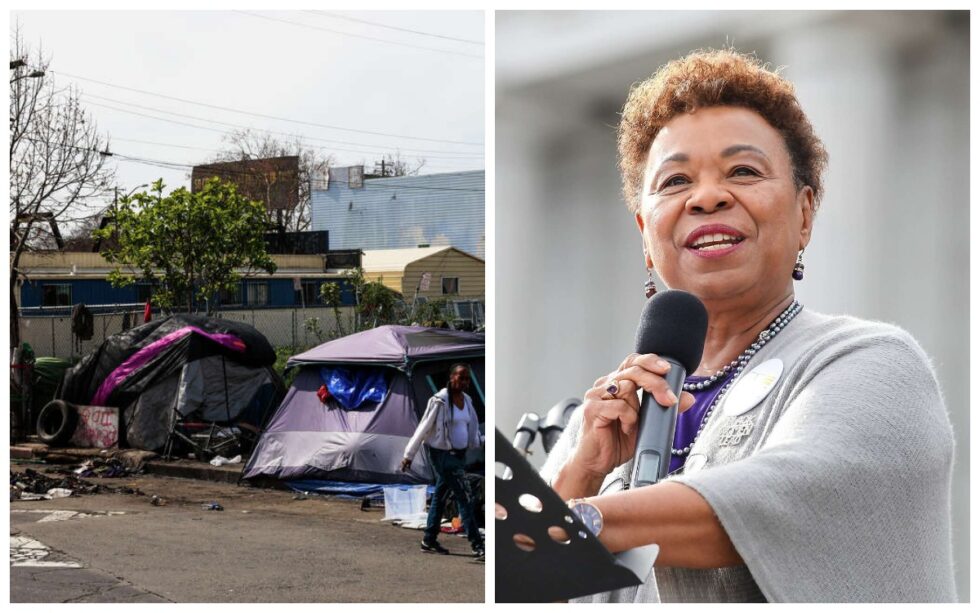
Oakland Mayor Barbara Lee has presented an ambitious strategy aimed at reducing the number of people living on the streets in the California city by half within the next five years, reports San Francisco Newsroom via San Francisco Chronicle. The proposal was introduced as Lee approaches the end of her first year in office and comes as the city continues to struggle with a persistent homelessness crisis.
The scale of the homelessness crisis in Oakland
The plan sets a target that no major city in California has previously achieved: cutting the number of unsheltered residents by 50% within a five-year period. Lee argues that the city’s previous focus on clearing encampments and removing tents from sidewalks, freeway underpasses and other public areas has not reduced homelessness. According to city data, the number of people living without stable housing has continued to increase even as the city expanded enforcement and conducted regular sweeps of camps.
Officials say the main driver behind the rise is the imbalance between people entering homelessness and those who manage to secure housing. Municipal programs currently place roughly 1,500 unhoused residents into housing each year. However, more than 2,500 people become homeless annually in Oakland, meaning the total number of individuals without stable housing continues to grow despite ongoing assistance programs.
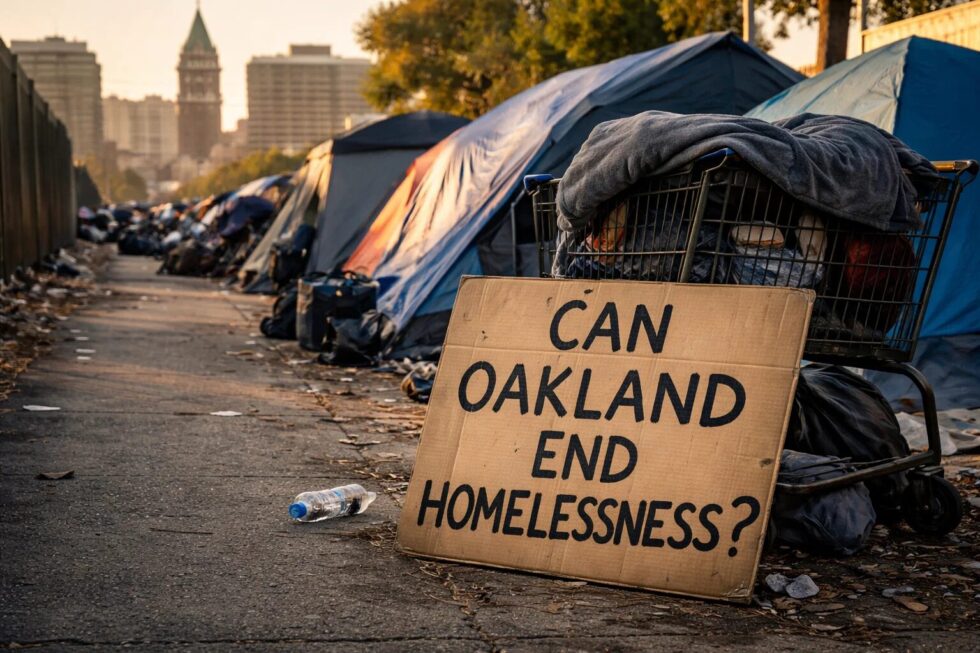
The city currently counts around 5,500 residents experiencing homelessness, including approximately 3,700 who live outside in tents, vehicles or other makeshift arrangements rather than shelters. Public spending on homelessness has increased significantly over the past decade. Oakland now allocates about $120 million annually toward homelessness services and programs, yet the number of unhoused residents rose by about 9% between 2022 and 2024.
Key elements of Barbara Lee’s strategy
Lee’s strategy emphasizes prevention and expanded housing capacity rather than relying primarily on enforcement actions. The administration intends to increase the availability of interim housing, temporary shelter beds and permanent supportive housing units in order to move more people off the streets. The plan includes creating 860 additional interim housing beds and expanding programs that transition people into permanent homes.
City officials also aim to increase the number of residents who are successfully placed into stable housing each year. Under the proposal, Oakland would work to house about 730 additional people annually through expanded housing programs and support services.
Why prevention plays a central role
Experts who study homelessness have long argued that preventing people from becoming homeless in the first place is essential to stabilizing the system. Edie Irons, spokesperson for the regional nonprofit All Home, said the challenge remains that more individuals continue to fall into homelessness than exit it. According to Irons, even successful housing programs cannot reduce the overall numbers if inflow continues to exceed the number of people being rehoused.
The mayor’s strategy also calls for additional outreach teams to connect people living on the streets with services, documents and support programs needed to transition into housing. Officials say the approach includes efforts to identify individuals at risk of eviction or displacement and provide assistance that allows them to remain in their homes.
Funding challenges and future implementation
While the new strategy emphasizes housing solutions and prevention programs, encampment removals will not disappear entirely. City officials say sweeps will still occur in certain areas, though Lee has indicated the city will attempt to manage encampments more systematically while connecting residents with available services.
Implementing the proposal would require a substantial increase in funding. The plan is projected to cost about $406 million annually, which is roughly $284 million more than Oakland currently spends on homelessness programs. City leaders say the additional funding could come from a combination of county allocations tied to Measure W, philanthropic contributions and potentially a new tax measure that would require voter approval.
The proposal has drawn support from many housing advocates who argue that long-term investment in housing and prevention is necessary to address the structural causes of homelessness. At the same time, some residents have expressed frustration over the pace of change and have called for more visible action to remove encampments from public spaces.
City leaders acknowledge that achieving the five-year target will depend on securing new funding sources and successfully coordinating housing construction, social services and regional support systems. Officials say the strategy will require cooperation between local agencies, nonprofit organizations and county and state programs that provide housing assistance.
San Francisco News keeps the city, the Bay Area and the wider world informed with clear, useful reporting on what matters: Bay Lights return to San Francisco-Oakland Bay Bridge in March 2026 after nearly 3 years dark