



Will the Camron-Stanford House Survive? Historic Oakland Victorian Faces a Critical Recovery
The historic Camron-Stanford House in Oakland was damaged in a fire on April 4, 2026. Experts analyze the $1.2M restoration cost, the 1876 history, and the future of Lake Merritt’s last Victorian
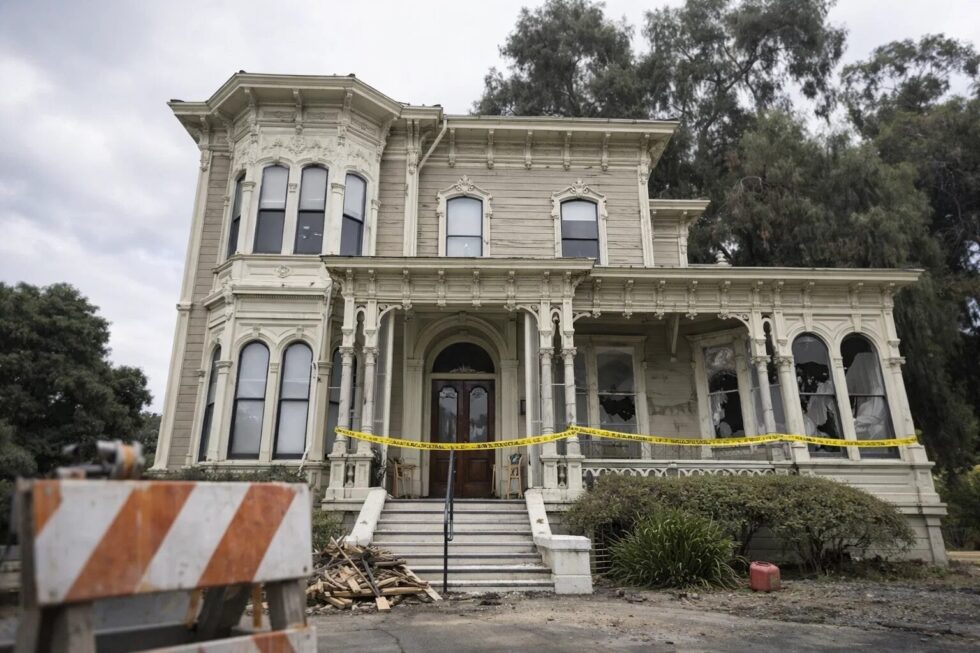
The architectural soul of Oakland, California, faced a devastating trial in the early hours of April 4, 2026, as a fast-moving fire tore through the historic Camron-Stanford House. Located at the edge of Lake Merritt, this 1876 landmark is the sole survivor of the grand Victorian estates that once defined the city’s shoreline, making any damage to its structure a catastrophic loss for American West Coast heritage. For the local community and historians, the blaze represents more than just property damage; it is a threat to the last tangible link to 19th-century Oakland, occurring at a delicate time when the building was already struggling to reopen its doors to the public. The successful containment of the fire by local crews has shifted the conversation from mourning a loss to calculating a complex, multi-million dollar restoration effort that will determine if this National Register site can ever function as a museum again. This is reported by the San Francisco Newsroom, citing the sfgate.
The Midnight Blaze: How Oakland’s First Museum Was Almost Lost
The emergency call triggered a massive response at 12:40 a.m. on Saturday, bringing 28 firefighters to the intersection of 14th Street and Lakeside Drive within a staggering two-minute window. This rapid deployment, led by Battalion Chief Nathan Leal, was the deciding factor in preventing the 150-year-old redwood structure from being reduced to ash. The fire reportedly ignited on the exterior east side of the building—facing the popular Lake Chalet Seafood Bar & Grill—before breaching the Victorian’s envelope and climbing internal wall cavities toward the third floor. By 1:30 a.m., the blaze was fully under control, but the interior suffered significant smoke and water damage, particularly on the eastern wing where the fire was most concentrated.
The architectural anatomy of the house, built during a time of balloon-frame construction, presented unique challenges and unexpected advantages for the fire crews. In many Victorian homes, open vertical channels between studs allow fire to race from the basement to the attic unimpeded; however, the specific design of the Camron-Stanford House allowed firefighters to access these “fire travel avenues” effectively. Because the crews were intimately familiar with the building’s historic importance, they prioritized a “salvage and overlay” tactic, draped precious art and period furniture in protective tarps even as the fire was being fought on the upper levels.
- Fire Start Time: 12:40 a.m., April 4, 2026.
- Response Force: 28 firefighters and multiple specialized engines.
- Arrival Speed: Under 120 seconds from the initial dispatch.
- Control Time: Fully extinguished by 1:30 a.m.
- Primary Damage Zone: East exterior wall, advancing to the third floor.
- Artifact Status: Major art pieces and historic items were successfully salvaged.
- Current Status: Building is secured but closed; the cause is under investigation.
- Construction Material: Old-growth redwood, highly flammable but structurally dense.
Restoration Challenges: Cost, Logistics, and 2026 Building Codes
Restoring a building listed on the National Register of Historic Places in 2026 involves a labyrinth of specialized labor and stringent compliance with the California Historical Building Code (CHBC). Unlike modern repairs, the Camron-Stanford House requires materials that match the original 1876 specifications, such as lath-and-plaster wall finishes and custom-milled Victorian trim. The damage to the third floor is particularly concerning, as the roof structure may have been compromised, requiring structural engineers to assess the load-bearing capacity of the charred timber. Furthermore, the water used to extinguish the fire poses a secondary threat: mold and wood rot, which can set in within 48 hours if high-capacity dehumidification is not immediately implemented.
Experts estimate that the specialized restoration of the east wing and the third-floor interior could exceed $1.2 million, depending on the extent of the smoke damage to the ornate ceiling murals and delicate wallpaper. Because the house has been closed since its lease ended in August 2024, the financial reserves for such a project are likely depleted. Community leaders are already calling for an emergency fund to be established, as the building’s insurance policy—typical for historic non-profits—may not cover the full cost of “period-accurate” reconstruction which often costs 300% more than standard modern construction.
| Restoration Category | Estimated Cost (2026 USD) | Estimated Timeline | Regulatory Requirement |
| Structural Timber Repair | $250,000 – $400,000 | 4 – 6 Months | CHBC Structural Review |
| Art & Furniture Salvage | $150,000 – $200,000 | 2 – 3 Months | Professional Conservator |
| Plaster & Interior Finish | $300,000 – $500,000 | 8 – 12 Months | Historic Plaster Certification |
| Smoke & Soot Remediation | $80,000 – $120,000 | 1 Month | Industrial Hygiene Clearance |
| Roof & Exterior Siding | $120,000 – $180,000 | 3 – 5 Months | National Register Compliance |
The Museum’s Legacy: Why the Camron-Stanford House Matters
Built by Samuel Merritt, the physician and developer for whom the lake is named, the Camron-Stanford House is a textbook example of Italianate Victorian architecture. It served as the private residence of several influential California families—the Camrons, the Stanfords, the Hewes, and the Wrights—before becoming Oakland’s first museum in 1907. For over a century, it housed the Oakland Public Museum, serving as the cultural heart of the city long before the modern Oakland Museum of California (OMCA) was conceived. Its survival through the 1906 and 1989 earthquakes made it a symbol of Oakland’s resilience, a reputation that is now being tested by fire.
The 1972 listing on the National Register of Historic Places provides the building with certain legal protections, but it also complicates the rebuilding process. Every nail, board, and pane of glass must be documented and approved by the State Office of Historic Preservation (SHPO). The fire occurred just as the non-profit board was making strides toward a 2027 grand reopening. Despite the setback, Battalion Chief Leal’s optimistic assessment suggests that the core “bones” of the building remain sound, meaning the house has been granted a second chance—if the city and private donors can mobilize the necessary capital.
- Act Immediately: If you are part of a preservation group, secure “loss assessment” documents from the fire department within 72 hours.
- Mitigate Water Damage: Prioritize professional-grade desiccant dehumidifiers to prevent “wicking” in historic plaster.
- Document Everything: Use high-resolution 3D scanning (LiDAR) of the damaged areas before any debris is removed.
- Consult a Conservator: Do not attempt to clean smoke-damaged oil paintings or textiles with standard chemicals.
- Secure the Perimeter: Historic properties are targets for looting; ensure 24/7 security is onsite until the east wing is sealed.
- Seek Emergency Grants: Apply for the National Trust for Historic Preservation’s emergency fund immediately.
- Review Insurance: Determine if the policy includes “Law and Ordinance” coverage for historic code upgrades.
- Community Engagement: Start a transparent fundraising campaign that highlights the “last of its kind” status of the home.
The Investigation: Potential Causes and Urban Vulnerability
While the Oakland Fire Department’s arson investigators have not yet released a formal cause, the origin of the fire on the building’s exterior raises significant questions about urban safety and historic site security. In 2026, many historic buildings in high-density areas like Lake Merritt face increased risks from electrical faults in aging exterior lighting, proximity to high-traffic restaurant areas like Lake Chalet, and potential human interference. Because the house was currently unoccupied and undergoing efforts to reopen, its exterior security may have been less robust than during its peak museum operation years.
The “east side” origin point is particularly telling; this side of the house is often shaded and less visible from the main Lakeside Drive thoroughfare. Investigators will be reviewing footage from nearby businesses and city-operated cameras to determine if the ignition was accidental—perhaps a discarded smoking material or an electrical short—oder deliberate. This incident serves as a wake-up call for other historic properties in the Bay Area: 19th-century wood is essentially “kiln-dried” by time, making it exceptionally susceptible to external heat sources. Upgrading to flame-retardant exterior treatments and advanced heat-sensing cameras is no longer optional for such irreplaceable assets.
- Investigative Focus: CCTV footage from Lake Chalet Seafood Bar & Grill and 14th Street.
- Structural Risk: Exterior wood rot can sometimes hide smoldering embers, leading to rekindling.
- Urban Proximity: The distance between modern commercial kitchens and 1876 wood structures.
- Security Gaps: Vulnerabilities of non-operational historic sites during nighttime hours.
- Prevention Strategy: Installation of “Linear Heat Detection” cables along historic eaves.
- Legal Implications: Potential liability if the fire is traced back to faulty municipal or commercial infrastructure.
- Zoning Impact: How 2026 fire safety ordinances affect the rebuilding of “grandfathered” historic sites.
- Public Safety: Ensuring the surrounding park area remains safe during the structural stabilization phase.
Future Outlook: Reopening Hopes and Civil Society
The path forward for the Camron-Stanford House is fraught with bureaucracy and financial hurdles, but the spirit of Oakland’s preservation community is undeterred. Since the cessation of its public operations in 2024, the house has sat as a silent sentinel on the lake, a reminder of a more opulent, slower-paced era. The 2026 fire has paradoxically brought the house back into the public eye, potentially providing the “relevance spark” needed to secure the funding for its full restoration and reopening. Civil society organizations and local schools have already begun organizing “history walks” around the perimeter to keep public interest alive while the interior is off-limits.
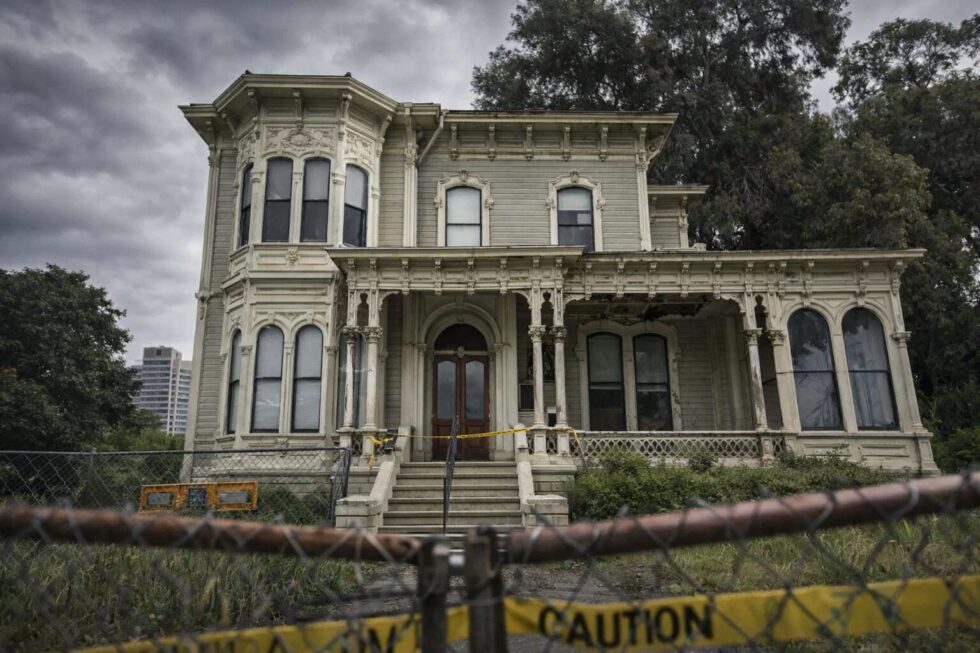
Battalion Chief Leal’s statement that the “building should be able to get back into operation” provides a professional glimmer of hope. However, the transition from a “salvaged shell” to a “functional museum” requires more than just structural repairs. It requires a rethink of how historic sites can coexist with modern urban threats. The goal for 2026 and 2027 will be to integrate 21st-century fire suppression systems—such as mist-based extinguishers that minimize water damage—into the 1876 architecture without ruining the aesthetic integrity that earned it a spot on the National Register.
Frequently Asked Questions
Is the Camron-Stanford House open to the public right now?
No. The house had already been closed since late 2024 following the end of its lease, and the fire damage has rendered it unsafe for visitors until major structural repairs are completed.
What was the most significant item saved from the fire?
While a full inventory is pending, fire crews successfully salvaged the bulk of the period-accurate Victorian art collection and furniture by using protective covers during the firefighting operation.
How can the public help with the restoration?
Supporters can donate to the Camron-Stanford House Preservation Association. Public advocacy for city-backed emergency grants is also crucial for meeting the $1.2 million restoration estimate.
Why did the fire spread so quickly to the third floor?
The house uses Victorian “balloon framing,” which creates vertical air pockets inside the walls. These channels act like chimneys, allowing fire to travel rapidly from lower levels to the attic.
Will the building lose its National Register status due to the damage?
Unlikely. As long as the restoration follows the Secretary of the Interior’s Standards for the Treatment of Historic Properties, the building’s historic integrity and National Register status will be maintained.
What is the estimated timeline for the house to reopen?
Given the complexity of historic restoration and the current 2026 economic environment, experts suggest a realistic reopening date would be mid-to-late 2027.
San Francisco News keeps the city, the Bay Area and the wider world informed with clear, useful reporting on what matters: San Francisco’s Asian Law Caucus 2026: Why is the Birthright Citizenship Supreme Court Case Decisive