



San Francisco Dim Sum Guide 2026: Where to Find the Best Dumplings, Buns, and Tea Houses Now
Discover the best dim sum in San Francisco 2026. Expert guide to top tea houses in Chinatown & Richmond, pricing trends, and pro ordering tips. Navigate the SF dumpling scene now
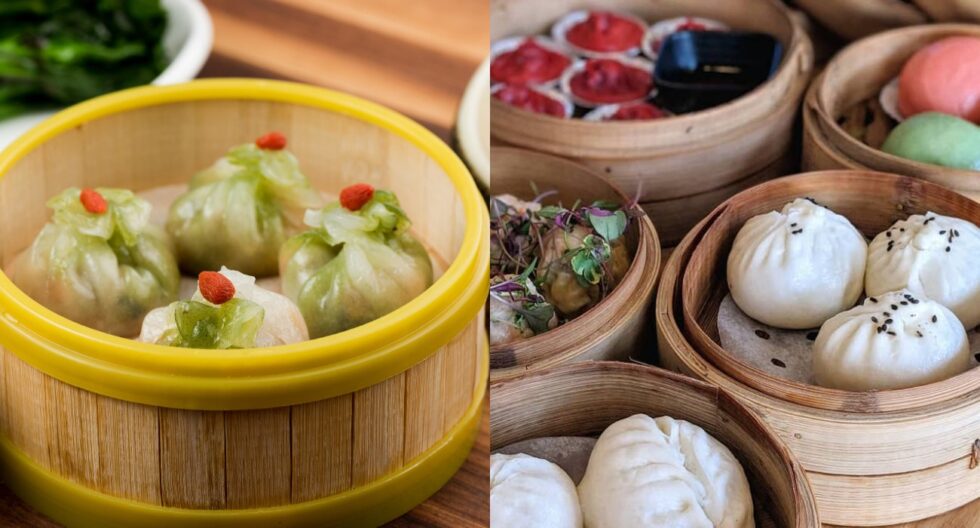
The culinary landscape of San Francisco in April 2026 is witnessing a sophisticated revival of the dim sum tradition, moving beyond simple brunch to a high-stakes arena of artisanal craft and regional specialization. Across the city’s historic Chinatown, the bustling Richmond District, and the modern waterfront of the Embarcadero, legendary establishments and bold newcomers are redefining “touching the heart” with ethically sourced ingredients and hyper-specific Cantonese techniques.
For the local diner and the culinary tourist, this evolution means access to unprecedented quality, ranging from traditional push-cart nostalgia to Michelin-caliber molecular dumplings that reflect the city’s status as a global gastronomic capital. Understanding where to navigate this dense market is essential for anyone seeking the authentic soul of San Francisco’s food culture while avoiding overpriced tourist traps and long-standing institutions that may have rested on their laurels. This is reported by the San Francisco Newsroom, citing the sfstandard.
The Evolution of the Dim Sum Experience: Traditional Carts vs. Modern Refinement
In 2026, the primary conflict in the San Francisco dim sum scene is the balance between the nostalgic charm of the traditional push-cart and the precision of modern made-to-order kitchens. While the iconic image of stainless steel carts rattling through crowded dining rooms remains a cultural hallmark in older Chinatown venues, modern health regulations and a demand for fresher textures have pushed many top-tier restaurants toward a hybrid model.
The current trend prioritizes “active steaming,” where delicate items like Har Gow (shrimp dumplings) are prepared in small batches to prevent the dreaded “steamer skin” that occurs when carts circulate for too long. Experts agree that the modern diner now expects the theatricality of the cart but the quality of a private chef, leading to a surge in open-concept kitchens where patrons can witness the intricate folding process. This shift has not only improved food safety standards but has also elevated the skill level required for back-of-house staff, making San Francisco a magnet for master dim sum chefs from Hong Kong and Guangzhou.
| Restaurant Type | Best For | Typical Wait Time | Price Per Person (2026) | Signature Style |
| Traditional Cart | Atmosphere & Groups | 45–90 Minutes | $25 – $40 | High-volume, classic recipes |
| Boutique / Modern | Quality & Innovation | 20–60 Minutes | $45 – $75 | Truffle-infused, organic |
| Takeout Window | Speed & Value | 5–15 Minutes | $12 – $20 | Pork buns, siu mai boxes |
| Michelin-Rated | Special Occasions | Reservations Required | $80 – $150 | Degustation, wine pairing |
| Regional Specialist | Authenticity | 30–45 Minutes | $30 – $55 | Specific provinces (e.g., Shunde) |
Essential Standards for Quality: Identifying Master-Level Har Gow and Siu Mai
Discerning the difference between a mass-produced frozen dumpling and an artisanal masterpiece requires an understanding of the “golden rules” of dim sum physics as established by San Francisco’s elite guild of chefs. For the classic Har Gow, the translucent skin must possess at least 10 to 12 pleats—a technical benchmark that ensures the wrapper is thin enough to see the pink shrimp but strong enough to hold with chopsticks.
The shrimp itself must be “snappy” (the result of a precise alkaline wash), never mushy, and devoid of heavy fillers like bamboo shoots or excessive cornstarch. Similarly, a master-grade Siu Mai (pork and shrimp dumpling) in 2026 avoids the greasy, dense texture found in lower-quality establishments, opting instead for hand-chopped pork shoulder that retains its moisture and structure. Diners should observe the “glow” of the dumpling; a dull or gray appearance usually indicates old stock, whereas a vibrant, glistening surface suggests a fresh steam.
- Skin Transparency: Wrappers should be translucent but not sticky; if the dumpling breaks easily, the starch ratio is incorrect.
- Pleat Count: High-end chefs aim for 12+ pleats in Har Gow to demonstrate manual dexterity and structural integrity.
- Filling Texture: Look for chunks of whole shrimp and hand-cut pork rather than a homogeneous paste or “pink slime.”
- Aromatic Balance: The scent should be of fresh ginger and sesame oil, not heavy MSG or stale fryer oil.
- Temperature: Dim sum must be served piping hot; anything lukewarm has lost its textural appeal and safety profile.
Navigating the Geography: The Best Neighborhoods for Authentic Flavors
The geographic distribution of dim sum in San Francisco has shifted significantly by 2026, with the “New Chinatown” of the Richmond and Sunset Districts now rivaling the historic center for technical supremacy. While Grant Avenue and Stockton Street remain the ceremonial heart of the tradition, the Inner Richmond (Clement Street) has become the destination for those seeking a more local, less commercialized experience where families gather for multi-generational Sunday tea.
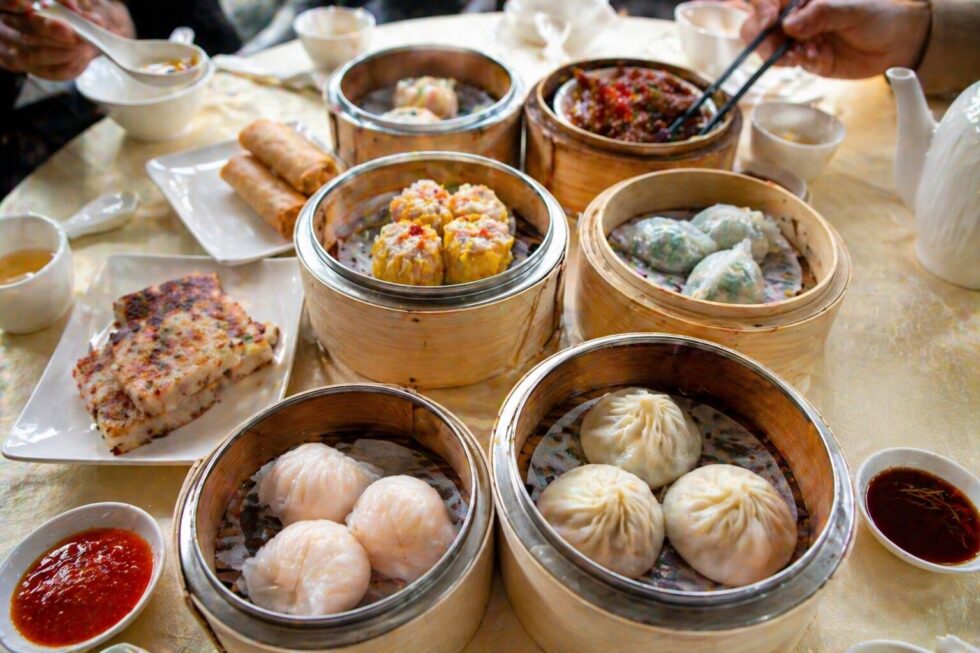
The Financial District and Embarcadero have also carved out a niche for “Executive Dim Sum,” where business lunches revolve around high-end ingredients like Wagyu beef and Maine lobster in traditional wrappers. For the traveler, navigating these neighborhoods requires a strategy based on the time of day: Chinatown is best for early morning tea (7 AM – 10 AM), while the Western Addition and Sunset Districts excel in the peak brunch hours (11 AM – 2 PM). Each neighborhood offers a distinct flavor profile, from the classic, salt-forward Cantonese of the old guard to the fusion-influenced, health-conscious palettes of the city’s younger tech-centric corridors.
- Chinatown (The Core): Visit for the historical ambiance and legacy bakeries that have operated for over 50 years.
- Inner Richmond (Clement St): The highest density of “local favorite” spots with competitive pricing and authentic crowds.
- Sunset District (Irving St): Known for larger dining rooms and exceptional value-to-quality ratios for large families.
- Embarcadero/SOMA: The place for high-concept, expensive dim sum featuring premium seafood and cocktail pairings.
- Excelsior/Outer Mission: Rising stars in the scene offering “hole-in-the-wall” gems that focus on traditional home-style recipes.
Economic Trends and Pricing: What to Expect at the Register in 2026
Economic pressures in 2026, including rising labor costs and the “California Food Transparency Act,” have led to a more standardized but higher pricing structure across the city’s tea houses. A typical “Small” plate now averages between $6.50 and $8.50, while “Specialty” items like Cheong Fun (rice noodle rolls) or XLB (soup dumplings) can range from $12.00 to $18.00 depending on the filling.
Many top-tier restaurants have also moved toward a “service inclusive” model to provide living wages for their specialized dumpling makers, meaning the price on the menu often reflects the final cost without the need for additional 20% tips. Consumers should also be aware of the “Tea Charge” (Yam Cha), which is a mandatory per-person fee ranging from $2.00 to $5.00 that covers the cost of premium loose-leaf tea and the tradition of communal dining. Understanding these costs upfront prevents “bill shock” and allows diners to budget for a variety of plates, which is the essence of the dim sum experience.
- Average Cost Per Head: Budget $45 for a mid-range meal; $75+ for premium locations with alcohol.
- The “Tea Tax”: Expect a per-person charge for tea service; this is standard and culturally significant.
- Sizing Tiers: Most menus still use Small (S), Medium (M), Large (L), and Extra Large (XL) to denote price tiers.
- Cash vs. Card: While 90% of SF spots take cards in 2026, small Chinatown bakeries still prefer cash for small orders.
- Peak Pricing: Some venues apply a 10% “Weekend Surcharge” to manage the extreme demand during Saturday and Sunday brunch.
Strategic Dining: Tips for Securing a Table and Ordering Like a Pro
To maximize the dim sum experience in a high-demand city like San Francisco, one must employ tactical maneuvers that go beyond simply showing up at noon. The most seasoned diners arrive either at the “First Steam” (immediately upon opening) or during the “Lull” (between 1:30 PM and 2:30 PM) to avoid the chaotic crowds and ensure the kitchen isn’t overwhelmed.
When ordering, it is considered best practice to request a mix of three categories: Steamed (Har Gow, Siu Mai), Fried/Baked (Pork Puffs, Spring Rolls), and Substantial (Rice Rolls, Porridge). Additionally, always check the “Chef’s Specials” board, as many 2026 kitchens use seasonal California produce—like Dungeness crab in the winter or asparagus in the spring—to create limited-edition dumplings. If a restaurant uses the cart system, do not feel pressured to take everything that passes; wait for the items that look fresh and have visible steam rising from the baskets.
- The “Finger Tap”: When someone pours tea for you, tap two fingers on the table as a silent “thank you” to show cultural awareness.
- Lid Position: If you need more hot water for your teapot, flip the lid upside down or leave it slightly ajar; servers will see this signal immediately.
- Order in Waves: Don’t order 20 dishes at once; order 4-5 at a time to ensure everything stays hot and you don’t over-order.
- Communal Etiquette: Use the “public chopsticks” (serving utensils) to move food to your plate, rather than your personal ones.
- Sauce Customization: Most SF tables provide soy sauce, chili oil, and hot mustard; mix them in a small dish to your preferred spice level.
Health, Sustainability, and Dietary Restrictions in the Modern Tea House
The 2026 dim sum scene has made massive strides in inclusivity, with many San Francisco kitchens now offering dedicated gluten-free and vegan menus that don’t sacrifice the traditional “umami” profile. Legislative changes in San Francisco now require restaurants to disclose the use of MSG, though many modern chefs have replaced it with natural flavor enhancers like dried scallops (conpoy) or mushroom powder.
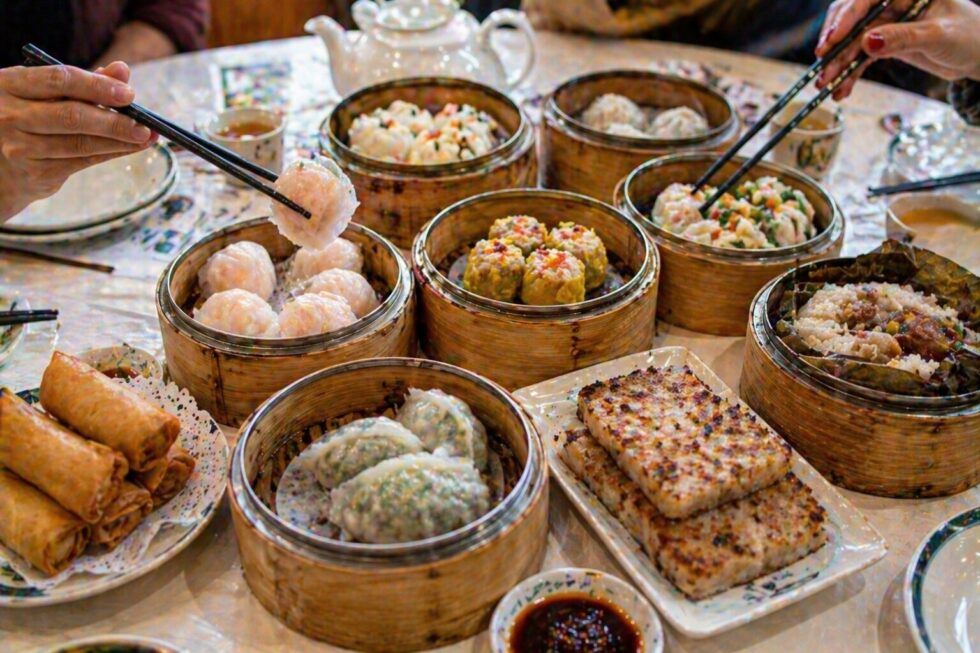
Furthermore, the “Sustainable Seafood Initiative” has led many top restaurants to source only traceable, non-endangered shrimp and fish, which is reflected in the slightly higher prices but superior taste profiles. For those with gluten sensitivities, look for “rice-flour based” wrappers (Cheong Fun) rather than wheat-starch (Har Gow), and always confirm with the staff regarding cross-contamination in the fryers. This new era of transparency ensures that the dim sum tradition remains viable and safe for a broader range of diners with modern health concerns.
- Vegan Options: Look for “Mushroom Bun” (steamed) or “Taro Dumplings” which are naturally plant-based.
- Gluten-Free Awareness: Stick to rice noodle rolls (Cheong Fun) and turnip cakes; avoid anything with a doughy wheat wrapper.
- MSG Transparency: Most SF spots now use “Natural Umami” ingredients; ask for the “Clean Label” menu if available.
- Allergen Coding: Menus in 2026 are increasingly color-coded for shellfish, nuts, and soy for quick identification.
- Sustainability Labels: Top-tier spots like Harborview and Dragon Beaux often list their seafood sources on the menu.
The State of the San Francisco Dim Sum Scene in 2026
San Francisco’s dim sum culture remains a vital, breathing organism that successfully bridges the gap between ancient Cantonese heritage and 21st-century culinary innovation. Whether you are standing in a rain-slicked line in the Richmond District for a $5 box of pork buns or sitting in a plush leather booth in SOMA with a $100 tasting menu, the core values remains the same: family, community, and the pursuit of the perfect bite.
The 2026 landscape rewards those who do their research, arrive early, and respect the cultural nuances of “Yam Cha.” By focusing on technical execution, neighborhood authenticity, and economic transparency, diners can navigate this complex scene with confidence, ensuring every meal is a meaningful connection to one of the world’s greatest food cities. As the industry continues to professionalize and adapt to new environmental and labor standards, the “heart-touching” tradition of dim sum is more robust and exciting than ever before.
Frequently Asked Questions
What is the best time to go for dim sum in San Francisco to avoid long lines?
In 2026, the “sweet spot” is weekdays at 10:30 AM or weekends before 9:30 AM. After 11:00 AM on Saturday and Sunday, wait times at popular spots like Yank Sing or Dragon Beaux can exceed two hours.
Are reservations common for dim sum restaurants?
High-end and modern dim sum houses (like State Bird Provisions or Harborview) definitely require reservations via apps like Resy or OpenTable. Traditional Chinatown spots are almost exclusively walk-in only.
Is dim sum in San Francisco vegetarian-friendly?
Yes, increasingly so. Most restaurants now offer a “Vegetarian/Vegan” section featuring bean curd skins, pea shoots, and mushroom-based dumplings, though you should always ask about oyster sauce or lard.
What is the “yam cha” tradition exactly?
“Yam cha” literally means “drink tea.” The food (dim sum) is meant to be an accompaniment to the tea. In SF, the quality of the tea service is often as important to locals as the quality of the dumplings.
How much should I tip for dim sum in San Francisco in 2026?
Check your bill first; many restaurants have moved to a 18-20% “Service Charge” included in the price. If not included, the standard SF rate remains 20% for good service.
San Francisco News keeps the city, the Bay Area and the wider world informed with clear, useful reporting on what matters: Turner’s Kitchen: SF Mission Deli with House of Prime Rib & In-N-Out Inspired Artisanal Sandwiches