



Café Bolita: The Evolution of Berkeley’s Heirloom Corn Destination into a Full-Service Restaurant
Discover how Berkeley’s Café Bolita is redefining Mexican cuisine in 2026 through heirloom corn, artisanal nixtamalization, and a new full-service restaurant experience
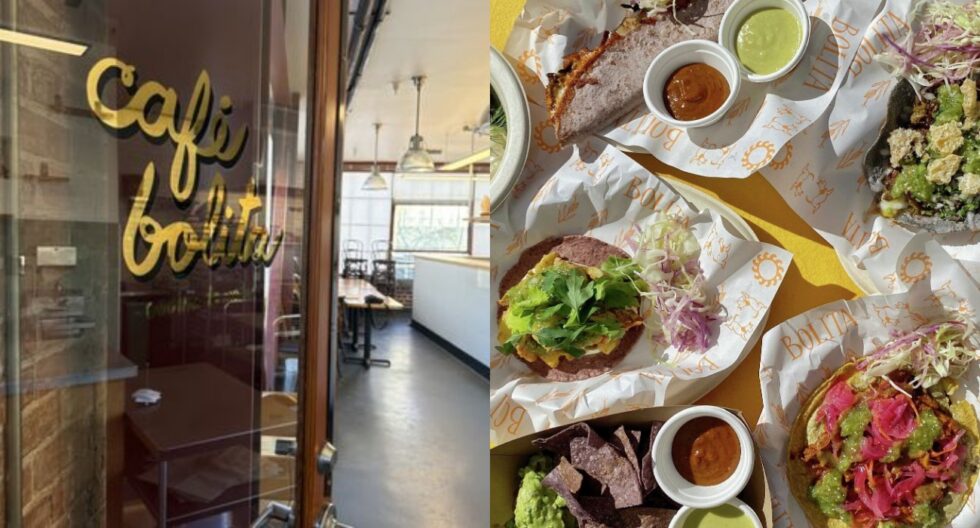
The San Francisco Bay Area food scene is witnessing a significant transformation as Berkeley’s beloved masa-centric pop-up, Café Bolita, transitions into a permanent, full-service Mexican restaurant. This move occurs at a time when diners are increasingly seeking authenticity and agricultural transparency, placing Berkeley at the center of a regional movement toward heirloom grain preservation.
For the local community and food enthusiasts, this development signifies more than just a new dining spot; it represents the stabilization of a supply chain for rare Mexican corn varieties and the creation of a permanent cultural hub. The shift from a small-scale operation to a comprehensive dining establishment reflects the growing economic viability of traditional nixtamalization techniques in a modern urban setting, reports San Francisco Newsroom with reference to sfchronicle.
The Vision of Chef Eddi Vasquez: Rooting Heirloom Flavors in Berkeley
Chef Eddi Vasquez has built Café Bolita on the foundational belief that corn is not merely a side dish but a complex, essential ingredient with as much terroir as wine. His journey began with popular pop-ups that garnered a cult following for their rich, aromatic tortillas and tamales crafted from non-GMO heirloom kernels. The transition to a full-service space allows Vasquez to experiment with long-form cooking techniques that were previously impossible in a temporary kitchen setup.
By securing a permanent location, the chef is now able to foster direct relationships with small-scale farmers in Oaxaca and other regions, ensuring a consistent flow of rare landrace corn. This expansion is a testament to the success of his mission to elevate Mexican “antojitos” to a level of fine-dining scrutiny while maintaining a casual, community-focused atmosphere.
Key Milestones in the Café Bolita Journey:
- Pop-up Origins: Started as a limited-run operation focused on fresh masa and simple fillings.
- Community Funding: Leveraged strong local support and recognition to fuel the transition to a brick-and-mortar space.
- Menu Expansion: Moving beyond basic items to include complex moles, braised meats, and seasonal vegetable preparations.
- Agricultural Preservation: Solidified partnerships with Mexican collectives to import blue, red, and yellow heirloom corn.
- Berkeley Integration: Choosing a neighborhood that values sustainability and artisanal production.
The Nixtamalization Process: Why Heirloom Corn Matters for 2026
At the heart of the new restaurant is the ancient process of nixtamalization, where corn is soaked and cooked in an alkaline solution to unlock its nutritional potential and distinct flavor profile. Unlike industrial corn flour, which is often stripped of its oils and character, the masa at Café Bolita is ground fresh daily using volcanic stones. This commitment to process results in a texture and aroma that is incomparable to mass-produced alternatives, offering diners a “living” food experience.
In 2026, as consumers become more wary of highly processed foods, this return to ancestral methods provides both a health benefit and a superior culinary outcome. The presence of a full-scale mill in the restaurant serves as a visual and olfactory reminder of the labor-intensive nature of authentic Mexican cuisine.
| Feature | Industrial Corn Flour | Heirloom Masa (Café Bolita) | Impact on Consumer |
| Nutritional Profile | Low niacin, high processing | High bioavailable nutrients | Better digestion and health |
| Flavor Profile | Neutral, flat | Nutty, earthy, diverse | Premium sensory experience |
| Source | Commodity monocrops | Small-batch landrace corn | Supports biodiversity |
| Texture | Uniform, dry | Pliable, moist, aromatic | Authentic mouthfeel |
| Preservatives | Often contains additives | 100% natural ingredients | Clean label transparency |
Berkeley’s Changing Dining Landscape and Economic Viability
The opening of a full-service restaurant in Berkeley involves navigating a complex landscape of rising labor costs and strict environmental regulations. Café Bolita’s business model relies on a “high-value/high-quality” approach, where the uniqueness of the product justifies the higher price point associated with artisanal labor.
By expanding into a full-service format, the restaurant can leverage beverage programs—including curated mezcals and Mexican wines—to bolster margins that are often thin on food alone. This economic strategy is essential for survival in the 2026 Bay Area market, where diners are willing to pay for transparency and ethical sourcing. The establishment also creates professional-grade jobs for kitchen staff trained in specialized nixtamalization techniques.
Operational Strategic Priorities:
- Beverage Integration: Offering specialty drinks that complement the earthy notes of heirloom corn.
- Sustainable Logistics: Streamlining the importation of corn to reduce carbon footprints and shipping costs.
- Service Efficiency: Implementing modern POS systems to manage the transition from counter-service roots to table service.
- Community Engagement: Hosting workshops on masa-making to educate the public and drive brand loyalty.
- Seasonal Adaptability: Rotating the menu based on the availability of California produce and Mexican harvests.
Menu Innovations: Exploring Regional Mexican Antojitos
The full-service kitchen at Café Bolita allows for a much broader exploration of Mexican regional specialties that were previously restricted by space. Diners can expect to find items like tlayudas from Oaxaca, tetelas from the Mixteca region, and seasonal tamales wrapped in fresh husks or banana leaves. Each dish is designed to highlight the specific corn variety used in the masa, with fillings that provide a balanced acidity or spice to cut through the richness of the grain.
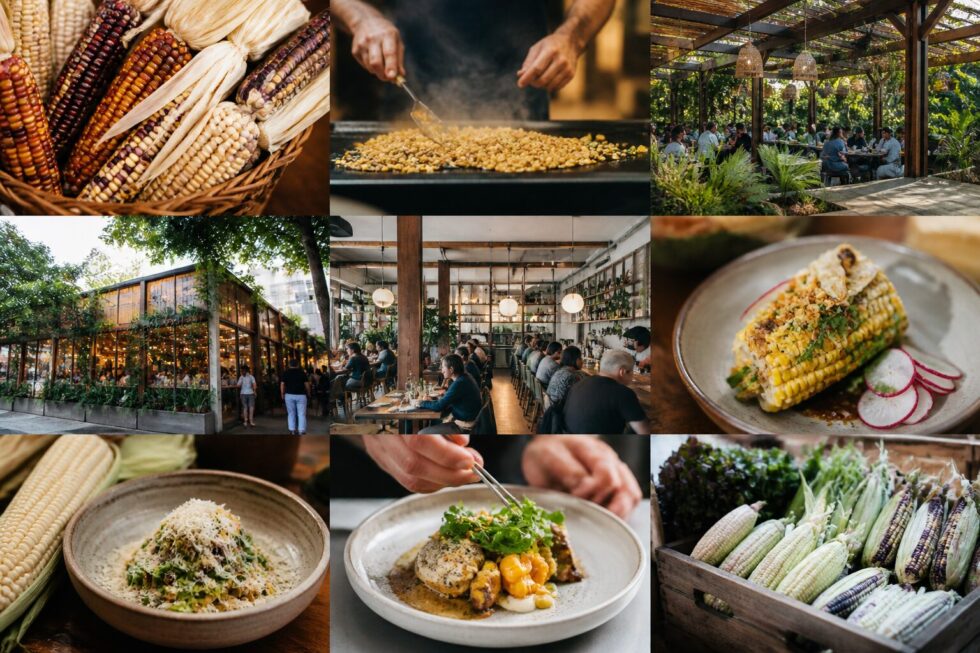
The inclusion of more complex proteins—such as slow-cooked lamb or duck carnitas—elevates the dining experience from a quick snack to a multi-course meal. Furthermore, the vegetable-forward approach ensures that the restaurant remains accessible to Berkeley’s large vegetarian and vegan population.
Anticipated Menu Highlights for 2026:
- Mole Flights: A selection of moles (black, red, and yellow) served with fresh, hand-pressed tortillas.
- Heirloom Tetelas: Triangular masa pockets filled with black bean purée and local goat cheese.
- Coastal Aguachiles: Fresh seafood prepared with vibrant citrus and chilies to contrast the earthy masa.
- Masa-based Desserts: Innovative sweets like corn-husk smoked flan or nixtamalized fruit tarts.
- Regional Salsas: A rotating bar of salsas featuring rare dried chilies sourced directly from Mexican markets.
Sourcing and Sustainability: The Global Impact of Local Decisions
By prioritizing landrace corn, Café Bolita plays a small but significant role in the global fight against the homogenization of agriculture. These rare corn varieties are naturally more resilient to climate fluctuations than industrial monocrops, making them vital for future food security. The restaurant’s sourcing model provides a stable income for Oaxacan farmers who might otherwise be forced to switch to commodity crops or abandon farming entirely.
In 2026, this ethical supply chain is a major draw for the “conscious consumer” who views dining as a form of activism. The restaurant also implements zero-waste practices, such as using leftover corn husks for steaming and repurposing excess masa into crackers or snacks.
Sustainability Practices in Action:
- Biodiversity Support: Active purchasing of at least six different varieties of landrace corn annually.
- Fair Trade Pricing: Paying above-market rates to ensure the longevity of small-scale Mexican farms.
- Water Conservation: Using filtered water systems for the nixtamalization process to reduce waste.
- Composting Program: Diverting 100% of organic kitchen waste to local Berkeley composting facilities.
- Reusable Packaging: Implementing eco-friendly containers for the take-out portion of the business.
Design and Atmosphere: Creating a Cultural Portal in Berkeley
The interior design of the new Café Bolita is intended to reflect the warmth and vibrancy of a Mexican “fonda” while fitting into the modern Berkeley aesthetic. Natural materials like wood, clay, and stone dominate the space, echoing the elemental nature of the food being served.
The open-plan kitchen allows guests to see the masa being pressed and the tortillas puffing on the comal, creating a multisensory dining experience. Music and lighting are carefully curated to transition from a bright, airy lunch spot to an intimate, sophisticated evening destination. This atmosphere is crucial for establishing the restaurant as a third space—a place where community members can gather to share stories and culture.
Atmospheric Elements of the New Space:
- Open Comal Station: Providing a front-row seat to the artisanal tortilla-making process.
- Artisanal Decor: Using pottery and textiles sourced from the same regions as the corn.
- Flexible Seating: Offering both communal tables for social interaction and intimate nooks for private dining.
- Natural Lighting: Large windows that connect the interior space with the vibrant Berkeley streetscape.
- Acoustic Comfort: Designed to allow for lively conversation without overwhelming noise levels.
Expert Advice: Navigating the Heirloom Corn Experience
For those new to the world of heirloom masa, experts recommend starting with the simplest dishes to truly appreciate the flavor of the corn. A plain tortilla or a simple bean-filled tetela allows the subtle notes of smoke, nut, and earth to shine through without being masked by heavy sauces. It is also helpful to ask the server about the specific variety of corn being used that day, as a blue bolita will have a different texture and sweetness compared to a yellow chalqueño.
Diners are encouraged to pair their meals with traditional Mexican beverages like tepache or atole to enhance the cultural immersion. Finally, visiting during off-peak hours can provide a better opportunity to speak with the staff about the sourcing and history behind each dish.
Practical Tips for Diners:
- Start Simple: Order a side of tortillas to taste the pure nixtamalized flavor.
- Ask About Varieties: Inquire about the “corn of the day” to understand the seasonal rotation.
- Explore the Drinks: Don’t overlook the non-alcoholic fermented beverages for a unique pairing.
- Book Ahead: As a highly anticipated opening, reservations are recommended for evening service.
- Respect the Process: Understand that handmade tortillas take more time than machine-pressed ones.
Frequently Asked Questions
What makes Café Bolita different from a standard Mexican restaurant?
The primary difference is the focus on heirloom, non-GMO landrace corn and the traditional nixtamalization process performed on-site daily.
Is the menu suitable for vegetarians?
Yes, the restaurant emphasizes vegetable-forward dishes and offers many traditional masa items that are naturally meat-free.
Where does the corn come from?
The corn is sourced directly from small-scale farmers and agricultural collectives in Mexico, specifically focusing on the Oaxaca region.
Can I buy fresh masa to take home?
The restaurant typically maintains a retail component where customers can purchase fresh masa and tortillas for home use.
Does the restaurant take reservations?
While lunch is often counter-service/walk-in, the full-service dinner program generally accepts and encourages reservations.
Is heirloom corn healthier than regular corn?
Yes, heirloom varieties often have a more diverse nutrient profile, and the nixtamalization process makes those nutrients more bioavailable.
San Francisco News keeps the city, the Bay Area and the wider world informed with clear, useful reporting on what matters: How San Diego’s New Parking Rules are Decimating Balboa Park Cultural Tourism in 2026