



Best Brunch Events and Pop-Ups in San Francisco This May: Where the City Is Actually Eating
Best brunch events and pop-ups in San Francisco this May include drag brunches, chef collabs, rooftop breakfasts, pastry launches and Mission District food weekends with live music.
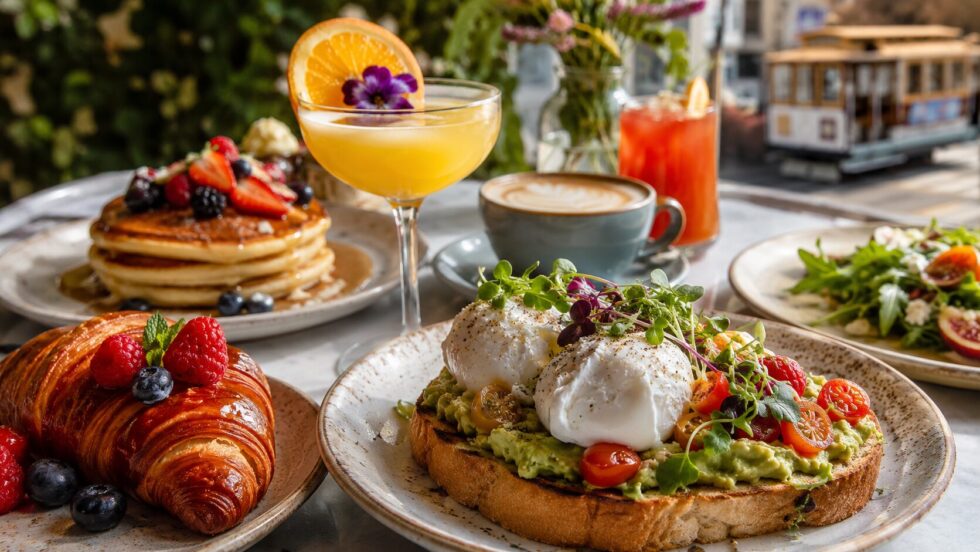
Best brunch events and pop-ups in San Francisco are becoming one of the city’s strongest post-pandemic hospitality trends as restaurants, pastry chefs, rooftop venues and independent food collectives increasingly rely on limited brunch formats, ticketed daytime experiences and neighborhood collaborations to attract both locals and visitors. Across the Mission District, SoMa, North Beach, Union Square and waterfront areas, restaurants are mixing brunch with live DJs, wine tastings, drag shows, pastry launches and chef residencies as daytime dining replaces parts of the city’s older late-night economy. In recent weeks, San Francisco has also seen a new wave of bakery openings, outdoor culinary activations and hybrid brunch events connected to music festivals, cultural weekends and tourism traffic, while operators continue competing for weekend spending during a period of cautious restaurant recovery, The WP Times reports in the middle of ongoing shifts across California’s hospitality sector.
What makes this year different is the scale of experimentation. Pop-up brunches are no longer limited to Instagram-focused concepts or temporary food trucks. Many venues now use brunch to test future restaurant concepts, attract sponsorships, launch seasonal menus and create recurring daytime communities around music, wellness, queer nightlife, Asian-American food culture and Latin-inspired dining. The result is a brunch market that feels less predictable than before: Michelin-trained pastry chefs appear at coffee counters for one weekend only, DJs perform inside bakery courtyards before noon, and rooftops once associated with nightlife now depend heavily on daytime reservations. Several events are also benefiting from the broader tourism effect created by Bay Area festivals and Memorial Day travel activity.
Why brunch culture in San Francisco is changing again
San Francisco’s brunch economy is increasingly shaped by three parallel forces: tourism recovery, hybrid social events and the financial pressure facing independent restaurants. Operators are no longer treating brunch simply as a breakfast extension. Instead, it has become one of the city’s most profitable hospitality windows because alcohol margins, outdoor seating turnover and event ticketing work especially well during weekends. Neighborhoods such as the Mission, Hayes Valley and SoMa now compete aggressively for daytime foot traffic that previously flowed toward nightlife districts.
The growth of themed brunches is particularly visible among younger Bay Area audiences and visiting tech workers. Venues increasingly combine brunch with performances, DJs, drag culture, vinyl sessions, coffee collaborations and temporary chef takeovers. This format allows restaurants to refresh audiences without redesigning their entire concept. In practical terms, brunch has become a low-risk experimental laboratory for hospitality businesses facing high rents and staffing costs.
A second trend is the rise of bakery-centered brunch culture. Several pastry operators that started through farmers markets are now opening permanent storefronts or launching rotating weekend brunch menus. One of the clearest examples this month is Saltwater Bakeshop in SoMa, where early crowds formed shortly after opening because of limited pastry production and strong social-media demand.
Meanwhile, outdoor brunch formats remain crucial in San Francisco because operators continue prioritizing patios, rooftops and flexible seating structures introduced during earlier pandemic-era regulations. Union Square rooftops, Mission courtyards and waterfront plazas now host some of the city’s most commercially successful brunch events.
Neighborhoods seeing the biggest brunch growth
| Neighborhood | Main Brunch Trend | Typical Audience |
|---|---|---|
| Mission District | Latin brunches, DJs, outdoor patios | Younger locals, tourists |
| SoMa | Bakery pop-ups, chef collabs | Tech workers, creatives |
| Union Square | Drag brunches, rooftop events | Visitors, groups |
| North Beach | Themed brunches, Italian menus | Weekend tourists |
| Dogpatch & Mission Bay | Food truck brunches | Families, younger professionals |
The strongest demand currently appears around experiential brunches rather than classic hotel buffets. Consumers increasingly book events that combine food with entertainment or exclusivity.
Rooftop drag brunches are becoming major weekend attractions
Among the most visible brunch formats in San Francisco this May are rooftop drag brunches, particularly around Union Square and downtown hospitality zones. One of the city’s best-known recurring formats remains “Sundays Are a Drag” at 620 Jones, where brunch service combines outdoor seating, cocktails, DJs and rotating drag performers across extended afternoon sessions.
The venue reflects a broader pattern inside San Francisco hospitality: nightlife programming is increasingly moving into daytime hours because brunch audiences spend longer periods on-site and are more likely to book group reservations. Restaurants report especially high demand from birthdays, conference visitors, bachelorette parties and Pride-related tourism. Several brunch operators now structure entire Sunday revenue models around ticketed entertainment rather than traditional food service.
The timing is also important. San Francisco’s spring tourism calendar creates unusually dense weekend traffic between Bay to Breakers, Memorial Day events, Napa Valley festival spillover and broader Bay Area cultural programming. This increases brunch demand substantially because visitors often search for daytime social activities before evening concerts or nightlife.
“People want something interactive now. They don’t just want eggs and coffee anymore,” said hospitality consultant Maria Chen during a Bay Area restaurant panel discussion earlier this spring (San Francisco Hospitality Summit, SoMa, May 2026).
What distinguishes San Francisco from Los Angeles or New York is that brunch culture here still remains strongly neighborhood-driven. Smaller independent venues often outperform large chains because audiences seek local atmosphere, experimental menus and outdoor social energy rather than polished luxury dining.
What guests are currently looking for in SF brunch events
- Heated outdoor patios
- DJ brunch sessions
- Limited pastry menus
- Reservation-only pop-ups
- Drag performances
- Asian fusion breakfast concepts
- Large-format cocktail service
- Rooftop seating
- Local wine collaborations
- Chef residency weekends
The strongest bookings are often concentrated between late morning and mid-afternoon rather than early breakfast hours.
Bakery pop-ups and pastry launches are reshaping the brunch scene
A major shift in San Francisco brunch culture this season is the growing influence of pastry-led dining. Bakeries are increasingly functioning as brunch anchors rather than simple coffee stops. This transition is partly driven by consumer spending habits: many diners now prefer smaller but premium brunch experiences instead of expensive full-service restaurant meals.
Saltwater Bakeshop’s permanent SoMa opening became one of the city’s most discussed food launches because of its crossover appeal between artisanal bakery culture and brunch dining. Signature products including orange blossom cardamom buns, pistachio pastries and savory croissants reportedly sold out rapidly after opening.
At the same time, rotating bakery collaborations continue appearing across temporary coffee pop-ups listed by independent food event platforms such as Popping Up SF, where pastry chefs regularly take over cafés for one-day brunch-style events. These collaborations allow chefs to build audiences without committing to long-term leases in one of America’s most expensive restaurant markets.
The financial logic behind this model is increasingly clear. Pop-up brunches require lower labor costs, smaller menus and minimal infrastructure compared with traditional restaurants. For younger chefs, brunch is becoming the easiest entry point into the San Francisco hospitality market.
Several pastry trends now dominating SF brunch menus
Savory pastries replacing traditional breakfast plates
Operators increasingly favor laminated pastries filled with herbs, cheeses, seafood or fermented ingredients rather than heavy brunch platters. This format improves speed, margins and takeaway flexibility.
Coffee collaborations are becoming standalone attractions
Independent roasters increasingly headline brunch events themselves. Specialty coffee now functions as a primary marketing tool rather than an accessory product. Venues frequently promote guest espresso menus and limited roasts through social media-driven launches.
Limited production creates demand
Many pop-ups intentionally restrict quantities to increase anticipation and online visibility. Sell-outs themselves become part of the marketing cycle.
| Popular Brunch Pastry Trends | Growing Fastest In |
|---|---|
| Pistachio croissants | SoMa |
| Japanese milk bread brunches | Mission Bay |
| Cardamom buns | Hayes Valley |
| Matcha pastry menus | Japantown |
| Sourdough breakfast sandwiches | North Beach |
This strategy mirrors broader national trends where scarcity and local identity increasingly define independent food branding.
Music festivals and cultural weekends are boosting brunch reservations
One reason brunch activity is accelerating this month is the overlap with larger regional events across Northern California. Festival tourism often spills directly into San Francisco hospitality districts before and after major concerts or sporting weekends. BottleRock Napa Valley, for example, continues attracting massive Bay Area travel movement tied to food and music culture.
At the same time, Bay to Breakers recently demonstrated how large-scale public events continue driving restaurant demand across the city despite transport disruptions and road closures. Many brunch venues extended service hours during the weekend because visitors increasingly treat brunch as part of the event experience itself.
San Francisco operators are also benefiting from a broader shift toward daytime entertainment spending. Consumers remain cautious about expensive evening dining, but daytime social experiences continue performing relatively well because they feel more flexible and less financially risky.
This has encouraged restaurants to create temporary brunch concepts linked directly to cultural programming. In some cases, brunch now functions almost like a pre-concert gathering or networking environment.
Pop-up brunch formats connected to larger events
- Festival recovery brunches after concerts
- DJ-led rooftop breakfasts
- Athletic-event brunch packages
- Wine-country crossover menus
- Asian Heritage Month collaborations
- Latin music brunch events
- Queer nightlife daytime editions
The overlap between hospitality and entertainment is becoming more commercially important each season.
The Mission District remains one of the city’s strongest brunch corridors
The Mission District continues holding a unique position in San Francisco’s brunch landscape because it combines tourism, nightlife, immigrant food traditions and dense walkability within a relatively compact area. Restaurants here increasingly use brunch to bridge daytime and evening audiences.
Latin-inspired brunches remain especially strong in the neighborhood. Venues blend cumbia playlists, tequila cocktails, outdoor patios and hybrid menus combining Californian brunch staples with Mexican and Central American influences. Similar approaches appeared in earlier themed brunch formats at SPARK Social SF, where entertainment-driven brunch events merged food, music and performance culture.
Independent cafés also continue experimenting with smaller weekend-only formats instead of permanent brunch menus. Operators prefer flexibility because food costs and staffing remain volatile across California hospitality markets.
Another important factor is transportation. Mission District brunch locations benefit from BART accessibility, allowing visitors from Oakland, Berkeley and downtown San Francisco to move easily between brunches, festivals and nightlife.
Why the Mission still dominates food-driven weekends
| Factor | Why It Matters |
|---|---|
| Walkability | Easier multi-stop brunch culture |
| Outdoor seating | Important for groups |
| Diverse cuisines | Broader audience reach |
| Strong nightlife overlap | Extends customer spending |
| Tourism visibility | Constant visitor traffic |
Unlike luxury hotel brunches, Mission brunch culture still feels relatively informal and local, which remains commercially valuable.
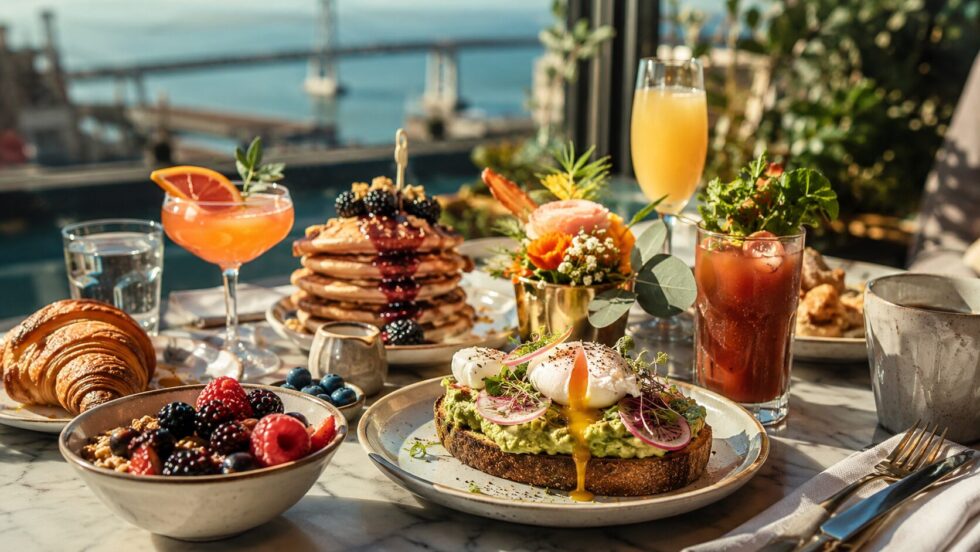
San Francisco restaurants are using brunch to survive economic pressure
Behind the popularity of brunch lies a more serious economic story. Many San Francisco restaurants continue facing extremely high operating costs, uncertain office-worker recovery and reduced evening dining patterns. Brunch offers a relatively stable revenue stream because alcohol sales, simplified menus and fast turnover can improve margins.
Several restaurant operators have openly discussed financial strain during the past year. Closures such as Ristobar in the Marina District highlight continuing pressure within the city’s hospitality sector. In response, many businesses increasingly depend on temporary events, chef collaborations and hybrid dining concepts.
This is partly why pop-up culture remains so aggressive in San Francisco compared with many other American cities. Operators need flexibility. Instead of committing to expensive long-term restaurant concepts immediately, chefs can build audiences through weekend brunches and seasonal appearances.
At the same time, consumers increasingly prefer experiences that feel temporary or exclusive. Restaurants understand that urgency now drives reservations.
Financial realities influencing brunch strategy
- Rising commercial rents
- Staffing shortages
- Reduced weekday office traffic
- Higher ingredient costs
- Tourism fluctuations
- Increased competition from delivery apps
- Demand for event-based dining
The brunch economy has effectively become one of the city’s hospitality stabilizers.
What brunch audiences in San Francisco are expected to spend this season
Consumer spending patterns suggest that premium brunch pricing remains surprisingly resilient despite broader economic caution. Groups visiting rooftop brunches or ticketed events frequently spend more on cocktails and add-ons than on food itself.
Analysts tracking Bay Area hospitality note that brunch now functions closer to entertainment spending than ordinary restaurant spending. Consumers justify higher costs when events include music, social atmosphere or exclusivity.
| Brunch Format | Average Estimated Spend Per Guest |
|---|---|
| Casual café brunch | $25–40 |
| Rooftop brunch with cocktails | $55–90 |
| Ticketed drag brunch | $70–120 |
| Chef pop-up brunch | $60–110 |
| Festival-linked brunch events | $80–150 |
These figures vary significantly depending on alcohol service and ticketing structures.
Brenda’s French Soul Food: why tourists still wait in line here before noon
Brenda’s French Soul Food
Address: 652 Polk St, San Francisco, CA 94102
Brenda’s remains one of the rare San Francisco brunch institutions that still manages to balance tourist popularity with consistent kitchen execution. The Tenderloin location continues attracting heavy weekend brunch traffic because the restaurant built a reputation around New Orleans-style comfort brunches long before themed brunch culture exploded across the city. Unlike many newer brunch concepts focused primarily on visuals, Brenda’s still depends heavily on portion size, spice balance and recognizable Southern cooking techniques. The restaurant also became widely discussed after launching unusually low-priced breakfast sandwiches during a difficult economic period for San Francisco restaurants.
The atmosphere feels intentionally dense and energetic rather than polished or minimalist. That matters because many brunch audiences currently look for restaurants that feel alive rather than curated for social media. Staff turnover at heavily visited brunch venues often damages consistency, but Brenda’s kitchen remains relatively stable compared with many competitors.
Average brunch prices here are still lower than many rooftop or reservation-heavy brunch spots across downtown San Francisco.
| Dish | Average Price |
|---|---|
| Crawfish Beignets | $16–18 |
| Eggs Benedict | $18–22 |
| French Toast | $15–17 |
| Breakfast Sandwiches | $5–9 |
| Mimosa | $10–14 |
What especially separates Brenda’s from trend-driven brunch spots is the kitchen’s understanding of texture and seasoning. The crawfish beignets remain one of the city’s most recognizable brunch dishes because they combine heavy richness with sharp spice and acidity instead of becoming overly greasy. The brunch crowd is also unusually mixed for San Francisco standards: tech workers, tourists, longtime locals and hospitality staff all appear here during the same service window.
“People are pretty baffled and delighted,” chef-owner Brenda Buenviaje said while discussing the restaurant’s affordable breakfast menu expansion in San Francisco.
What to order at Brenda’s
- Crawfish beignets
- Fried chicken Benedict
- Cream biscuit flight
- Shrimp and grits
- Messy Mess breakfast sandwich
- Bananas Foster French toast
The restaurant works best for visitors who want a heavy brunch before walking through downtown or heading toward Civic Center events.
Outerlands: the fog-heavy brunch restaurant that still defines Outer Sunset mornings
Outerlands
Address: 4001 Judah St, San Francisco, CA 94122
Outerlands operates almost like a coastal Northern California postcard translated into restaurant form. Located near Ocean Beach in the Outer Sunset, the restaurant built its reputation through house-made bread, slow brunch service and a dining room designed around wood textures, natural light and foggy neighborhood atmosphere. What keeps the venue relevant now is that management avoided turning it into a mass-tourism brunch factory despite years of popularity.
The brunch here feels slower than downtown San Francisco brunch culture. People often stay for extended periods instead of quickly rotating tables. That affects the entire rhythm of service. Unlike louder Mission District brunch spots, Outerlands leans into calmness and neighborhood identity.
The kitchen is particularly respected for bread and pastry work. Many dishes depend less on complex presentation and more on ingredient quality and fermentation techniques. This becomes obvious in the sourdough structure, seasonal jams and balanced savory plates.
| Dish | Average Price |
|---|---|
| Dutch Pancake | $18–21 |
| Chia Bowl | $10–14 |
| Eggs & Toast | $16–19 |
| Seasonal Tartines | $17–22 |
| Coffee Drinks | $5–8 |
The restaurant’s strongest advantage is location psychology. Visitors arriving from downtown often experience Outerlands as a completely different San Francisco — quieter, colder, slower and more coastal. That emotional contrast is part of the brunch experience itself.
The dining room also avoids many modern brunch clichés. There is no aggressive branding strategy, oversized neon signage or nightclub-style soundtrack. Instead, the restaurant relies on texture, pacing and consistency.
Why Outerlands still matters in SF brunch culture
It helped define modern California brunch aesthetics
Before many minimalist cafés adopted reclaimed wood interiors and artisanal bread-focused brunch menus, Outerlands already operated inside that format. Much of today’s West Coast brunch design language resembles what restaurants like this normalized years ago.
The bread program remains central
Many San Francisco brunch spots outsource pastry or bread production. Outerlands treats baking as the structural core of the menu rather than a side detail.
Ocean proximity changes the atmosphere
The fog, colder air and distance from downtown tourism create a distinctly different brunch experience from SoMa or Union Square.
Son & Garden: the highly photographed brunch restaurant dominating social media feeds
Son & Garden San Francisco
Address: 700 Polk St, San Francisco, CA 94109
Son & Garden represents the opposite side of San Francisco brunch culture from places like Outerlands. The restaurant is highly visual, theatrical and intentionally designed for large social brunch groups. Floral interiors, oversized cocktails, pastel plating and dramatic desserts dominate the experience. Yet dismissing it as merely “Instagram brunch” would ignore how effectively the venue understands current hospitality economics.
The restaurant performs extremely well because it treats brunch as entertainment rather than breakfast. Large groups often stay for cocktails, desserts and staged celebrations. That increases revenue per table significantly compared with traditional café brunches.
Asian-American flavor influences also separate Son & Garden from more standard California brunch menus. Matcha mochi pancakes and fusion-style presentations create recognizable visual identity while remaining accessible to mainstream diners.
| Dish | Average Price |
|---|---|
| Matcha Mochi Pancakes | $22–26 |
| Truffle Pasta Brunch Plates | $24–32 |
| Cloud 9 Cocktail | $20–26 |
| Lobster Benedict | $28–35 |
| Specialty Lattes | $8–12 |
The strongest operational advantage here is branding consistency. Everything inside the restaurant — lighting, plating, music, cocktails and furniture — communicates the same atmosphere. That is not accidental. Modern brunch venues increasingly function as lifestyle environments rather than purely food businesses.
Another reason for its popularity is geographic positioning. Polk Street attracts both tourists and younger Bay Area visitors moving between downtown hotels, bars and weekend shopping districts.
What makes Son & Garden commercially successful
- Highly shareable interiors
- Large-format cocktails
- Strong group reservation demand
- Distinct visual plating
- Fusion brunch menu design
- Strong tourist visibility
The venue works especially well for birthday brunches, bachelorette weekends and visitors seeking a more energetic daytime atmosphere.
Mama’s on Washington Square: the classic North Beach brunch that refuses to disappear
Mama’s on Washington Square
Address: 1701 Stockton St, San Francisco, CA 94133
Mama’s survives because it understands something many newer brunch venues forget: consistency matters more than reinvention. Operating since the 1960s in North Beach, the restaurant built a long-term reputation around oversized breakfasts, omelets, pancakes and baked goods rather than trend cycles.
Weekend lines remain common because tourists continue treating the restaurant almost like a required San Francisco ritual. The dining room feels intentionally old-school compared with modern minimalist brunch cafés. That nostalgia is part of the appeal.
The menu is also unusually broad. While many brunch spots now reduce brunch menus for operational efficiency, Mama’s still serves extensive combinations of omelets, baked goods, sandwiches and sweet breakfast plates.
| Dish | Average Price |
|---|---|
| Stuffed French Toast | $17–22 |
| Omelets | $19–25 |
| Pancakes | $15–18 |
| Fresh Bakery Plates | $7–12 |
| Coffee Service | $4–7 |
What especially works here is location. Washington Square Park, North Beach cafés and nearby Italian streets create natural brunch traffic throughout the weekend. Many visitors combine brunch with walking tours, bookstores and waterfront routes.
The restaurant also benefits from intergenerational appeal. Older tourists trust the institution because of its history, while younger visitors discover it through travel platforms and food videos.
Why tourists still prioritize Mama’s
Strong historical identity
Unlike newer brunch concepts, Mama’s feels connected to older San Francisco food culture rather than temporary trends.
Large portions still matter
Many guests specifically visit because portions remain larger than average Bay Area brunch servings.
North Beach foot traffic supports constant demand
The surrounding neighborhood naturally feeds brunch tourism throughout weekends.
The Rabbit Hole: one of the strongest Asian-American brunch concepts right now
The Rabbit Hole
Address: 2801 California St, San Francisco, CA 94115
The Rabbit Hole reflects a broader transformation happening across California brunch culture, where Asian-American flavors increasingly shape mainstream brunch menus rather than functioning as niche concepts. The restaurant gained attention through dishes mixing brunch structure with Southeast Asian ingredients, boba cocktails and highly stylized comfort food.
Unlike many experimental brunch restaurants, the kitchen still keeps dishes approachable. That balance matters commercially because diners want recognizable brunch formats while also seeking novelty.
The restaurant particularly attracts younger Bay Area diners interested in hybrid food experiences rather than classic brunch formulas. Social media visibility helped accelerate demand, but repeat business appears driven mainly by flavor consistency and cocktails.
| Dish | Average Price |
|---|---|
| Boba Cocktails | $16–20 |
| Asian Fusion Benedicts | $22–28 |
| Fried Chicken Plates | $20–26 |
| Ube Pancakes | $18–24 |
| Espresso Drinks | $6–9 |
The strongest feature here is menu identity. Many fusion brunch restaurants feel random or overly broad. The Rabbit Hole instead builds a coherent flavor direction across drinks, sauces and desserts.
What makes the concept different
- Southeast Asian brunch flavors
- Dessert-forward brunch menu
- Cocktail-heavy service
- Younger local audience
- Strong visual branding
- High social media visibility
The restaurant is especially busy during late brunch hours when guests transition from coffee toward cocktails and group dining.
Despite repeated headlines about retail vacancies, office struggles and restaurant closures, San Francisco remains one of America’s most influential food cities because culinary trends here frequently spread nationally several months later. Brunch culture is no exception.
What appears in San Francisco first — hybrid coffee events, chef-driven pastry pop-ups, daytime nightlife concepts or outdoor entertainment brunches — often expands into Los Angeles, Austin, Seattle and Brooklyn later. Investors, hospitality groups and tourism operators continue watching the Bay Area closely because independent food innovation still emerges here at unusually high speed.
That influence is especially visible in how brunch increasingly blends technology, branding and hospitality. Social media strategy, limited online reservations, event ticketing and influencer partnerships now shape brunch economics as much as food quality itself.
For visitors arriving in San Francisco this May, the city’s most interesting brunches are unlikely to be the oldest institutions or largest hotel buffets. Instead, the strongest energy currently surrounds temporary events, chef collaborations, rooftops, pastry launches and neighborhood-driven social dining formats that reflect how San Francisco continues reinventing itself through food culture.
San Francisco News keeps the city, the Bay Area and the wider world informed with clear, useful reporting on what matters: Rose Pizzeria San Francisco opening draws thousands to Inner Richmond