



Record Bay Area Heat Wave 2026: Why is it 90°F in March and how to stay safe
2026 Bay Area March heat wave: Temperatures to hit 90°F. Expert tips on staying safe, saving energy during the “Marathon” heat dome, and understanding record-shattering California weather.
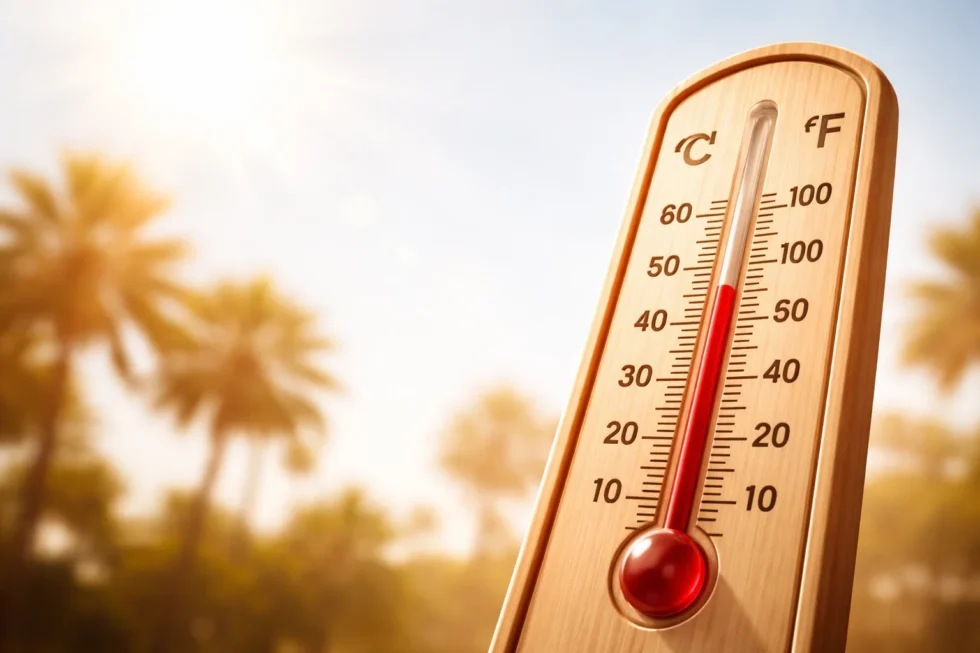
An unprecedented climate anomaly is unfolding across the San Francisco Bay Area this week as a massive high-pressure system, colloquially known as a “heat dome,” traps scorching air over the region. Starting March 16, 2026, temperatures are forecast to surge 20 to 30 degrees above seasonal norms, pushing inland mercury readings into the low 90s while coastal hubs like San Francisco brace for mid-80s. This “Marathon March” event is significant because the human body has not yet acclimatized to summer-like heat, dramatically increasing the risk of heat exhaustion and dehydration. For residents, this means an immediate shift in daily routines is necessary to protect health, conserve energy, and mitigate the impact of what may become the hottest March in California’s recorded history, reports San Francisco Newsroom with reference to National Weather Service.
Breaking the Heat Dome: Understanding the 2026 Climate Shift
The current heat wave is driven by a feedback loop where sinking air from a strong high-pressure ridge compresses and heats up as it nears the ground, effectively sealing the Bay Area in a bubble of warmth. In 2026, this phenomenon is exacerbated by the residual effects of a strong El Niño pattern and record-low winter snowpacks, which have left the soil unusually dry and unable to provide evaporative cooling. San Francisco, which historically sees highs in the low 60s in mid-March, is now staring at a forecast of 88 degrees—a figure that would shatter the all-time March record of 87 set back in 2005. This shift represents a broader trend where the Bay Area now experiences approximately 20 more days of above-average temperatures each spring compared to the 1970s.
| Region / City | Typical March High | Forecast Peak (March 17-21) | Deviation from Normal |
| San Francisco | 62°F | 88°F | +26°F |
| San Jose | 68°F | 92°F | +24°F |
| Livermore | 66°F | 95°F | +29°F |
| Napa | 67°F | 93°F | +26°F |
| Concord | 68°F | 94°F | +26°F |
Public Health and Safety: Mitigating Moderate to Extreme HeatRisk
The National Weather Service has designated this event as a “Moderate to Extreme HeatRisk,” a classification that signifies a high risk of heat-related illness for the general population, not just sensitive groups. Because this heat is arriving so early in the year, the “acclimatization gap” is the primary concern for health officials: the body requires about 7 to 14 days to adjust to high temperatures, and this spike is happening in less than 48 hours. Employers, particularly those in construction and agriculture, are under strict Cal/OSHA mandates as of 2026 to provide shaded rest areas and mandatory hydration breaks when temperatures exceed 80 degrees. Residents are urged to treat this as a mid-summer emergency rather than a pleasant spring warm-up.
Practical safety steps for the March heat wave:
- Pre-hydrate: Drink 8 ounces of water every 20 minutes, even if you do not feel thirsty; dehydration starts before thirst kicks in.
- Shift your schedule: Complete all outdoor exercise or strenuous labor before 10 a.m. or after 7 p.m. to avoid peak solar radiation.
- Utilize cooling centers: If your home lacks AC, visit public libraries or designated cooling centers; fans are ineffective when room temps exceed 95°F.
- Monitor vulnerable neighbors: Check on seniors and those with chronic conditions at least twice daily; heat-related confusion can be subtle.
- Dress for the 2026 climate: Opt for loose-fitting, light-colored natural fibers like linen or cotton which allow for better airflow and sweat evaporation.

Economic and Environmental Impact: Agriculture and Water Scarcity
The timing of this heat wave is particularly devastating for California’s agricultural sector and water management systems. Rapid snowmelt in the Sierras, triggered by 90-degree inland temperatures, is causing “weather whiplash”—moving from a parched winter straight into a premature runoff that evaporates before it can be effectively captured in reservoirs. Farmers in the Central Valley and North Bay are being forced to accelerate irrigation schedules for perennial crops like almonds and grapes, which are already showing signs of heat stress. This premature heat also disrupts the “chill hours” required for fruit trees, potentially leading to lower yields and higher food prices by the end of the 2026 harvest season.
What to do as a homeowner or gardener:
- Deep water at night: Irrigate your garden between 9 p.m. and 5 a.m. to minimize evaporation and allow roots to absorb moisture.
- Apply thick mulch: Use 3-4 inches of wood chips or straw to keep soil temperatures stable and lock in existing moisture.
- Provide temporary shade: Use 40% shade cloth over sensitive vegetable starts or young fruit trees to prevent leaf scorch.
- Audit your irrigation: Check for leaks in drip lines; with water scarcity looming in 2026, every drop counts during a heat dome event.
- Stop pruning: Do not prune trees or shrubs during the heat wave; the extra foliage provides essential shade for the plant’s internal structure.
Infrastructure and Power: Grid Stability during Prolonged Heat
In 2026, California’s power grid relies heavily on solar energy, which is abundant during heat waves, but the “net peak” in the early evening remains a vulnerability as residents return home and turn on air conditioning. State officials have issued “Flex Alerts” for the week of March 16, asking residents to conserve energy between 4 p.m. and 9 p.m. to prevent rolling blackouts. Prolonged heat also impacts transportation; rail lines can expand and warp under extreme temperatures, leading to potential delays on BART and Caltrain. Planning for these infrastructure “strains” is essential for commuters who may find themselves stranded in uncooled stations or delayed trains.
Expert recommendations for energy management:
- Pre-cool your home: Run your AC in the morning when it is most efficient, then close all blinds and curtains by 10 a.m.
- Avoid large appliances: Delay using the dishwasher, dryer, or oven until after 9 p.m. to reduce heat gain and grid load.
- Unplug “vampire” electronics: Even off-state electronics generate small amounts of heat; unplugging them helps maintain a cooler indoor environment.
- Set thermostats to 78°F: While it may feel warm, 78°F is the recommended setting during Flex Alerts to ensure the grid remains stable for emergency services.
- Prepare a “Heat Kit”: Keep a cooler with ice packs and spray bottles near your bed; localized cooling can help you sleep without overtaxing the AC.
Frequent Questions
Is a 90-degree day in March normal for the Bay Area?
No. Average highs for March are typically in the low 60s. Forecasted temperatures of 85–95°F are 20 to 30 degrees above normal and threaten all-time records.
Why is this heat wave called a “Marathon”?
Unlike a typical 2-day spike, the NWS predicts this high-pressure ridge will remain stationary for at least 5 to 7 days, creating a prolonged period of heat.
Does a heat advisory mean I shouldn’t go outside?
It means you should limit outdoor activity during peak hours (10 a.m. to 7 p.m.) and take frequent shaded breaks if you must be outdoors.
What are the specific signs of heat stroke?
Heat stroke is a medical emergency. Signs include a high body temp (103°F+), red/dry skin, no sweating, a rapid pulse, confusion, or losing consciousness.
Will my BART or Caltrain commute be affected?
Yes, extreme heat can cause rail “kinks.” It is advised to check transit apps for heat-related speed restrictions or equipment failures before leaving.
Are cooling centers open this early in the year?
Yes. Due to the severity of the 2026 March heat wave, most Bay Area counties have activated early-season cooling centers in public libraries and community halls.
San Francisco News keeps the city, the Bay Area and the wider world informed with clear, useful reporting on what matters: Why are San Francisco gas prices over $5 and where can drivers find gasoline for $4.97 today