



What Should San Francisco Residents Do If a Mountain Lion Appears in Bay Area Streets
A young mountain lion was spotted in Pacific Heights, San Francisco, and safely captured by wildlife officials. Learn safety steps and local details.
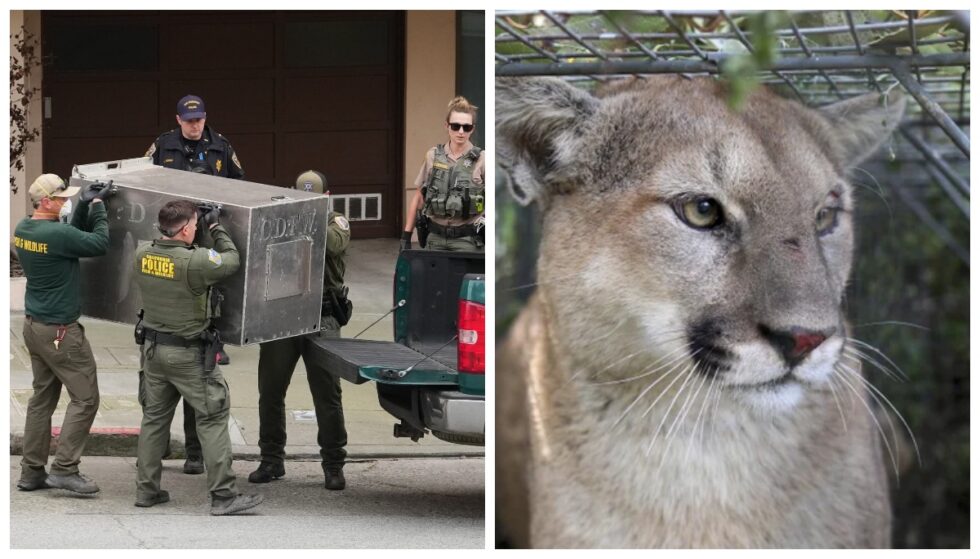
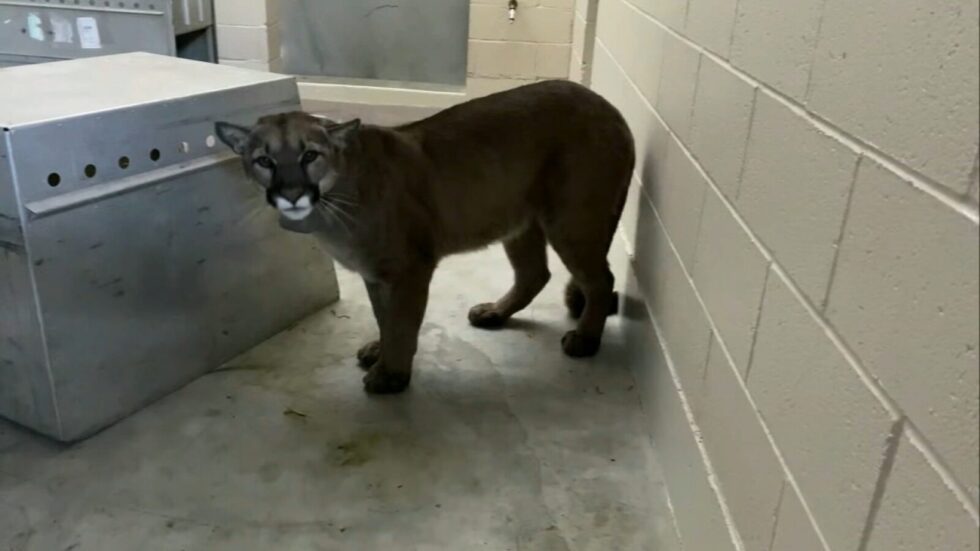
San Francisco residents experienced an unusual wildlife encounter when a young mountain lion was spotted roaming the streets of the Pacific Heights neighborhood. Authorities issued safety guidance, advising locals to slowly back away if they encountered the animal. The sighting caused concern because while coyotes are common in the city’s parks, mountain lions are rarely seen within city limits. Wildlife officials quickly responded, locating and safely capturing the wild feline by Tuesday morning. After being tranquilized, the mountain lion is scheduled for release back into a natural habitat. Such incidents highlight the occasional overlap between urban life and wildlife in San Francisco, emphasizing the need for awareness among residents, reports San Francisco Newsroom via The San Francisco Chronicle.
What is a Mountain Lion and How It Works in San Francisco
Mountain lions, also known as cougars or pumas, are large wild felines native to California. Adult males can weigh up to 150 pounds, while younger individuals are lighter but still powerful. In the Bay Area, mountain lions typically inhabit remote hills, forests, and open spaces but occasionally venture into urban neighborhoods in search of food, territory, or due to displacement. Pacific Heights and surrounding areas, with their proximity to hilly terrain and parks like Lafayette Park, can serve as temporary corridors for these animals.
Local authorities, including the San Francisco Department of Animal Care and Control and regional wildlife agencies, monitor sightings and provide public guidance for safety. Mountain lions are generally elusive and avoid humans, but residents are urged to understand basic safety procedures and to report sightings promptly.
| Feature | Details | San Francisco Notes |
|---|---|---|
| Species | Mountain lion (Puma concolor) | Rarely seen in city neighborhoods |
| Weight | 70–150 lbs | Young animals lighter; adult males heavier |
| Habitat | Hills, forests, open spaces | Pacific Coast hills south of the city, parks like Lafayette |
| Behavior | Nocturnal, solitary | Rarely aggressive to humans if left alone |
| Local Risks | Encounters in neighborhoods | Residents advised to slowly back away and notify authorities |
| Capture Method | Tranquilizer and relocation | Managed by San Francisco wildlife officials |
How Mountain Lion Encounters Work in Real Life for Bay Area Residents
Encounters with mountain lions in San Francisco are extremely rare but require clear steps to ensure public safety. When a sighting occurs, residents should immediately call local authorities, such as the San Francisco Department of Animal Care and Control, to report the location, time, and description of the animal. Witnesses are advised to keep a safe distance, avoid sudden movements, and do not attempt to feed or approach the animal.
Wildlife officers typically deploy trained personnel to tranquilize the animal safely. Following capture, the mountain lion is examined for health, tagged if necessary, and released back into suitable wilderness areas outside the urban environment. Residents are encouraged to secure pets, remove potential food attractants like garbage, and be alert during early morning or evening hours when wildlife activity is higher.
Key steps for residents:
- Observe from a distance without approaching
- Report sightings with accurate details
- Keep pets indoors or on a leash
- Follow instructions from wildlife officials
Practical Checklist for San Francisco Mountain Lion Encounters
- Important requirement: Maintain at least 50–100 feet of distance from the animal
- Key document or step: Contact the Department of Animal Care and Control immediately
- Useful local tip: Avoid jogging or walking alone in hilly neighborhoods near parks
- Common rule: Do not run; slowly back away while facing the animal
- Practical recommendation: Educate children about wildlife safety and reporting procedures
Real-Life Situations in San Francisco
Mountain lion sightings in San Francisco have historically occurred in areas adjacent to natural landscapes. For instance, a young mountain lion in 2020 was found sleeping in a planter box downtown, highlighting how these animals can appear unexpectedly in city settings. “Many Bay Area residents face this situation every year,” explains a local consultant. Observing from a safe distance and reporting sightings promptly remain the best responses.
Another common scenario occurs in Pacific Heights, where animals occasionally navigate through parks or residential streets before returning to the wilderness. “Understanding the local rules is essential in San Francisco,” notes a community adviser. Awareness campaigns and city signage in key parks now guide residents on safely handling wildlife encounters, reflecting the practical measures authorities implement to protect both humans and animals.
| Option | Benefits | Limitations |
|---|---|---|
| Immediate Reporting | Rapid wildlife response | May cause temporary street closures or alerts |
| Tranquilization and Relocation | Safe capture without harm | Stressful for the animal; requires trained personnel |
| Observation from Distance | Minimizes risk to humans | Must remain alert; animal may move unpredictably |
| Pet Containment | Protects pets from potential encounters | Limits pet mobility temporarily |
| Public Awareness Campaigns | Educates residents | Requires consistent community participation |
Common Mistakes San Francisco Residents Should Avoid
Residents sometimes underestimate the presence of wildlife in urban areas. Common mistakes include approaching the animal, attempting to feed it, or allowing pets to roam freely during sightings. These behaviors increase the risk of injury or escalation. Failing to notify authorities promptly can delay capture and potentially place the animal or public in danger.
Another mistake is assuming mountain lions are the same as common urban wildlife like coyotes. While both are predators, mountain lions are significantly larger and require distinct handling measures. Keeping children uninformed about safety protocols and walking alone in poorly lit areas near parks can also lead to unnecessary risk. Following official guidelines ensures both human safety and the humane treatment of the animal.
Frequently Asked Questions
Q: What should I do if I see a mountain lion in San Francisco?
A: Keep a safe distance, do not run, slowly back away, and contact the Department of Animal Care and Control.
Q: Are mountain lions common in the Bay Area?
A: No, sightings are rare, but they occasionally enter urban neighborhoods from surrounding hills and parks.
Q: Can mountain lions harm pets in San Francisco?
A: Yes, pets should be kept indoors or on a leash during sightings, especially near parks and hilly areas.
Q: How do wildlife officials capture mountain lions in the city?
A: Trained personnel use tranquilizers to safely immobilize the animal before relocating it to a suitable wilderness area.
Q: What areas in San Francisco are more likely to see mountain lions?
A: Neighborhoods near parks and hilly terrains, including Pacific Heights, Lafayette Park, and areas bordering the Pacific Coast hills.
San Francisco News keeps the city, the Bay Area and the wider world informed with clear, useful reporting on what matters: Why Did Cadillac Bar & Grill Close in San Francisco After 30 Years and What It Means for Dining