



San Francisco Water & Sewer Bills 2026: Why are Rates Rising and How to Save Money
San Francisco water and sewer bills are reaching record highs in 2026. Explore the SFPUC rate hikes, infrastructure mandates, and expert tips on how to lower your utility costs today
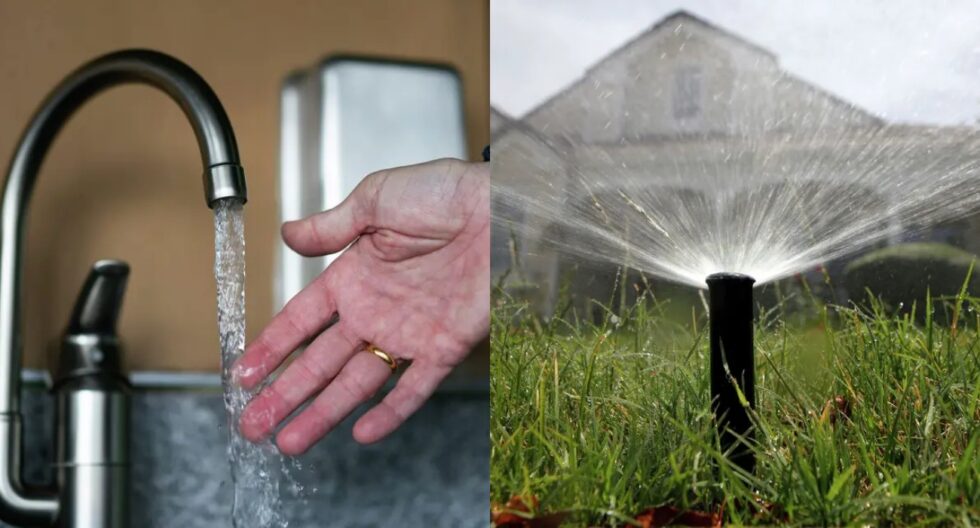
The cost of living in the Bay Area has reached a new inflection point in 2026 as the San Francisco Public Utilities Commission (SFPUC) implements some of the most significant utility rate adjustments in the city’s history. For the average resident, opening a monthly water and sewer bill has become a source of “sticker shock,” with total costs now frequently exceeding $200 for a standard single-family household.
This escalation is not merely a bureaucratic whim; it is the financial manifestation of a massive, multi-decade effort to rebuild San Francisco’s aging infrastructure, comply with federal environmental mandates, and prepare for the seismic and climatic uncertainties of the 21st century. As the city grapples with these rising costs, understanding the “why” behind the numbers and the “how” of mitigation is essential for every ratepayer to maintain financial stability, reports San Francisco Newsroom with reference to sfchronicle.
The following table provides a detailed breakdown of the average monthly utility costs for a standard residential customer in San Francisco, comparing the historical 2024 data with the current 2026 rates and future projections.
| Fiscal Year | Average Water Charge | Average Sewer Charge | Total Monthly Bill | Percentage Increase |
| 2024 | $65.40 | $105.20 | $170.60 | Baseline |
| 2025 | $71.20 | $114.60 | $185.80 | 8.9% |
| 2026 (Current) | $77.60 | $124.90 | $202.50 | 9.0% |
| 2027 (Projected) | $84.60 | $136.10 | $220.70 | 9.1% |
| 2028 (Projected) | $92.20 | $148.40 | $240.60 | 9.0% |
The Sewer Mandate: Why Waste Treatment is Driving Your Bill
The most significant portion of your utility bill in 2026 is likely the sewer charge, which consistently outpaces the cost of the water itself. This is primarily due to the “Combined Sewer System” in San Francisco—a unique and aging infrastructure that collects both wastewater and stormwater in the same pipes. During heavy “atmospheric river” storms, which have become more frequent and intense in 2026, this system faces immense pressure.
To comply with the federal Clean Water Act, the SFPUC must ensure that this mixture is treated before it reaches the Bay or the Ocean. The massive Biosolids Digester Facilities Project, a cornerstone of the Sewer System Improvement Program (SSIP), is a $3 billion investment currently under construction that accounts for a substantial chunk of the 2026 rate hike.
- Treatment Plant Modernization: Replacing 1940s-era facilities at the Southeast Plant to improve efficiency and reduce odors for the surrounding community.
- Climate Adaptation: Expanding the capacity of storage tunnels to prevent raw sewage overflows during record-breaking rain events.
- Seismic Resilience: Hardening the primary treatment centers against a potential 7.0+ magnitude earthquake on the San Andreas Fault.
- Regulatory Fines: Investing in technology to avoid massive penalties from the EPA regarding nitrogen discharge into the San Francisco Bay.
- Odor Control: Implementing new carbon-filtration systems to address long-standing air quality issues in the Bayview-Hunters Point area.
- Energy Recovery: Building systems that capture methane from waste to generate “green” power, reducing long-term carbon footprints.
The Hetch Hetchy Legacy: Maintaining the Mountain Water Supply
San Francisco is world-renowned for its high-quality, Sierra Nevada-fed water, but maintaining a gravity-fed system that spans 167 miles is an engineering and financial challenge. In 2026, the SFPUC is deep into the Mountain Tunnel Improvement Project, a critical effort to repair a 19-mile stretch of the system that has been in continuous service since the 1920s. Without these repairs, the risk of a catastrophic tunnel collapse would leave the city reliant on much lower-quality local reserves.
Additionally, the 2026 budget includes significant allocations for the “One Water” initiative, which looks at the city’s water cycle holistically, including the use of recycled water for irrigation and groundwater for emergency backup. These investments ensure long-term reliability but require immediate capital from the current rate base.
- Tunnel Structural Lining: Installing new concrete linings in the Hetch Hetchy tunnels to prevent erosion and structural failure.
- Regional Cooperation: Working with 26 wholesale customers in Alameda, Santa Clara, and San Mateo counties to share the burden of regional upgrades.
- Watershed Protection: Managing thousands of acres of Sierra land to ensure the water remains so pure that it requires minimal filtration.
- Local Reservoir Safety: Upgrading dams and spillways at local sites like Crystal Springs and San Andreas to meet modern safety standards.
- Smart Meter Deployment: Finalizing the roll-out of advanced metering infrastructure that allows for real-time leak detection and billing accuracy.
Financial Relief: How to Access Customer Assistance Programs (CAP)
Recognizing that the 2026 rate hikes can be prohibitive for many, the SFPUC has significantly expanded its financial assistance offerings. The Customer Assistance Program (CAP) is specifically designed for low-income residents, providing up to a 35% discount on water and a 50% discount on sewer charges. Eligibility is determined by household income—typically set at or below 200% of the Federal Poverty Level.
In 2026, the application process has been streamlined to allow for “auto-enrollment” for residents already participating in CalFresh or CARE (for energy bills). Furthermore, the city has introduced a tiered “Debt Forgiveness” program for households that fell behind during the economic shifts of the past two years, provided they enter into a structured payment plan.
- Low-Income Discounts: Significant percentage-based reductions for households meeting income guidelines.
- Non-Profit Housing Credits: Special rates for buildings that provide 100% affordable or supportive housing.
- Emergency Hardship Grants: One-time payments of up to $500 for families facing a sudden loss of income or medical crisis.
- Senior Citizen Credits: Targeted relief for residents over 65 who own their homes and are on a fixed income.
- Conservation-Based Relief: Providing free low-flow fixture installations to low-income households to help them lower their volumetric charges.
- Arrearage Management: Flexible payment plans that prevent water shut-offs while residents work through past-due balances.
Expert Conservation Tips: Reducing Your Bill Through Strategy
In a high-rate utility environment, conservation is the most direct tool a resident has to lower their monthly expenses. Because sewer bills are calculated based on water consumption (usually 90% of indoor use), saving one gallon of water actually saves you money on both halves of the bill. In 2026, the SFPUC is pushing for a “leak-first” mentality.

A single running toilet can add over $100 to a monthly bill at current rates. Utilizing the SFPUC’s online portal to monitor hourly usage can help you identify a leak before the bill even arrives. Furthermore, switching to high-efficiency appliances and native landscaping can reduce a household’s total water footprint by as much as 30% without sacrificing comfort or curb appeal.
- Dye-Test Your Toilets: Put a few drops of food coloring in the tank; if the color seeps into the bowl without flushing, you have a leak.
- Install Smart Controllers: For those with gardens, weather-based irrigation controllers can save thousands of gallons by skipping cycles during fog or rain.
- Low-Flow Upgrades: Replace 2.5 GPM showerheads with 1.5 GPM models; the sensation is nearly identical, but the savings are substantial.
- Full Loads Only: Modern dishwashers and washing machines use less water than hand-washing, but only when run at full capacity.
- Greywater Adoption: Explore “Laundry-to-Landscape” systems, which divert washing machine rinse water to garden beds, bypassing the sewer system entirely.
The “One Water” Future: What to Expect Through 2030
The utility landscape in San Francisco is moving toward a more integrated, “One Water” approach. This means that by the late 2020s, the distinction between “water,” “sewer,” and “stormwater” may blur on your bill as the city moves toward a single ecological service fee. This shift is intended to improve transparency and ensure that those who contribute the most to the system’s stress—such as large commercial properties with vast expanses of non-permeable pavement—pay their fair share.
Additionally, the SFPUC is exploring “Dynamic Pricing,” which could offer lower rates during off-peak hours or higher “drought surcharges” only during official emergencies. The goal is to create a financial model that is both resilient enough to fund massive infrastructure and flexible enough to remain equitable for the city’s diverse population.
- Integrated Billing: Combining water, sewer, and rain-runoff management into a more transparent, service-based fee.
- Stormwater Credits: Offering bill reductions for properties that install “green roofs” or permeable pavers to reduce runoff.
- Enhanced Recycling: Scaling up the Westside Enhanced Water Recycling Project to provide non-potable water for parks and golf courses.
- Federal Lobbying: Increased efforts by city leaders to secure federal infrastructure grants to offset the burden on local ratepayers.
- Technological Monitoring: Using AI-driven sensors throughout the pipe network to predict and fix bursts before they cause damage.
Frequently Asked Questions
Why are San Francisco’s water rates so much higher than other cities?
San Francisco maintains its own 167-mile delivery system and a unique combined sewer system. The geography of the Bay Area and the age of the infrastructure (much of it over 100 years old) make maintenance and compliance significantly more expensive than in newer or flatter cities.
Is it true that I pay for sewer even when it rains?
Yes. Because San Francisco uses a combined sewer system, the rainwater that flows into street drains must be treated at the same plants as wastewater. This “stormwater treatment” is built into the standard sewer rates.
Can I get a credit if I use water for a garden that doesn’t go into the sewer?
For residential customers, sewer charges are typically capped at a certain percentage of water use to account for outdoor watering. Large commercial properties or estates can apply for a “separately metered” irrigation line that does not incur sewer charges.
How do I apply for the CAP discount in 2026?
You can apply through the SFPUC website. You will need to provide proof of income or a letter of participation in other assistance programs like CalFresh or Medi-Cal.
What happens if I can’t pay my bill?
You should contact the SFPUC immediately to enter into a payment plan. While water shut-offs are active in 2026, the utility is required to work with residents to find a financial solution before disconnecting service.
Why did my bill spike even though my habits didn’t change?
Check for leaks first. If no leak is found, it is likely due to the scheduled 9% rate increase that took effect for the 2026 fiscal year.
San Francisco News keeps the city, the Bay Area and the wider world informed with clear, useful reporting on what matters: Can You Buy a House with a $200,000 Income? Navigating the 2026 Bay Area Real Estate Market