



San Francisco weather June 2026: cold or warm? Fog, wind and real temperatures explained
San Francisco weather June 2026 forecast: fog, wind, cold mornings, sunny afternoons, ocean temperatures, June Gloom, what to wear and how warm San Francisco really gets.
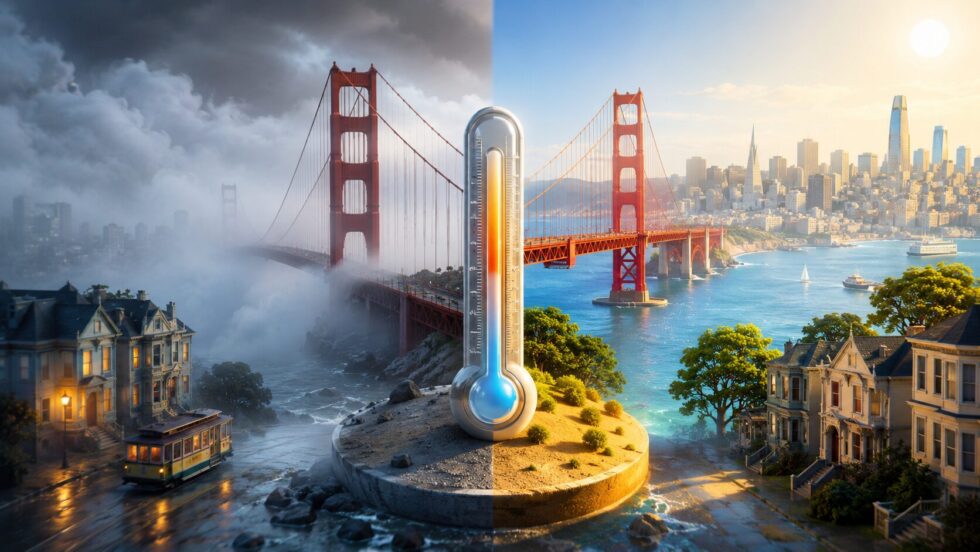
San Francisco weather in June 2026 is expected to follow the city’s classic early-summer pattern: cool mornings, strong ocean winds, rolling fog and surprisingly mild daytime temperatures rather than intense California heat. While tourists arriving from inland California, Nevada or the East Coast often expect beaches, summer sun and temperatures above 80°F, the reality across most of San Francisco is very different. Coastal districts including Sunset, Richmond and areas near the Pacific Ocean are likely to remain in the upper 50s to low 60s Fahrenheit during many afternoons, while downtown and eastern neighborhoods may occasionally climb toward the upper 60s or low 70s. Meteorologists across the Bay Area are already pointing to a strengthening marine layer pattern during late May heading into June, a seasonal shift widely known as “June Gloom,” San Francisco Newsroom reports, with cooler ocean air pushing inland overnight and lingering well into the day across large parts of the city.
The weather pattern matters because San Francisco operates differently from most American summer destinations. June is statistically one of the foggiest periods of the year around the Bay Area due to cold Pacific currents, inland heat gradients and stable atmospheric inversions that trap marine clouds close to the coast. The result is a city where one neighborhood can sit under dense fog and 57°F temperatures while another only a few miles away sees sunshine and temperatures above 70°F. Travelers planning June 2026 trips should therefore expect layers, jackets and changing conditions throughout the day rather than stable summer heat. Forecast models and long-term averages currently suggest highs around 63°F to 70°F with overnight lows mostly between 52°F and 58°F.
Why June in San Francisco often feels colder than expected
San Francisco’s climate in June is heavily shaped by the Pacific Ocean rather than by the broader California summer heat that dominates inland regions. Cold water offshore combines with warmer inland valleys to create a strong pressure difference, pulling moist marine air through the Golden Gate and across western neighborhoods. This process builds the famous fog banks associated with the city and often keeps temperatures lower than visitors anticipate. In practical terms, June afternoons in San Francisco can feel colder than spring afternoons in cities like New York, Chicago or even London despite California’s sunny reputation.
The phenomenon intensifies during mornings and evenings. Fog frequently arrives overnight and may persist until midday or later, especially near Ocean Beach, Twin Peaks and the Sunset District. Wind also becomes a major factor in perceived temperature. A 61°F afternoon with coastal winds can feel substantially colder than the actual thermometer reading. Long-term climate data shows June highs usually stay around 68°F to 70°F in central San Francisco, while the coastline often remains cooler.
Meteorologists describe this pattern as part of the seasonal “June Gloom” cycle that affects much of coastal California. The marine layer becomes deeper during late spring and early summer, producing gray skies, mist and occasional drizzle even while inland California experiences heat above 90°F. Recent Bay Area forecasts in May 2026 already show this pattern rebuilding ahead of June, with San Francisco expected to remain relatively cool while inland valleys heat dramatically.
Typical June conditions visitors notice first
| Weather factor | What visitors usually experience |
|---|---|
| Morning fog | Dense clouds until late morning |
| Afternoon temperature | Usually mild, not hot |
| Wind | Strong near waterfront areas |
| Evenings | Often cold after sunset |
| Ocean conditions | Cold Pacific air dominates |
| Rain | Rare but occasional drizzle possible |
| Clothing need | Layers and light jackets essential |
Even experienced travelers often underestimate how quickly temperatures fall after sunset. Evenings around Fisherman’s Wharf, Marina District or Golden Gate Bridge viewpoints may drop close to 50°F with wind chill. That is why locals regularly wear hoodies, fleece jackets and long trousers even during summer months.
Which parts of San Francisco are warmer in June 2026
Not every district experiences identical conditions. Geography plays a major role in the city’s microclimates, and temperature differences between neighborhoods can reach 10°F or more on the same afternoon. Eastern neighborhoods sheltered from direct Pacific influence tend to be warmer and sunnier than western coastal zones. Areas like Mission District, SoMa and Potrero Hill often receive more afternoon sun and reduced fog coverage compared with Ocean Beach or Outer Sunset.
This uneven distribution of fog is one of the defining characteristics of Bay Area weather. Coastal areas remain closest to the marine layer and therefore stay cooler for longer periods. Meanwhile, neighborhoods farther inland warm more efficiently once clouds clear. According to weather analysts and Bay Area forecasting reports, western San Francisco can remain socked in with low clouds while inland East Bay communities simultaneously approach 90°F.
Travelers planning hotel bookings for June 2026 should therefore understand the difference between neighborhoods. A hotel near Union Square may offer relatively warmer afternoons than accommodations directly along the Pacific coastline. Likewise, daytime sightseeing conditions in the Mission District may feel dramatically different from those near Lands End or Golden Gate Park.
Warmer and cooler areas in June
Usually warmer districts
- Mission District
- SoMa
- Potrero Hill
- Dogpatch
- Financial District
Usually cooler districts
- Outer Sunset
- Richmond District
- Ocean Beach
- Daly City border areas
- Pacific coastline viewpoints
These contrasts explain why packing decisions matter so much for San Francisco trips. Tourists expecting Southern California conditions frequently end up buying sweatshirts near Fisherman’s Wharf after underestimating the cold Pacific air.
June Gloom 2026: what it actually means for daily life
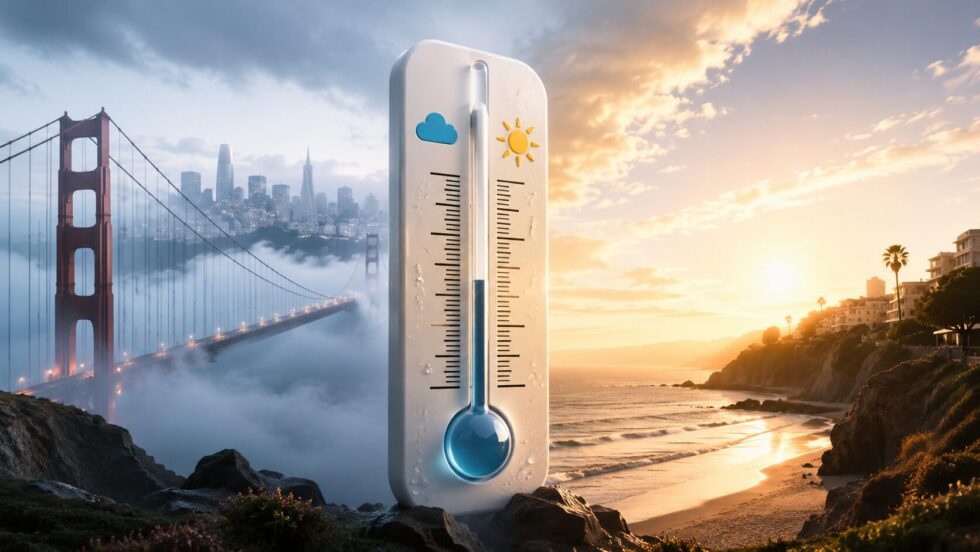
The term “June Gloom” is often misunderstood outside California. It does not mean nonstop rain or severe weather. Instead, it refers to recurring low cloud cover and fog caused by the marine layer during late spring and early summer. The fog normally forms overnight, spreads inland by morning and sometimes burns off partially during the afternoon before returning again in the evening.
In June 2026, current regional weather patterns suggest the Bay Area may again see frequent marine-layer activity similar to recent years. Weather reports during May 2026 already indicate a return of “May Gray” conditions evolving toward June Gloom, with thicker fog layers and persistent cool air expected along coastal areas.
The practical effect is not simply aesthetic. Visibility can change rapidly around bridges and coastal roads. Photography conditions vary hour by hour. Outdoor dining becomes less comfortable without layers. Tourists planning sunrise viewpoints at Twin Peaks or Golden Gate Bridge may encounter complete fog cover instead of skyline views.
At the same time, many locals consider the fog part of San Francisco’s identity rather than a problem. It moderates heat, reduces wildfire risk near the coast and creates the atmospheric look associated with the city’s architecture and waterfront.
“Sometimes it’s frustrating because in one part of the bay it’ll be cold and foggy, and 5 miles away might have sun and very little fog,” longtime Bay Area resident Stacey McIntosh told the San Francisco Chronicle while discussing the region’s June fog patterns.
What June Gloom changes for tourists
| Activity | Weather impact |
|---|---|
| Golden Gate photos | Fog may obscure views |
| Beach visits | Windy and cold despite sunshine |
| Hiking | Morning fog possible |
| Rooftop dining | Cooler evenings |
| Cable car rides | Wind exposure can feel cold |
| Baseball games | Night temperatures drop sharply |
Many tourists are surprised to discover that June beach weather in San Francisco is often colder than autumn afternoons in other US cities.
Temperature expectations for June 2026
Forecasts this far ahead remain subject to change, but historical averages and current atmospheric trends offer a relatively reliable picture of expected conditions. Most long-range weather models indicate San Francisco temperatures in June 2026 will remain near seasonal norms rather than experiencing major heat anomalies.
Average daytime highs are expected to remain around:
- 63°F to 70°F (17°C to 21°C)
- Night temperatures around 52°F to 58°F
- Coastal sections often remaining cooler
- Inland Bay Area areas significantly warmer
Rainfall during June is usually minimal. Most years see very limited precipitation, though drizzle associated with fog remains possible. Long daylight hours continue through the month, with sunset occurring after 8:30 PM near the summer solstice.
The city’s hottest period generally arrives later in the year, particularly during September and early October rather than June. This is another feature that surprises visitors unfamiliar with Bay Area climate patterns. Weather data shows the warm season typically strengthens deeper into summer and early autumn.
June 2026 temperature overview
| Time of day | Expected range |
|---|---|
| Early morning | 52°F–56°F |
| Midday | 60°F–67°F |
| Warm inland afternoons | Up to low 70s |
| Coastal evenings | Near 50°F |
| Waterfront wind chill | Feels colder than actual temperature |
Because wind exposure changes rapidly near the water, conditions can fluctuate within minutes. Alcatraz ferries, waterfront walks and evening baseball games often feel colder than forecasts suggest.
What to wear in San Francisco during June 2026
Packing strategy matters more in San Francisco than in many other American destinations. June is not the month for exclusively summer clothing. The city rewards layered outfits that can adapt throughout the day as fog clears and returns.
Travel experts and local residents consistently recommend:
- Light jackets
- Hoodies or sweaters
- Long trousers
- Closed shoes
- Wind-resistant outerwear near the waterfront
- Sunglasses for afternoon clearing
Short sleeves may still be comfortable during sunny inland afternoons, particularly in eastern districts, but evening conditions usually require additional layers. Visitors staying out after sunset frequently underestimate the temperature drop.
Recommended clothing by activity
Waterfront sightseeing
- Windbreaker
- Scarf or hoodie
- Long sleeves
Downtown walking
- Light layers
- Sunglasses
- Comfortable trainers
Evening restaurants or bars
- Medium jacket
- Long trousers
- Closed shoes
Day trips outside the city
- Flexible layers because inland areas become hotter
The contrast between San Francisco and nearby inland California can also confuse visitors. A traveler leaving the city for Napa Valley or Silicon Valley may encounter temperatures 15°F to 25°F warmer within the same afternoon.
Why San Francisco’s summer arrives later than expected
Unlike many American cities, San Francisco does not reach peak warmth during June or July. The cold Pacific Ocean keeps the coastal atmosphere stable during early summer, limiting heat buildup. As inland California heats more aggressively later in the season, offshore weather patterns shift and San Francisco sometimes becomes warmer in September than in June.
Climate analysts note that September and October frequently deliver the city’s most comfortable weather, with clearer skies and reduced marine fog. June instead remains transitional and heavily influenced by the ocean. This pattern has become one of the most distinctive climate characteristics of Northern California.
Historical reporting also shows that some recent Junes have felt unusually cold. In 2025, meteorologists described San Francisco as experiencing one of its chilliest June periods in decades due to persistent marine-layer activity suppressing temperatures below 65°F for extended stretches.
That does not automatically mean June 2026 will repeat those extremes, but current regional forecasts strongly suggest another classic fog-dominated start to summer across the Bay Area rather than sustained heat waves.
Most meteorological indicators currently point toward a familiar pattern:
- Persistent marine fog
- Cool mornings
- Mild afternoons
- Strong coastal breezes
- Significant neighborhood temperature contrasts
The city is therefore unlikely to feel “hot” in the way many international travelers define California summer weather. Instead, June 2026 will probably continue San Francisco’s long-established climatic identity: atmospheric, windy, layered and heavily shaped by the Pacific Ocean.
For travelers, that means preparing realistically rather than relying on California stereotypes. The city may deliver sunshine and blue skies during parts of the afternoon, but those periods often exist alongside cold ocean air and rapidly shifting fog banks. Understanding that contrast is essential for planning sightseeing, photography, sporting events and evening activities around the Bay Area.
San Francisco in June remains one of the world’s most distinctive urban weather environments precisely because it refuses to behave like a typical summer destination.
San Francisco News keeps the city, the Bay Area and the wider world informed with clear, useful reporting on what matters: Lunar Haircut Calendar June 2026 USA: Best Dates for Cutting, Coloring and Growth