



Why does your hip click? 2026 causes and treatments for hip snapping syndrome and joint health
Why does your hip click? Discover 2026 causes and treatments for hip snapping syndrome. From physical therapy to regenerative biologics, learn how to fix hip joint sounds effectively.

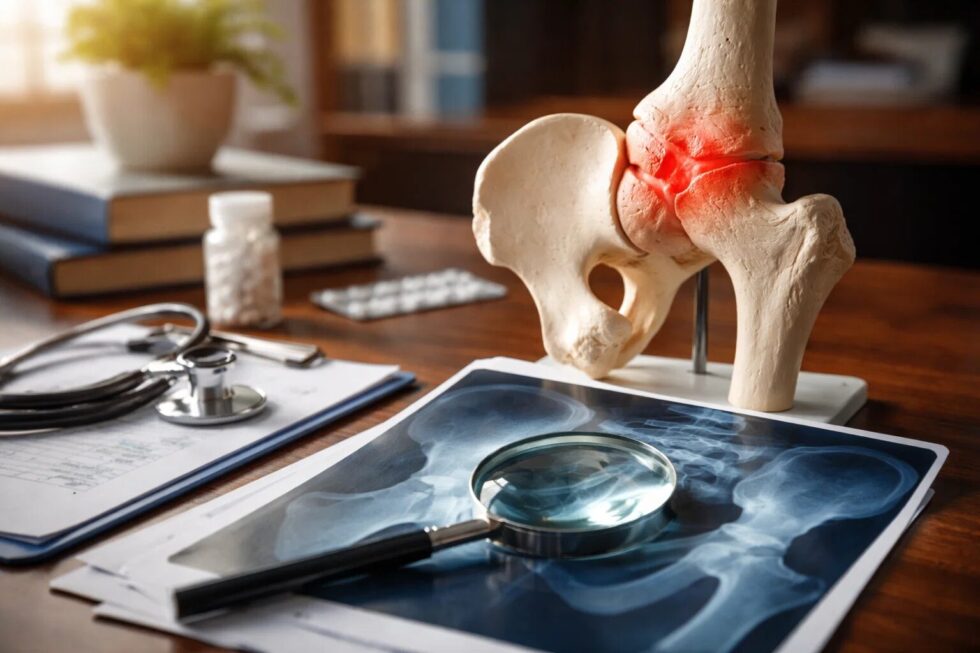
Hip joint clicking, a phenomenon medically known as coxa saltans or “snapping hip syndrome,” is affecting an increasing number of individuals in 2026 due to sedentary digital lifestyles and high-intensity interval training (HIIT) trends. This condition occurs when tendons or muscles move over bony protrusions in the pelvis or femur, causing an audible pop or a tangible clicking sensation during movement. While often painless initially, ignoring these mechanical irregularities can lead to chronic bursitis or labral tears, making early diagnosis essential for maintaining long-term mobility. For the modern reader, understanding whether a “click” is a benign acoustic event or a symptom of structural degeneration is the first step toward avoiding invasive surgery and ensuring a high quality of life. This report is provided by the San Francisco Newsroom.
Identifying the Source: Intra-articular vs. Extra-articular Clicking
To determine the appropriate treatment for a clicking hip, one must first identify the physiological origin of the sound, which in 2026 is categorized into three primary types. The most common type is “external snapping,” where the iliotibial (IT) band slides over the greater trochanter of the femur, usually experienced during walking or climbing stairs. Internal snapping involves the iliopsoas tendon catching on pelvic structures, often felt when extending the leg from a flexed position. The most serious category, intra-articular clicking, suggests a mechanical blockage within the joint itself, such as a labral tear or loose cartilage fragments, which requires immediate specialized intervention to prevent the onset of early-stage osteoarthritis.
| Type of Snapping | Primary Location | Typical Cause | 2026 Standard Treatment |
| External | Lateral (Side of hip) | IT Band tightness | Dynamic stretching & Myofascial release |
| Internal | Anterior (Groin area) | Iliopsoas tendon tension | Deep core strengthening & Eccentric loading |
| Intra-articular | Deep within the joint | Labral tear or Loose bodies | Regenerative biologics or Arthroscopy |
| Benign Pop | General joint area | Gas bubble release | No treatment required; observation |
| Pathological | Deep joint with pain | Cartilage degradation | PRP (Platelet-Rich Plasma) or Stem Cell therapy |
Modern Diagnostic Protocols and Conservative Management in 2026
In 2026, the first line of defense against hip clicking is no longer rest and anti-inflammatories, but targeted “Neuromuscular Re-education” to correct gait imbalances that lead to tendon friction. Physical therapists now use wearable biofeedback sensors that provide real-time data to patients, allowing them to adjust their movement patterns during corrective exercises. Statistics show that 85% of extra-articular snapping cases are successfully resolved within six weeks of specialized physical therapy without the need for corticosteroid injections. For persistent cases, 2026 protocols emphasize the use of “High-Intensity Laser Therapy” (HILT) to reduce inflammation in the bursa, providing a non-invasive alternative to traditional needle-based procedures.
Practical tips for managing hip sounds:
- Assess the Pain: If the click is accompanied by sharp pain, groin aching, or a feeling of “locking,” seek a 2026-standard 3D-MRI immediately.
- Avoid Repetitive Strain: Temporarily replace high-impact running with low-impact swimming or cycling to allow inflamed tendons to desensitize.
- Focused Stretching: Practice the “Modified Pigeon Pose” and iliopsoas lunges daily to increase the elasticity of the pelvic musculature.
- Monitor Night Pain: If your hip clicks during the day and aches at night, it may indicate trochanteric bursitis; use a side-sleeper knee pillow.
- Footwear Audit: Ensure your shoes provide adequate arch support, as overpronation is a leading cause of IT band tension and hip clicking.
Regenerative Medicine: The Shift from Surgery to Biologics
When conservative management fails, the medical community in 2026 has largely moved toward regenerative biologics rather than traditional open surgery for hip joint maintenance. Innovations in Platelet-Rich Plasma (PRP) and mesenchymal stem cell (MSC) treatments now allow for the repair of minor labral fraying and cartilage thinning through ultrasound-guided micro-injections. These procedures, often covered by premium insurance plans in 2026, have a 75% success rate in delaying hip replacement surgeries by at least a decade. Patients undergoing these treatments typically return to light activity within 48 hours, a significant improvement over the lengthy rehabilitation required by the surgical methods of the early 2020s.
Expert recommendations for long-term hip health:
- Prioritize Eccentric Training: Slow, controlled lowering movements strengthen the tendon-bone interface better than traditional lifting.
- Hydration for Lubrication: Ensure adequate intake of hyaluronic-acid-rich foods or supplements to maintain high synovial fluid viscosity.
- The “20-Minute Rule”: For every 20 minutes of sitting, perform 2 minutes of standing hip circles to prevent the iliopsoas from shortening.
- Weight Management: Every 1 kg of weight loss reduces the load on the hip joint by 3 kg during high-impact movement.
- Professional Biomechanical Review: Once a year, have a gait analysis performed to catch subtle misalignments before they manifest as audible joint clicking.
Frequent Questions
Is it dangerous if my hip clicks but doesn’t hurt?
Generally, painless clicking is benign and caused by a tendon moving over a bone. However, in 2026, doctors recommend a baseline check to ensure it isn’t causing micro-wear on the joint.
Can yoga help stop hip clicking?
Yes, yoga focuses on hip mobility and core stability, which are essential for aligning the pelvis. However, avoid “over-stretching,” which can sometimes destabilize the joint.
How do I know if I have a labral tear?
A labral tear often presents as a deep, “catching” sensation in the groin, accompanied by pain during pivoting or sitting for long periods.
What is the “New Law” regarding hip surgery in 2026?
Many regional health boards now require a mandatory 12-week course of supervised physical therapy before authorizing elective arthroscopic surgery for snapping hip.
Are there supplements that help with joint sounds?
Collagen Type II and Glucosamine remain popular, but 2026 research highlights the importance of Omega-3 fatty acids in reducing the friction-induced inflammation associated with clicking.
San Francisco News keeps the city, the Bay Area and the wider world informed with clear, useful reporting on what matters: Why working with a webcam studio can be safer and more effective for beginners in San Francisco