



Ferry Plaza Farmers Market 2026: Seasonal Schedule and Top Local Products
Explore the Ferry Plaza Farmers Market in 2026. Get the latest schedule for Tuesday, Thursday, and Saturday, seasonal product guides, and expert tips for shopping San Francisco’s best market.
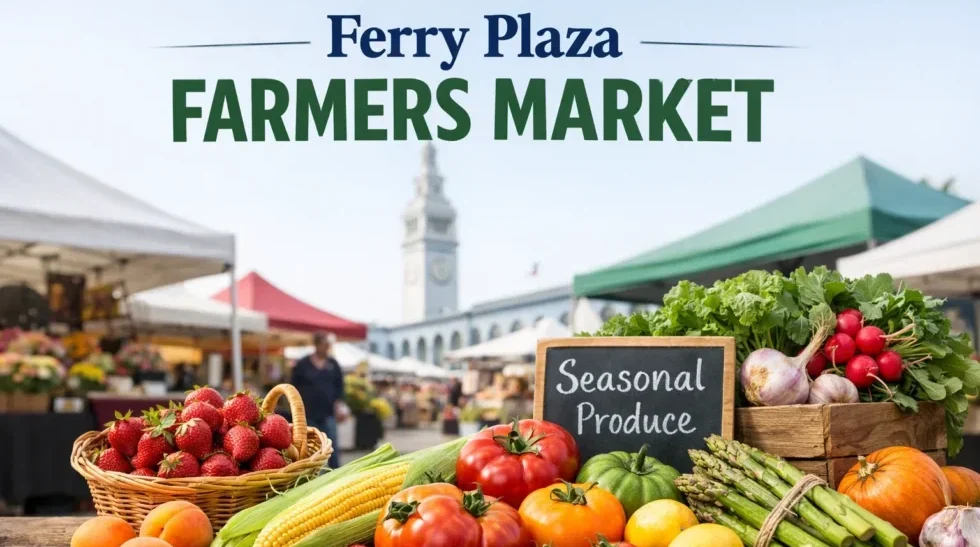
The sustainable food movement in California has reached a new pinnacle this spring 2026, centering its energy on the iconic Ferry Embarcadero in San Francisco. Every week, thousands of residents and culinary professionals gather at the Ferry Plaza Farmers Market to engage in a transparent food system that prioritizes soil health and biodiversity over industrial efficiency. This market is not merely a shopping destination; it is a vital economic engine for over 100 small-scale regional farmers and artisanal producers who define the “farm-to-table” ethos of the West Coast. For the consumer, understanding the 2026 harvest cycle and vendor rotations means gaining access to the highest nutrient density available in the Bay Area while supporting climate-smart agricultural practices. The consequences of shopping here extend beyond the kitchen, as the market serves as a living classroom for urban food security and seasonal literacy in an era of shifting climate patterns. This report is provided by the San Francisco Newsroom.
The 2026 Market Schedule: Tuesday, Thursday, and Saturday Logistics
Navigating the Ferry Plaza Farmers Market in 2026 requires an understanding of the three-day cycle, as each day serves a different purpose and features a unique set of vendors. The Saturday market remains the flagship event, sprawling across the front, back, and sides of the Ferry Building, featuring the largest array of diverse farmers and world-class street food. For those seeking a quieter, more chef-centric experience, the Tuesday and Thursday markets offer a curated selection of organic produce and pantry staples without the weekend crowds. Operating hours are strictly enforced to ensure farmers have adequate time for setup and breakdown, with most vendors arriving before dawn to display their harvests. Visitors should note that while the interior Ferry Building shops are open daily, the outdoor farmers market only occurs on these specific days. Planning your arrival for the “golden hour”—the first 60 minutes of opening—is the most effective way to secure rare varieties of produce that chefs often claim early in the morning.
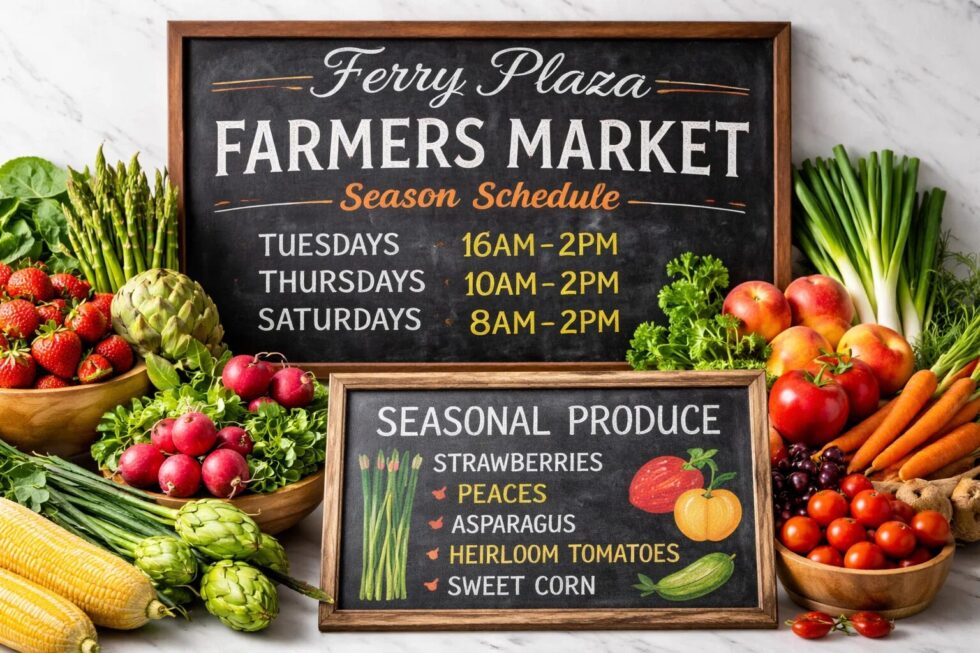
| Market Day | Operating Hours (2026) | Focus and Atmosphere | Recommended Arrival |
| Tuesday | 10:00 AM – 2:00 PM | Organic basics, lunch-goers, and local office workers. | 11:30 AM |
| Thursday | 10:00 AM – 2:00 PM | Artisan street food, flowers, and mid-week produce. | 11:00 AM |
| Saturday | 8:00 AM – 2:00 PM | Grand market, full farmer lineup, and live demos. | 8:30 AM |
| Interior Shops | 7:00 AM – 8:00 PM | Permanent vendors, meats, wines, and specialty gifts. | Any time |
| Holiday Hours | Check Official Site | Adjustments for Thanksgiving and Christmas weeks. | Early Morning |
Spring Harvest 2026: What to Buy Between March and May
As we move through the 2026 spring season, the Ferry Plaza Farmers Market is currently dominated by the “green wave” of cool-weather crops and the very first arrivals of high-elevation fruits. This year, the abundance of spring peas, fava beans, and asparagus is particularly high due to the mild, wet winter that saturated the Central Valley and coastal foothills. Shoppers should look for specialty items like green garlic and ramps, which have a very short window of availability but offer unparalleled flavor for spring pestos and roasts. The citrus season is also overlapping with the early stone fruit arrivals, providing a unique opportunity to find late-season Meyer lemons alongside the first cherries from the warmer microclimates of Brentwood. Expert foragers at the market are also showcasing an impressive variety of morels and chanterelles, which have benefited from the consistent soil moisture levels recorded this year. Buying during this window ensures you are getting produce at its peak vitamin content, as most of these items were harvested less than 24 hours before appearing on the stalls.
- Asparagus: Look for tight tips and firm stalks; the purple variety is currently a top trend for 2026 salads.
- Green Garlic: A milder, more herbaceous version of mature garlic, perfect for sautéing with spring greens.
- Heirloom Strawberries: Coastal farms like Dirty Girl Produce are seeing record-breaking sweetness in their early yields.
- Artichokes: Castroville-grown varieties are exceptionally large this year; choose those that feel heavy for their size.
- Fava Beans: A labor of love that rewards the cook with a buttery texture; look for pods that are bright green and plump.
- Nettles: Highly nutritious and medicinal; remember to handle with gloves until they are blanched or cooked.
- Pea Shoots: Delicate and crunchy, these are the ultimate 2026 garnish for upscale home cooking.
- Rhubarb: The tart, crimson stalks are appearing early this year, ideal for pairing with those first-of-the-season strawberries.
Summer Peaks: Navigating the 2026 Stone Fruit and Tomato Explosion
From June through September, the Ferry Plaza Farmers Market transforms into a vibrant mosaic of color as the heat of the inland valleys pushes sugar levels to their maximum in stone fruits and tomatoes. The 2026 summer season is expected to feature over 40 varieties of heirloom tomatoes, ranging from the classic Brandywine to the ultra-sweet Sungold cherry tomatoes. This is the period when the market’s Saturday attendance reaches its peak, as locals scramble for Blenheim apricots and Masumoto Family Farm peaches, which are legendary for their flavor profiles. For the best experience, consumers are encouraged to engage in “sensory shopping”—smelling the fruit and looking for the “bees-wax” finish on nectarines that indicates high sugar content. It is also the season for fresh corn, summer squashes, and an array of peppers that vary from the mild Jimmy Nardello to the intense heat of locally grown habaneros. Managing your market haul in the summer heat is critical; bringing an insulated bag or a “market cart” is a professional move to prevent delicate berries and leafy greens from wilting before you get home.
- Hydration Strategy: Drink water before arriving; the Embarcadero reflects significant heat during the 2026 summer afternoons.
- The “Soft Touch” Rule: Never squeeze the fruit; ask the farmer for a sample or a “ready-to-eat” recommendation instead.
- Tomato Storage: Never refrigerate your farmers market tomatoes; keep them at room temperature to preserve the cellular structure and flavor.
- Berry Care: Transfer berries to a flat container as soon as possible to prevent the weight from crushing the bottom layer.
- Corn Freshness: Look for husks that are bright green and moist; the silk should be stiff and dark, not wilted or slimy.
- Stone Fruit Ripening: Buy a mix of “firm” and “soft” fruit so you have a staggered supply of ripeness throughout the week.
- Herb Preservation: Treat fresh basil and mint like a bouquet of flowers; place the stems in water on your counter.
- Early Bird Advantage: Summer specialty items like “O’Henry” peaches sell out by 10:00 AM on Saturdays.
Artisanal Additions: Beyond Produce in the 2026 Marketplace
The Ferry Plaza Farmers Market is unique in its rigorous vetting process for non-produce vendors, ensuring that every loaf of bread, jar of jam, and wedge of cheese meets high artisanal standards. In 2026, we are seeing a surge in “regenerative dairy” products, where creameries are showcasing butter and cheeses from grass-fed herds that help sequester carbon. The bakery scene has also evolved, with a heavy focus on heritage grains like Red Fife and Sonora wheat, which offer deeper flavors and better digestibility than modern industrial wheat. Shoppers should not overlook the preserved goods section, where “shrub” mixers, fermented hot sauces, and pickled seasonal vegetables provide a way to enjoy the California harvest year-round. These artisanal products often have longer shelf lives than fresh produce, making them excellent gifts or pantry staples for the modern urban kitchen. Exploring the back plaza on Saturdays will reveal these hidden gems, including locally roasted coffee and small-batch olive oils that are often pressed just weeks before they reach the market stall.
Expert Selection Tips for Artisanal Goods:
- Heritage Bread: Look for long-fermentation sourdough; it should feel heavy for its size and have a deeply caramelized crust.
- Small-Batch Honey: Ask about the specific forage; “Star Thistle” and “Wildflower” honeys from 2026 have distinct local terroirs.
- Farm-Fresh Eggs: The yolk color in 2026 is exceptionally vibrant due to high-quality pasture access; check for clean, uncracked shells.
- Cultured Butter: Seek out high-fat content (82% or higher) for superior baking and flavor in simple toast preparations.
- Olive Oil Trials: Most vendors offer tastings; look for a “peppery” finish at the back of the throat, which indicates high polyphenol content.
- Fermented Foods: Check the “sell-by” date; true ferments are alive and will continue to evolve in flavor over time.
- Poultry and Meats: Saturday is the best day for pastured meats; talk to the ranchers about their specific grazing rotations.
- Floral Arrangements: Coastal flowers last longer; look for stems that are cut clean and have clear water in their display buckets.
Frequently Asked Questions
Is the Ferry Plaza Farmers Market open if it rains?
Yes, the market is open year-round, rain or shine. In 2026, vendors are well-equipped with canopies, and the market only closes in cases of extreme, unsafe weather alerts.
Are dogs allowed at the Ferry Plaza Farmers Market?
Technically, only service animals are permitted within the farmers market stalls due to California health codes regarding open food. Many owners wait with pets on the sidewalk areas nearby.
Do farmers accept credit cards or digital payments in 2026?
Almost all vendors now accept credit cards, Apple Pay, and Google Pay. However, carrying some cash is still recommended for small purchases (under $5) to help farmers avoid high transaction fees.
How do I get the “Market Match” for EBT/CalFresh?
Visit the Info Booth on the front plaza. In 2026, if you spend $10 of your EBT benefits, the market often matches it with another $10 for fresh fruits and vegetables.
Where is the best place to park for the Saturday market?
Parking is difficult and expensive. The best 2026 strategy is using the Embarcadero BART/Muni station or the ferry system, both of which stop directly across from the market.
Can I pre-order produce for pickup?
Some larger farms offer CSA (Community Supported Agriculture) boxes or pre-orders via their websites for Saturday pickup. Check individual farm social media for current 2026 links.
San Francisco News keeps the city, the Bay Area and the wider world informed with clear, useful reporting on what matters: Where can you see cherry blossoms in San Francisco 2026? Top spring bloom spots and peak dates guide