


San Francisco’s Asian Law Caucus 2026: Why is the Birthright Citizenship Supreme Court Case Decisive
Explore the 2026 Supreme Court fight for birthright citizenship led by the Asian Law Caucus. Understand the San Francisco roots of this historic 14th Amendment case and what it means
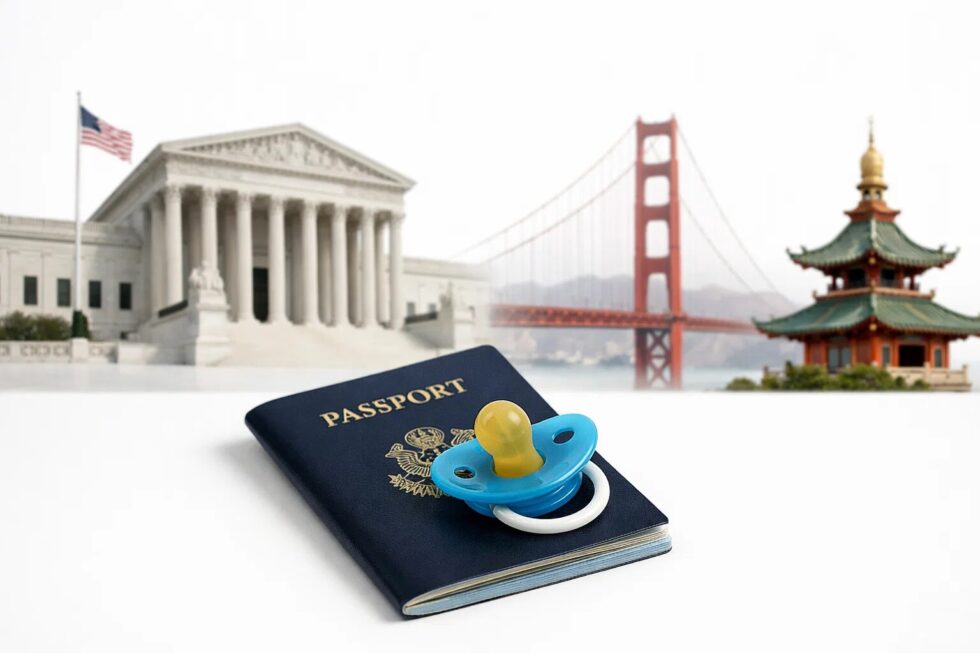
The legal landscape of the United States reached a historic fever pitch this week as the U.S. Supreme Court began oral arguments in a case that could redefine the American identity. At the heart of this constitutional storm is the San Francisco-based Asian Law Caucus, a civil rights powerhouse challenging President Donald Trump’s 2025 executive order. This order seeks to dismantle birthright citizenship—the 14th Amendment guarantee that anyone born on U.S. soil is a citizen—targeting children of undocumented immigrants and temporary visa holders. For millions of families in the Bay Area and across the nation, the outcome of this case is not merely a legal technicality; it is a fight for the right to exist as recognized citizens, with profound implications for social stability, voting rights, and the very definition of what it means to be “American” in 2026. This is reported by the San Francisco Newsroom, citing the sfstandard.
The Ghost of Wong Kim Ark: Historical Roots in San Francisco’s Chinatown
The current legal battle is deeply intertwined with San Francisco’s history, specifically tracing back to the landmark 1898 case of Wong Kim Ark. Wong, a Chinese American man born in San Francisco, successfully fought for his citizenship after being denied re-entry to the U.S. following a trip abroad. The Supreme Court’s 6-2 ruling in his favor over a century ago established the bedrock of birthright citizenship that President Trump now seeks to overturn. Today, attorneys like Kimberly Leung of the Asian Law Caucus view themselves as the modern vanguard of Wong’s legacy. The physical presence of Norman Wong, a descendant of the original litigant, at the Supreme Court rally this week served as a powerful reminder that the struggle for inclusion in San Francisco’s diverse community has come full circle in 2026.
- Historical Precedent: The 1898 United States v. Wong Kim Ark decision remains the primary defense for the 14th Amendment.
- Executive Order: Signed in early 2025, the order targets children of non-citizens and those on temporary visas.
- Litigation Team: A coalition including the Asian Law Caucus, ACLU, NAACP Legal Defense Fund, and Democracy Defenders.
- Lead Counsel: ACLU attorney Cecilia Wang, a Bay Area native and daughter of Taiwanese immigrants.
- Court Presence: President Trump attended the oral arguments, a move critics call an intimidation tactic against the judiciary.
- San Francisco Ties: Many key figures in the litigation, including Wang and Kohli, have deep professional roots in the Bay Area.
- Judicial Focus: Justice Ketanji Brown Jackson notably questioned the order’s impact on children born in historical incarceration camps.
- Timeline: A final decision from the Supreme Court is expected in late June or early July 2026.
The Legal and Social Stakes: Why 2026 is a Decisive Moment
The implications of the Supreme Court’s decision will be felt most acutely in immigrant-heavy hubs like San Francisco and the Silicon Valley. If the executive order is upheld, it would create a tiered system of residency, potentially leaving hundreds of thousands of children in a state of statelessness. Legal experts from the Asian Law Caucus argue that this would not only violate the text of the Constitution but also disrupt the economic and social fabric of California. The 2026 economic outlook for the state already faces challenges from federal policy shifts; a ruling that strips citizenship could lead to long-term issues with workforce participation, healthcare access, and public education funding. The following table illustrates the potential demographic and legal shifts depending on the court’s ruling.
| Potential Outcome | Legal Status of U.S.-Born Children | Impact on San Francisco | Long-term Consequence |
| Order Overturned | Immediate & Guaranteed Citizenship | Social Stability & Integration | Reinforcement of 14th Amendment |
| Order Upheld | Dependent on Parental Status | Surge in “Stateless” Residents | Massive Legal & Bureaucratic Chaos |
| Partial Ruling | Case-by-case (e.g., Visa type) | Increased Legal Costs for Families | Multi-tiered Residency Rights |
| Stay Granted | Temporary Protection | Prolonged Uncertainty | Political Polarization into 2027 |
| Legislative Pivot | Subject to Future Acts of Congress | Heightened Political Activism | Long-term Constitutional Debate |
Practical Advice: How Families Should Navigate the 2026 Legal Climate
For families in San Francisco who may be affected by the fluctuating status of birthright citizenship, proactive legal preparation is essential in 2026. The Asian Law Caucus and other local organizations are urging residents to consolidate their documentation and seek professional counsel before the summer ruling. While early media analysis suggests a majority of the justices may lean against the President’s order, the high level of political pressure makes the situation volatile. Experts recommend that parents currently on temporary visas or in the process of adjusting their status take specific steps to safeguard their children’s future documentation, regardless of the Supreme Court’s final word.
- Document Consolidation: Ensure all birth certificates, hospital records, and parental identification are stored securely.
- Legal Consultations: Reach out to groups like the Asian Law Caucus or Chinese for Affirmative Action for low-cost legal screenings.
- Stay Informed: Follow local Bay Area politics reporters and official Supreme Court bulletins rather than social media rumors.
- Community Support: Join local advocacy groups to stay updated on rallies and community-led legal clinics.
- Passport Readiness: For those eligible, ensure children’s U.S. passports are current and renewed well before expiration.
- Dual Citizenship: Explore the potential for dual citizenship through parental lines as a secondary safety net.
- Voter Participation: Stay engaged in local 2026 elections, as city and state protections often buffer federal shifts.
- Emergency Planning: Maintain a contact list of immigration attorneys specialized in 14th Amendment litigation.
The Voice of the Community: Rallies and Resistance in D.C. and SF
The energy surrounding the Supreme Court this week was palpable, with over 500 protesters gathered in Washington, D.C., many of whom traveled from the Bay Area. Grace Li, a native of the San Francisco region, highlighted the irony of the President’s stance, noting that his own children are descendants of immigrants. This sentiment reflects a broader feeling in San Francisco that the executive order is “un-American” and a betrayal of the city’s identity as a sanctuary for newcomers. The Asian Law Caucus has successfully mobilized this community energy into a structured legal challenge, proving that the civic spirit of Chinatown—born from the fires of the 19th-century exclusion acts—remains a potent force in American politics in 2026.
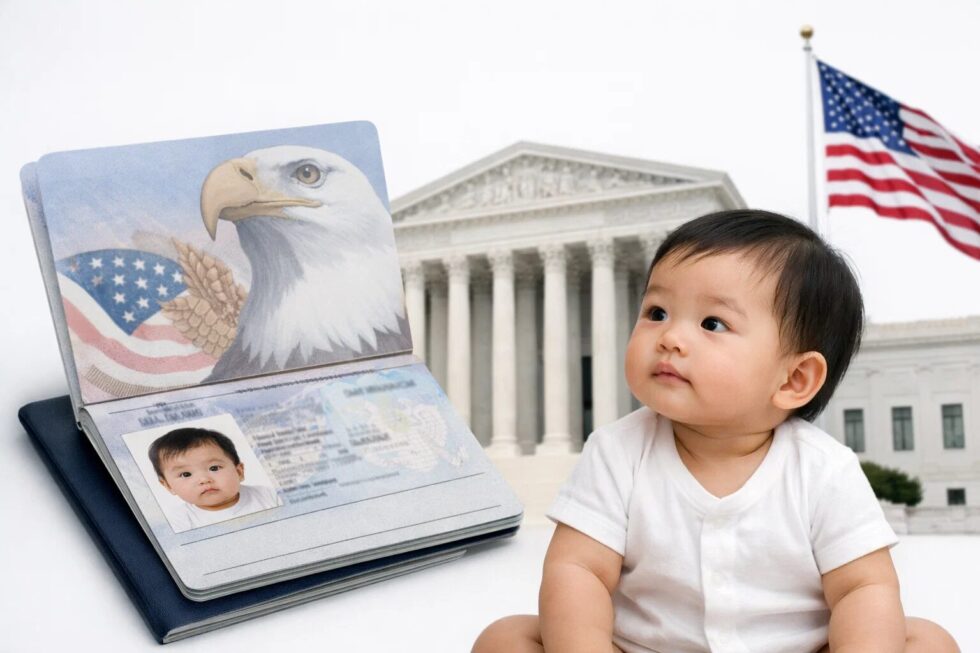
- Mobilization: Hundreds of Bay Area residents traveled to D.C. to support the Asian Law Caucus and its partners.
- Powerful Imagery: Signs highlighting the immigrant backgrounds of the Trump family resonated with the public.
- Legacy Connections: Descendants of historical civil rights litigants provided a living link to the 1898 Wong Kim Ark case.
- Professional Solidarity: Local law firms in San Francisco have offered pro-bono support to the litigation team.
- Educational Outreach: High schools in the Richmond and Sunset districts have integrated the case into civics curriculum.
- Public Sentiment: Polls in San Francisco show a 78% disapproval rating for the executive order on birthright citizenship.
- Social Media Impact: The hashtag #WongKimArk2026 has trended as a symbol of constitutional resilience.
- Interfaith Support: Various religious organizations in San Francisco have issued joint statements condemning the order.
Looking Ahead: The Late June Decision and Its Aftermath
As San Francisco awaits the Supreme Court’s decision in late June or early July 2026, the city remains on high alert. A ruling against the President would be celebrated as a triumph for the Asian Law Caucus and the principles of the 14th Amendment. However, a ruling in favor of the executive order could trigger immediate civil unrest and a flurry of emergency legislation from the California State Capitol in Sacramento. State officials have already hinted at creating “California Citizenship” or similar residency protections to shield U.S.-born children within the state’s borders. Regardless of the outcome, the work of the Asian Law Caucus has ensured that the voice of San Francisco’s immigrant community is heard at the highest level of government, defending a legacy that began on the streets of Chinatown over a century ago.
- Decision Window: Expected between June 20 and July 10, 2026.
- State Response: California Attorney General Rob Bonta has prepared immediate counter-litigation in case of an adverse ruling.
- Community Safety: Local police and community leaders are coordinating to ensure peace during the announcement period.
- Economic Buffers: City hall is exploring financial aid for families who may face sudden legal hurdles.
- Federal Repercussions: The ruling will set a precedent for executive power that will echo through the 2028 election cycle.
- Global Perspective: International human rights bodies are monitoring the case as a bellwether for democratic standards.
- Long-term Advocacy: The Asian Law Caucus plans to expand its constitutional defense programs regardless of the win.
- Final Reflection: As Aarti Kohli stated, “If a president can rewrite the Constitution with a stroke of a pen, none of us are safe.”
San Francisco as the Heart of the Constitutional Defense
The Asian Law Caucus has proven that San Francisco is not just a hub for technology, but a fortress for civil rights. By anchoring the 2026 birthright citizenship fight in the historical reality of Wong Kim Ark, they have forced the Supreme Court to confront the long-standing promises of the American Constitution. As the city waits, the message from the Bay Area is clear: the right to citizenship by birth is a fundamental pillar of the American experiment that cannot be extinguished by executive decree. In 2026, the fight for the 14th Amendment is the fight for the future of San Francisco itself.
Frequently Asked Questions
What exactly is birthright citizenship?
It is the legal principle, enshrined in the 14th Amendment, that any person born on U.S. soil is automatically a U.S. citizen.
Why is the Asian Law Caucus involved in this case?
As a San Francisco-based group, they represent the community most historically linked to the legal establishment of birthright citizenship through the 1898 Wong Kim Ark case.
What happens if the Supreme Court rules in favor of the President?
Children born to undocumented immigrants after the ruling could be denied U.S. passports and social benefits, potentially leading to a massive increase in stateless individuals.
When will the final decision be announced?
The Supreme Court typically issues its most significant rulings in late June or early July of the term, which in this case is 2026.
Is there any precedent for a President ending birthright citizenship?
No. Every major legal authority since 1898 has affirmed that birthright citizenship is a constitutional right that cannot be changed by an executive order, only by a Constitutional Amendment.
How does this affect people currently in San Francisco on H1-B or J-1 visas?
The executive order explicitly targets parents on “temporary visas,” meaning children born to tech workers or researchers in the Bay Area could lose their citizenship status if the order is upheld.
What can I do to help the Asian Law Caucus?
You can support their litigation through donations, volunteering for community outreach, or participating in organized rallies in San Francisco.
San Francisco News keeps the city, the Bay Area and the wider world informed with clear, useful reporting on what matters: Oahu Flood Crisis 2026: Survival Guide, Evacuation Protocols, and Infrastructure Alerts