



Is SF’s Closest Secret Worth the Wait? Inside the Tiny, High-Demand Commission Vault Museum
Discover SF’s exclusive Commission Vault Museum in 2026. A tiny 60sq ft closet in Golden Gate Park tracking 176 years of park history. Appointment-only tours, historical artifacts & photos
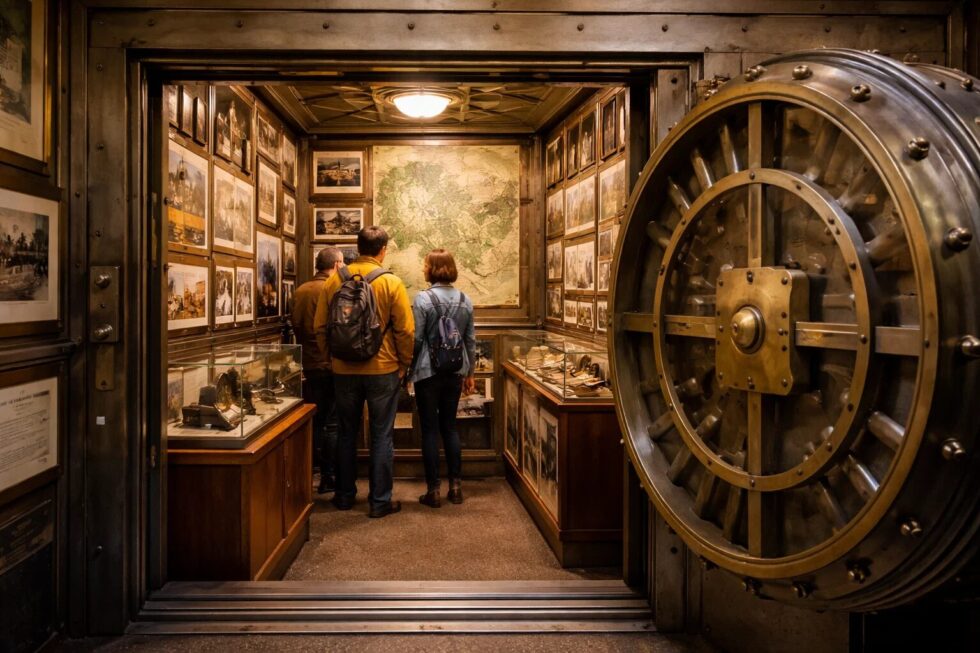
San Francisco has always been a city of hidden architectural gems, but in 2026, the most exclusive cultural destination is no larger than a standard walk-in closet. Tucked away inside the historic McLaren Lodge within Golden Gate Park, the Commission Vault Museum has become a viral sensation, forcing history buffs and curious locals to book appointments months in advance for a ten-minute glimpse into the city’s green past. This tiny sanctuary, once a high-security safe for carousel cash and later a dusty records room, now serves as a dense, 60-square-foot chronological map of San Francisco’s evolution from a 19th-century outpost to a modern metropolis. For the visitor, it offers an intimate, tactile connection to the city’s 230 parks—a stark contrast to the massive, often impersonal grand museums that dominate the tourist trails. This is reported by the San Francisco Newsroom, citing the sfgate.
The Transformation of a High-Security Vault into a Historical Time Capsule
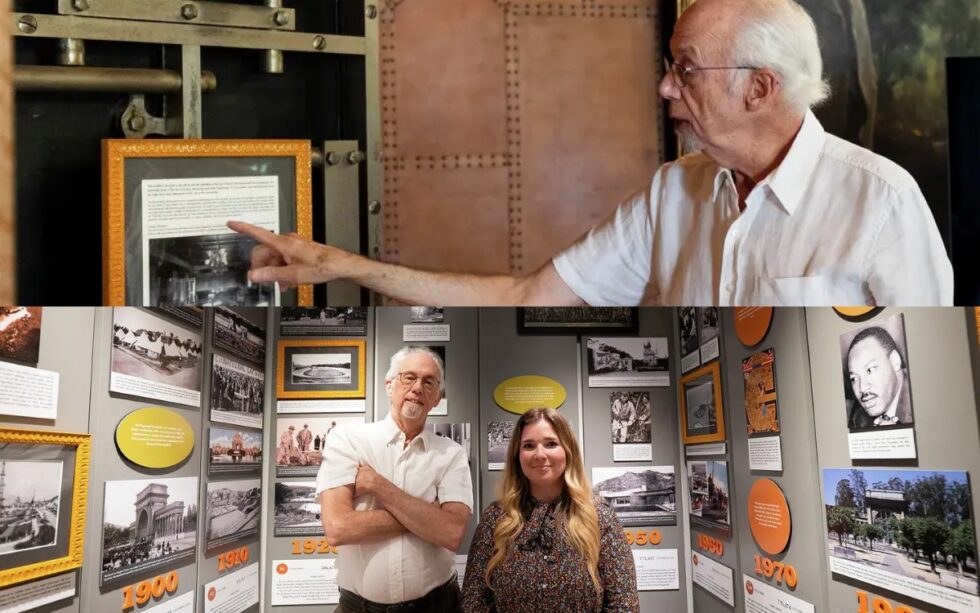
The Commission Vault Museum is located within an actual bank-grade vault inside McLaren Lodge, the headquarters of the San Francisco Recreation and Park Department. Originally designed with thick walls and a mechanical lock to store physical currency collected from park attractions like boat rentals and the historic carousel, the space eventually transitioned into a storage unit for beige filing cabinets containing over 2,500 historical documents. The museum’s creation was sparked by the digital revolution: as commission liaison Ashley Summers digitized these records—including handwritten notes from the 1870s and vintage scrapbooks—the physical space was liberated for public display. With a modest budget of under $10,000 for materials, and utilizing the department’s in-house carpenters and electricians, the team transformed a cramped storage room into a floor-to-ceiling exhibit.
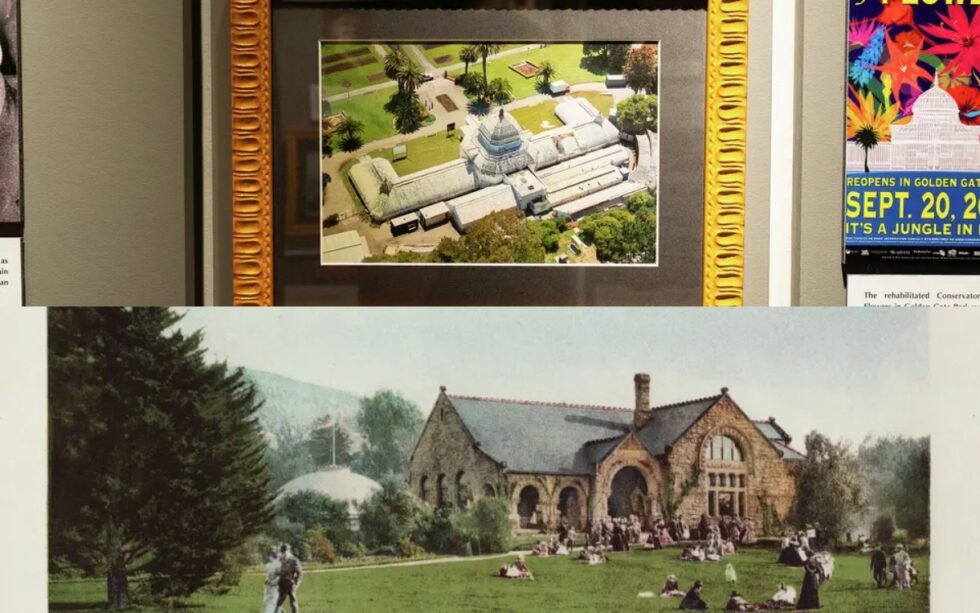
The result is a space where every square inch is utilized to tell a decade-by-decade story of the city’s parks, starting with the 1850s construction of Portsmouth Square. Visitors stand in the center of a 6-foot by 10-foot room, surrounded by archival photos that bring the past into sharp focus. For instance, a colorized 1896 photo of the very lodge where the museum sits shows a small palm shrub that has now grown into a towering 130-year-old tree visible just outside the window. This juxtaposition of “then and now” provides a powerful sense of continuity for a city that has survived earthquakes, fires, and rapid technological shifts.
- Space Dimensions: A mere 6 feet by 10 feet, making it one of the smallest museums in the United States.
- Archive Volume: Highlights from a collection of 2,500 digitized documents, including letters and park commission notes.
- Cost Efficiency: Created for less than $10,000 in materials by leveraging existing municipal staff expertise.
- Historical Range: Covers 176 years of history, from 1850 to the current developments of 2026.
- Security Feature: The museum still retains its original mechanical vault door, adding to the “hidden treasure” atmosphere.
- Staffing: Tours are personally led by historian-in-residence Christopher Pollock and liaison Ashley Summers.
- Artifact Highlights: Includes antique bronze letters from the original “San Francisco Playground Commission.”
- Visitation Capacity: Since opening, it has hosted fewer than 100 people due to its strict appointment-only policy.
Decades of Growth: Tracking San Francisco’s Green Expansion
As visitors move through the vault, they are presented with a staggering statistical look at San Francisco’s growth through its public spaces. Markers on the walls track the city’s population from a mere 35,000 residents with 14 parks in the mid-19th century to today’s population of over 800,000 served by 230 parks. The exhibit highlights the 1960s as the most prolific era for park development; thanks to federal funding for a “mini-park” program in 1968, the city added 52 new parks in a single decade. These tiny “pocket parks,” located at intersections like 24th and York or 18th and Utah, remain a defining feature of San Francisco’s neighborhood-centric urban planning.
The museum also pays homage to the human figures who shaped these landscapes, such as William Hammond Hall, who designed Golden Gate Park at the age of 24. A reproduction of Hall’s original topographic map is a centerpiece of the vault, allowing visitors to see the engineering brilliance required to turn sand dunes into one of the world’s premier urban forests. This focus on individual legacy extends to social activists like Laura Lyon White, whose 19th-century push for public playgrounds was inextricably linked to the movement for women’s suffrage. By documenting these connections, the museum illustrates that parks have never been just about grass and trees, but about civic rights and community resilience.
[Image showing the interior of the tiny Commission Vault Museum with archival photos on the walls and the original vault door]
| Era | Total Parks | SF Population | Major Development/Event |
| 1850s | 14 | 35,000 | Construction of Portsmouth Square |
| 1900s | 22 | 342,000 | 1906 Earthquake refugees camp in parks |
| 1960s | 120 | 715,000 | Federal Mini-Park Program (52 new parks) |
| 2000s | 210 | 776,000 | Restoration of the Conservatory of Flowers |
| 2026 | 230 | 808,000 | Completion of Sunset Dunes on Great Highway |
Curated Artifacts: From Grizzly Bears to Automobile Permits
The Commission Vault Museum manages to pack high-value artifacts into its hard plastic display cases, offering a tactile history of San Francisco’s leisure culture. One of the most fascinating items is a heavy iron seal press used in the early 1900s. When Golden Gate Park first opened to cars in 1901, the city had so few vehicles that the Park Commission issued individual licenses for drivers to cruise the grounds. Each permit was stamped by hand with this very press. This artifact serves as a reminder of a time when the “horseless carriage” was a novelty rather than a source of traffic congestion, reflecting the city’s early struggle to balance modern technology with public tranquility.
Other treasures include 1932 concert programs and 1960s brochures for Camp Mather, the city’s beloved mountain retreat. The walls also feature photographs of Monarch, the last California grizzly bear, who lived in a park enclosure until 1911. Monarch’s image is a somber reminder of the complex and sometimes controversial history of urban zoos and the evolution of wildlife conservation. By including these diverse items, the curators ensure that the museum isn’t just a celebration of parks, but a balanced look at the city’s cultural and social shifts over nearly two centuries.
- The Iron Seal Press: A manual tool for stamping the city’s first automobile permits for park access.
- Monarch the Grizzly: Archival photos of the bear that became the model for the California state flag.
- 1906 Refugee Photos: Documentation of the “tent cities” that saved thousands after the Great Quake.
- Camp Mather Memorabilia: Vintage brochures that showcase the history of San Francisco’s family camp in the Sierras.
- Antique Bronze Letters: Signage from the pre-1949 merger of the Park and Playground commissions.
- Topographic Maps: High-fidelity reproductions of the 19th-century engineering plans for Golden Gate Park.
- Concert Series Flyers: Programs from free Depression-era performances that provided public morale.
- Sharon Building History: Photos of the 1899 structure that transitioned from a “play house” to an art studio.
How to Visit: Navigating the 2026 Booking Crisis
Because the museum is located within an active administrative building (McLaren Lodge) and is so small it can only comfortably fit three to four people at a time, access is strictly controlled. As of April 2026, tours are generally conducted on a weekly basis, but the surge in interest from social media has resulted in a booking backlog that extends through July. Those wishing to visit must coordinate directly with the commission liaison, as there is no walk-in availability. For those unable to secure a spot, the department has made efforts to ensure the digitized versions of the vault’s contents are available through the San Francisco Public Library’s digital collections.
For the lucky few who secure an appointment, the experience is described as deeply personal. Historian Christopher Pollock and Liaison Ashley Summers often tailor their commentary to the specific interests of the guests, whether they are descendants of early park commissioners or landscape architecture students. The museum has become a place of “delight,” as Summers puts it—a venue where people discover their own family ties to the city’s green spaces. Whether it’s seeing a relative in an old concert photo or finding the “mini-park” they grew up playing in on the wall, the vault facilitates a rare form of historical intimacy.
- Book Early: Check the Recreation and Park Department website for the liaison’s contact info at least 3-4 months in advance.
- Verify Appointments: Since the vault is in a government building, schedules may shift based on commission meetings.
- Group Size: Limit your party to 2-3 people; any more will make the space feel uncomfortably cramped.
- Research First: Familiarize yourself with Golden Gate Park’s general history to ask the historian more targeted questions.
- Digital Backups: If you can’t get in, visit the SFPL website to view the digitized “Commission Vault” records online.
- Respect the Lodge: Remember that McLaren Lodge is a working office; keep noise levels low in the hallways.
- Combine Your Trip: Plan to visit the nearby Conservatory of Flowers or the AIDS Memorial Grove on the same day.
- Bring a Camera: Photography is encouraged, but avoid using flash to protect the archival photos on the walls.
The Future of SF’s Parks: Sunset Dunes and Beyond
The museum’s timeline does not end in the past; it purposefully leads up to the modern day, including the 2026 establishment of Sunset Dunes. This newest addition to the park system, created on a former stretch of the Great Highway, represents the city’s ongoing commitment to reclaiming urban space for pedestrian use and coastal preservation. By including current projects in the vault, the curators remind visitors that the history of San Francisco’s parks is a living document. The struggle for public space that began in Portsmouth Square in 1850 continues today in the debates over car-free spaces and urban rewilding.
The Commission Vault Museum serves as a powerful argument for the value of “micro-history.” In a world of digital overload, standing in a physical vault surrounded by the tangible evidence of 176 years of civic planning provides a much-needed sense of grounding. It proves that a museum doesn’t need thousands of square feet to tell a massive story. Sometimes, all you need is a closet, a few dedicated historians, and a community that cares deeply about the ground beneath its feet.
Frequently Asked Questions
Is the Commission Vault Museum free to visit?
Yes, the museum is free of charge, but because it is located in a secure government building and is extremely small, you must have a pre-arranged appointment.
Where exactly is the museum located?
It is inside McLaren Lodge, which is at the eastern entrance of Golden Gate Park (Stanyan and Fell Streets) in San Francisco.
Why is there such a long waitlist?
The room is only 60 square feet and tours are led by staff members who have other primary job duties, limiting the number of sessions per week.
Can I see the grizzly bear Monarch in the museum?
You can see high-quality archival photographs and learn about his history, but the actual taxidermied Monarch is housed at the California Academy of Sciences.
Is the museum accessible for people with disabilities?
Yes, McLaren Lodge is ADA compliant, though the interior of the vault is quite tight for larger motorized wheelchairs.
Can I donate old park photos to the museum?
The curators are interested in historical artifacts; however, you should contact the historian-in-residence first to see if your items fit the collection’s focus.
San Francisco News keeps the city, the Bay Area and the wider world informed with clear, useful reporting on what matters: San Francisco’s Mess Hall 2026: Why Is This Food Transformation Shaping the Presidio’s New Economy