



Energy Crisis 2026: San Francisco Fuel Prices Breach $6 Threshold Amid Global Supply Volatility
San Francisco gas prices hit a record $6 per gallon in April 2026. Detailed analysis of fuel taxes, SB-X1-2 regulations, and practical saving tips for Bay Area commuters.
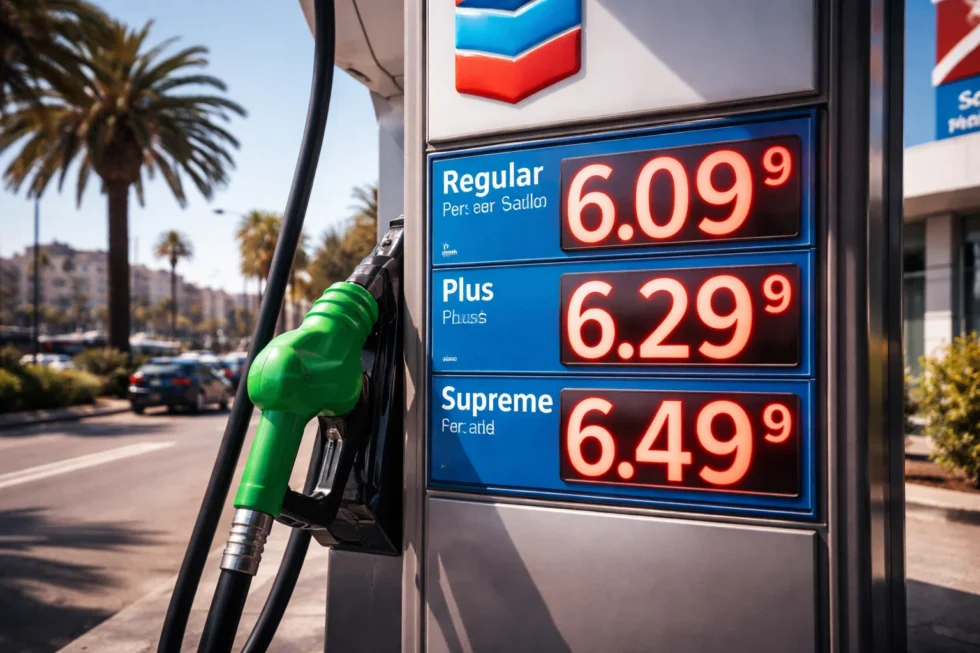
The California energy market reached a critical inflection point on April 6, 2026, as retail gasoline prices in the San Francisco Bay Area officially surged past the $6.00 per gallon milestone. According to the latest data from the California Energy Commission (CEC), the regional average for 87-octane unleaded fuel hit $6.04, a 14% increase since the beginning of the fiscal quarter. This escalation is driven by a convergence of restricted crude output from OPEC+ and the implementation of the state’s updated “SB-X1-2” transparency regulations, which have impacted refinery margins across the West Coast.
For residents and logistics providers, this price breach translates to an average monthly increase of $185 in commuting costs, threatening to dampen regional consumer spending during a period of fragile economic recovery. This report is provided by the San Francisco Newsroom.
Geopolitical Drivers and Market Volatility in 2026
The current price surge is fundamentally anchored in the international crude market, where Brent prices have stabilized above $105 per barrel. Supply chains remain under duress following the structural shifts in European energy procurement and stagnant production levels in the Permian Basin. Within California, the situation is exacerbated by the “Environmental Premium”—the combined cost of the Low Carbon Fuel Standard (LCFS) and the Cap-and-Trade program—which adds approximately $0.54 per gallon to retail prices.
Market analysts note that the scheduled refinery maintenance in the Central Valley, which took 8% of state capacity offline this month, has created a localized supply vacuum that cannot be easily filled by imports due to Jones Act maritime constraints.
“We are witnessing a structural realignment of energy costs; the $6 mark in the Bay Area is not a temporary spike, but a reflection of a new baseline in carbon-adjusted pricing,” — Energy Analyst Portfolio Statement, April 2026.
Regional Price Comparison and Tax Breakdown
- San Francisco City: $6.04 per gallon (Average).
- Marin County: $6.12 per gallon (Highest in the Bay Area).
- State Excise Tax: $0.596 per gallon (Adjusted July 2025).
- Federal Excise Tax: $0.184 per gallon (Fixed).
- Sales Tax & Local Fees: Approximately 10.25% cumulative at the pump.
Regulatory Framework: California’s SB-X1-2 and Industry Compliance
In 2026, the Division of Petroleum Market Oversight (DPMO) has intensified its scrutiny under the SB-X1-2 legislation, which mandates that oil refiners report daily gross margins to prevent “price gouging.” Under the current regulations, refiners must justify any profit margin exceeding the historical rolling average by more than 15%. While this was intended to protect consumers, some industry experts argue that the administrative burden and the threat of civil penalties have discouraged inventory hoarding during low-price cycles, leading to higher volatility when supply shocks occur.
The DPMO recently issued a bulletin stating that the current $6 threshold is “consistent with global crude trends,” though investigations into specific retail clusters in San Mateo remain active.
| Cost Component | Price per Gallon ($) | Percentage of Total |
| Crude Oil (Brent/WTI) | $3.22 | 53.3% |
| Refining Costs & Margins | $0.98 | 16.2% |
| Taxes (Federal, State, Local) | $1.28 | 21.2% |
| Distribution & Marketing | $0.56 | 9.3% |
Practical Implications for Bay Area Commuters and Business Owners
For the average San Francisco commuter traveling 30 miles daily, the $6 per gallon rate necessitates a strategic shift in transportation budgeting. Fleet operators are increasingly pivoting toward Heavy-Duty Electric Vehicles (HDEVs) or utilizing telematics to optimize routes, as fuel now accounts for 38% of total Opex for local delivery services.
The California Air Resources Board (CARB) has responded by accelerating the “Clean Cars 4 All” grants, which provide up to $9,500 for low-income residents to switch to zero-emission vehicles. However, for those reliant on internal combustion engines, the immediate priority is maximizing fuel efficiency through maintenance and behavioral changes.
Actionable Strategies for Fuel Cost Mitigation
- Utilize Rebate Programs: Apply for the 2026 Transit Credit if your fuel expenditures exceed 10% of your adjusted gross income.
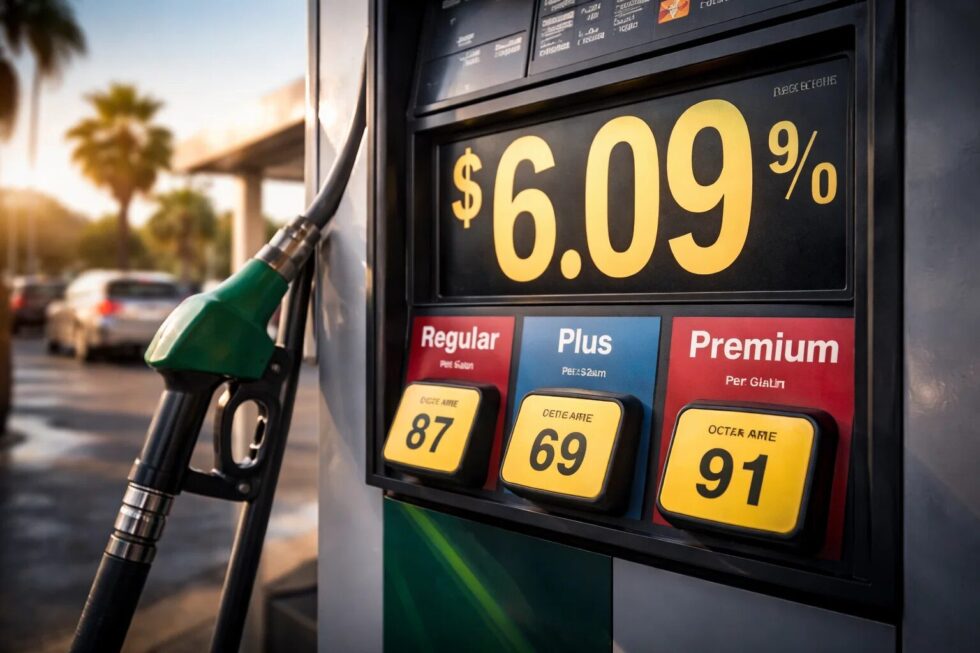
- Tiered Fueling: Avoid “Premium” 91-octane unless specified by the manufacturer; most modern engines perform optimally on 87-octane with no loss in efficiency.
- Predictive Apps: Use real-time monitoring tools like GasBuddy or the CEC’s Price Map to identify disparities of up to $0.40 between neighborhood stations.
- Public Transit Integration: The BART system has maintained its 2025 fare freeze, making it a viable alternative for transbay travel.
Future Outlook: Will Prices Retreat Below the $5 Mark
The consensus among the U.S. Energy Information Administration (EIA) and independent consultants suggests that $6 gasoline is likely to persist through the summer of 2026. The anticipated “cooling” of the market depends heavily on the completion of the Trans-Mountain Pipeline expansion and the potential easing of state-level blending requirements during the winter months.
However, with the “Advanced Clean Cars II” mandate nearing its next enforcement phase in 2027, the demand for traditional gasoline is expected to decline, which may ironically lead to higher per-unit costs as refineries scale down production. For now, the Bay Area remains the most expensive fuel market in the continental United States.
- Risk Factor: Continued geopolitical tensions in the Strait of Hormuz could push prices toward $7.50.
- Mitigation Factor: A potential federal gas tax holiday, currently being debated in Congress, could provide a temporary $0.18 relief.
- Economic Impact: High fuel costs are projected to shave 0.4% off California’s GDP growth for the fiscal year 2026.
San Francisco News keeps the city, the Bay Area and the wider world informed with clear, useful reporting on what matters: How much does it cost to rent an apartment in San Francisco in 2026