



Why Are San Francisco Doctors Training AI? The 2026 Crisis of Physician Side Hustles
Discover why San Francisco doctors are moonlighting as AI trainers in 2026. High cost of living and student debt are driving MDs into lucrative tech side hustles at companies like Mercor
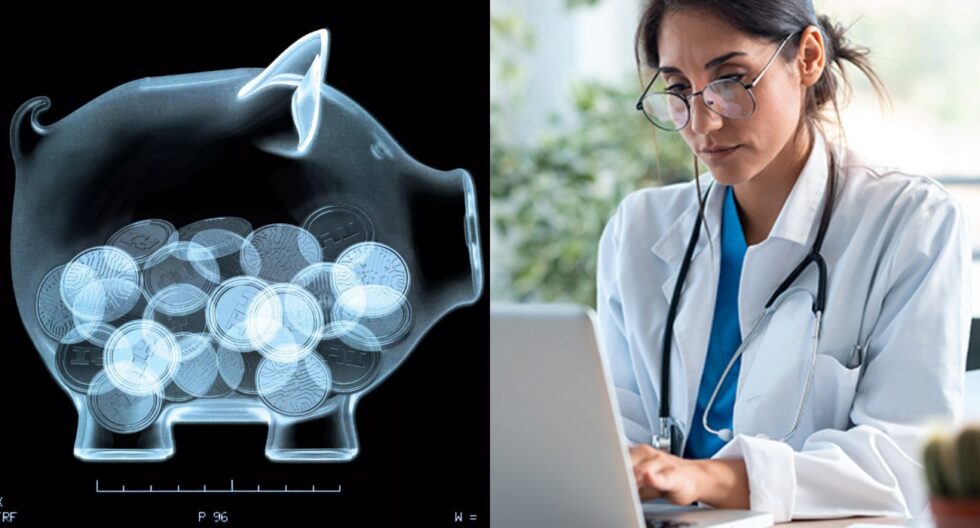
In the shadow of the Salesforce Tower and the luxury lofts of SoMa, a quiet professional migration is occurring. San Francisco’s world-class medical specialists are no longer just practicing medicine; they are moonlighting as “AI Tutors” to keep up with the Bay Area’s relentless cost of living. This phenomenon marks a pivotal shift in the 2026 labor market, where even those at the top of the socioeconomic ladder—physicians earning over $350,000—are forced to seek non-clinical side hustles to manage staggering student debt and housing prices. For the reader, this trend signals the end of the traditional “secure” high-income career and the rise of the specialized expert as a fuel source for generative intelligence. This is reported by the San Francisco Newsroom, citing the sfstandard.
The Economic Paradox of the San Francisco Physician
Living in San Francisco in 2026 requires a financial strategy that few other cities demand. While the median salary in the city hovers around $140,000, the entry point for a modest family home in a safe neighborhood often exceeds $2.5 million.
For physicians like Dr. Melania Punacha, a $375,000 salary sounds like wealth to the rest of the country, but in the Bay Area, it is a survival wage when paired with $400,000 in student loans. The Doximity 2025 report highlights that after adjusting for taxes and inflation, San Francisco doctors have less discretionary income than their counterparts in the Midwest, leading to a surge in secondary employment.
The reality for many local doctors is a 60-hour work week divided between high-stress hospital shifts and late-night AI training sessions.
These “tutors” are paid between $150 and $250 per hour to translate clinical jargon into structured data that AI models can digest. It is a sterile, low-stress environment compared to the life-or-death pressure of the ER. For many, the side hustle isn’t just about the money; it’s a psychological break from a healthcare system that many feel is increasingly broken and underfunded.
| Expense Category | San Francisco (2026 Est.) | National Average | Impact on Physician |
| Median Home Price | $1,850,000 | $420,000 | High mortgage-to-income ratio |
| Student Loan Payment | $4,500 / month | $2,500 / month | Delay in retirement savings |
| Private School Tuition | $45,000 / year | $12,000 / year | Standard for SF professionals |
| AI Side Hustle Rate | $200 / hour | N/A (Tech Hub specific) | Essential supplemental income |
Practical Advice for High-Debt Professionals:
- Refinance Early: With the 2026 interest rate adjustments, experts recommend auditing student loans every six months.
- Niche Down: AI companies pay 30% more for specialists (Radiologists, Cardiologists) than for general practitioners.
- Time-Boxing: Limit side hustles to 10 hours a week to avoid “clinical drift,” where hospital performance suffers due to screen fatigue.
Automation and the Fear of “Training Your Replacement”
A common criticism of this trend is that doctors are essentially building the tools that will eventually render their roles obsolete. McKinsey recently estimated that AI automation could save the U.S. healthcare system up to $360 billion annually by handling billing, prior authorizations, and even basic clinical guidance.
However, the consensus among Bay Area medical tech experts is that a total replacement is at least 20 years away. The current objective of generative AI in medicine is “augmented intelligence”—tools that help doctors work faster, not tools that replace the human touch in the exam room.

In 2026, the focus is on safety and legal compliance. AI labs cannot risk a “hallucination” in a medical diagnosis, which is why they are willing to pay a premium for human-in-the-loop verification. Doctors like Crystal Lin believe that by being the ones who train these models, they are ensuring the technology remains a partner rather than a competitor. This “if you can’t beat them, join them” mentality is prevalent in Silicon Valley, where doctors are increasingly viewing themselves as “Medical Co-pilots” rather than traditional healers.
How to Navigate the AI Transition:
- Focus on Procedures: AI excels at data (Radiology, Pathology) but struggles with physical procedures (Surgery, Physical Therapy).
- Learn Prompt Engineering: Understanding how to communicate with models is becoming a core competency for modern medical residents.
- Ethics Oversight: There is a growing market for physicians to serve on AI ethics boards to prevent bias in diagnostic algorithms.
Clinical Burnout and the Appeal of Tech Culture
Beyond the financial necessity, the migration to AI training is fueled by a desperate need for a better work-life balance. The 2026 healthcare landscape is marred by a projected national shortage of 86,000 physicians, leading to increased patient loads and administrative “bloat.”
For a doctor working a 12-hour night shift at California Pacific Medical Center, the opportunity to earn a high hourly rate from a laptop at home is an enticing escape. It provides a sense of autonomy that the modern hospital system—now largely dominated by massive corporate groups—has stripped away.
The “tech-adjacent” lifestyle also offers a sense of novelty and intellectual stimulation. Doctors in San Francisco are surrounded by the “hype culture” of Silicon Valley, and participating in AI development feels like being on the frontier of the next industrial revolution.
Instead of dealing with insurance denials and paperwork, they are solving technical problems and defining how a machine “understands” a heart murmur or a rare skin condition. This shift in focus is often enough to prevent total burnout and keep physicians in the workforce longer, albeit in a hybrid capacity.
Practical Steps for Entering the AI Training Market
For medical professionals in the Bay Area looking to diversify their income in 2026, the barrier to entry is surprisingly low but the competition for high-paying roles is fierce. Companies like Outlier (a subset of Scale AI) and Snorkel AI are looking for “Subject Matter Experts” (SMEs) who can commit to at least 15 hours of work per week. The interview process itself is often conducted by an AI agent, testing the physician’s ability to categorize information and provide nuanced, evidence-based feedback.
The most successful medical AI trainers in 2026 are those who can “break down” their knowledge. Writing for an AI is different from talking to a patient; it requires a structured, bulleted approach to symptoms and treatments, sorted by statistical importance. This technical writing skill is not taught in medical school, but it is becoming a lucrative asset in the San Francisco gig economy. As the city continues to grapple with its housing crisis, these digital side hustles are becoming the new “residency” for mid-career professionals trying to stay afloat in the world’s most expensive tech bubble.
Frequently Asked Questions
Is training AI legal under medical board guidelines?
Yes, as long as you are not providing direct patient care or sharing protected health information (PHI). These roles are classified as consulting or educational services.
How much can a doctor realistically earn from AI side hustles?
A dedicated specialist working 10–15 hours a week can earn an additional $80,000 to $120,000 annually, depending on their specialty and the complexity of the tasks.
Will I lose my hospital job if I take an AI side hustle?
Most hospitals do not prohibit non-clinical consulting, but it is essential to check your specific contract for “non-compete” clauses related to health-tech companies.
Which medical specialties are in the highest demand for AI training?
Radiology, Cardiology, Neurology, and Oncology are the top four. Any field that relies heavily on image interpretation or complex diagnostic trees is a priority for AI labs.
Does this work require coding knowledge?
No. Most platforms like Mercor use a user-friendly interface where you write in plain English (or the specific medical language required) and rate the AI’s output.
San Francisco News keeps the city, the Bay Area and the wider world informed with clear, useful reporting on what matters: What to see in Basel 2026? Top attractions, museums, and Rhine highlights for your city break now