



How San Diego’s New Parking Rules are Decimating Balboa Park Cultural Tourism in 2026
New parking fees in San Diego’s Balboa Park have triggered a 34% drop in museum attendance in early 2026. Explore how these rules and budget cuts are impacting local tourism
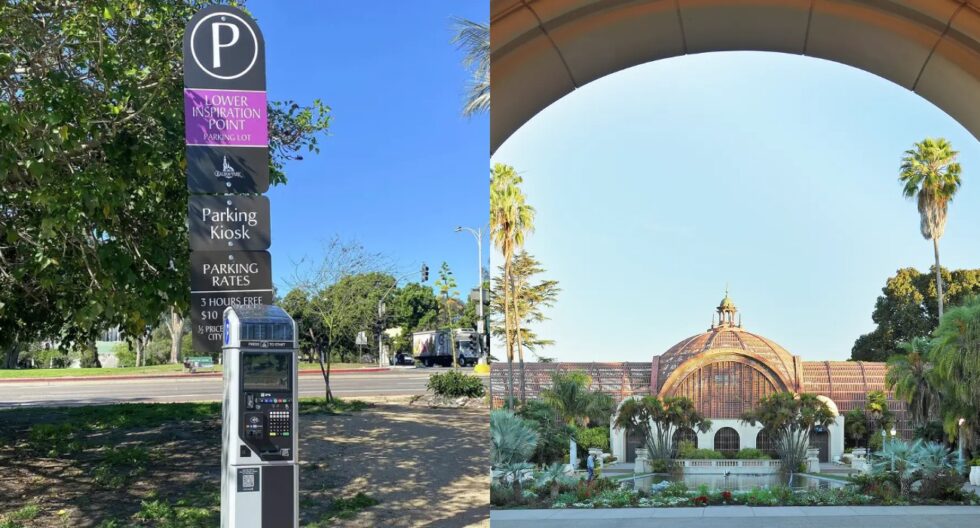
Balboa Park, the crown jewel of San Diego spanning 1,200 acres, is currently facing a cultural crisis that threatens the viability of its most cherished institutions. Since the controversial implementation of paid parking in January 2026, the historic site—home to 24 museums and prominent attractions—has seen a dramatic shift in visitor behavior. What was once an accessible urban sanctuary is now becoming a financial hurdle for local families and tourists alike.
This change is not just a matter of convenience; it is a fundamental shift that is driving visitors away and draining the lifeblood of the city’s artistic community. For the reader, understanding these new rules is essential for navigating the park without incurring unexpected costs or contributing to the further decline of these vital cultural hubs, reports San Francisco Newsroom with reference to sfgate.
The Steep Decline in Cultural Attendance and Revenue
The introduction of parking meters has sent shockwaves through the Balboa Park ecosystem, leading to an unprecedented drop in foot traffic. According to the Balboa Park Cultural Partnership, cultural attractions saw an average attendance decrease of 34% during the first three months of 2026 compared to the previous year. Smaller museums are suffering even more acutely, with some reporting a staggering 60% deficit in visitors.
This physical absence of people translates directly into financial instability for the institutions that rely on ticket sales and memberships. Experts warn that the negative public sentiment was solidified even before the first meter was activated, as the mere announcement of the fees sparked early calls for boycotts.
- Average Attendance Drop: A 34% decrease across all cultural landmarks was recorded in the first quarter of 2026.
- Small Museum Impact: Attendance at smaller venues has plummeted by as much as 60%.
- Total Revenue Loss: Combined museum income has decreased by $5 million in just one quarter.
- Future Projections: The partnership predicts a total loss of $10 million this year compared to last year.
- Direct Impact: Paid parking is cited as having a “direct and devastating impact” on these cultural organizations.
- Worsening Conditions: The report notes that with time, the impact is not improving but rather getting worse.
- Psychological Barrier: The “negative association” with paid parking is deterring visitors who once frequented the area for its free accessibility.
Analyzing the Parking Implementation Timeline and Costs
The transition from free to paid parking was a deliberate process that began with a San Diego City Council vote in September 2025. By January 2026, the infrastructure was fully operational, with meters installed across various lots throughout the park. While the city government highlights the revenue being generated through these fees, cultural organizations view this income as a barrier to entry.
The 1,200-acre park, which is roughly 1.5 times the size of New York’s Central Park, previously relied on ease of access to maintain its status as a top-tier travel destination. Now, visitors must factor in parking costs alongside admission prices, which has proven to be a significant deterrent for many residents.
| Parking Feature | Status as of 2026 | Impact on Visitors |
| Implementation Date | January 2026 | Immediate drop in attendance |
| Infrastructure | Physical meters installed in lots | Visual deterrent and added cost |
| Approval Date | September 2025 | Early calls for boycotts |
| Park Size | 1,200 Acres | Increased difficulty navigating for paid time |
| Institution Count | 24 Museums and Institutions | High variety of impacted sites |
| Revenue Generation | Millions of dollars for the city | Diversion of funds away from museums |
The Threat of Proposed Arts Budget Cuts
The financial pressure on Balboa Park is being exacerbated by broader city-wide fiscal strategies that target cultural funding. On April 20, 2026, San Diego Mayor Todd Gloria proposed a massive $11.8 million cut to the arts budget, representing an 85% reduction. This proposal comes at a time when museums are already struggling to fill the $5 million revenue gap created by the new parking policies.
If these cuts are approved, the combination of paid parking and reduced public funding could be catastrophic for the park’s future. Cultural leaders emphasize that these institutions are not just entertainment; they are major employers and community builders whose survival is currently in jeopardy.
- Proposed Budget Cut: Mayor Todd Gloria proposed cutting $11.8 million from arts funding.
- Percentage of Cut: This represents a staggering 85% reduction in the arts budget.
- Timing: The proposal was presented during a City Council meeting on April 20, 2026.
- Combined Deficit: Museums are facing both a $5 million quarterly revenue loss and potential public funding cuts.
- Staffing Risks: Executive Director Peter Comiskey warns that these losses mean a direct loss of personnel.
- Programming Risks: Major exhibitions and community programs face immediate cancellation.
- Administrative Crisis: The proposed cuts are intended to help balance the city’s budget.
The Human Cost: Staff Layoffs and Exhibition Cancellations
The loss of earned income for Balboa Park’s 24 museums and institutions has real-world consequences for the people who run them. When revenue drops by millions of dollars, the first casualties are often the staff and the very programs that draw visitors in. Peter Comiskey, the Executive Director of the Balboa Park Cultural Partnership, has stated that the impact is not improving over time but getting worse.
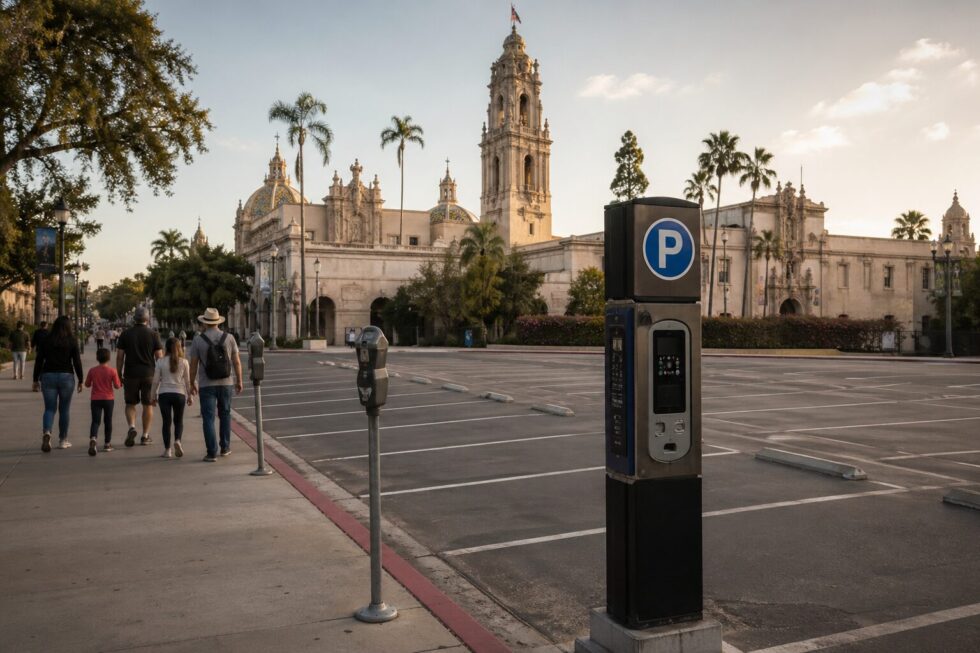
Without the necessary income, museums cannot afford to host the high-quality exhibitions that make San Diego a premier travel destination. This creates a “downward spiral” where fewer attractions lead to even fewer visitors, further deepening the crisis.
- Personnel Loss: Budget shortfalls are leading directly to the loss of museum staff members.
- Exhibition Decline: The ability to host new or traveling exhibitions is being severely hampered.
- Institutional Stability: Some smaller organizations may not survive the sustained loss of revenue.
- Community Impact: The park’s role as a home for 24 diverse institutions is at stake.
- Long-term Outlook: The cultural partnership notes that the impact is worsening as 2026 progresses.
- Economic Ripple Effect: Reduced museum revenue affects the entire local tourism economy.
- Accessibility Crisis: Higher costs disproportionately affect low-income visitors and families.
The Conflict Between City Revenue and Cultural Preservation
The heart of the debate in San Diego lies in the conflicting goals of the municipal government and the cultural sector. While city officials point to the millions of dollars generated by parking fees as a success for the city’s general fund, cultural organizations see this as a direct tax on the public’s access to art and science.
The city council’s vote in September 2025 reflected a need for new revenue streams, but the unintended consequence has been a 34% drop in visitors to the park’s cultural heart. This tension is coming to a head in April 2026 as the city attempts to balance its books by cutting the very funding that could help these museums recover from the parking-related slump.
- City Perspective: Parking fees are providing millions of dollars in new revenue for the city.
- Cultural Perspective: Fees are acting as a “destructive” force on cultural organizations.
- Council Decision: The move to paid parking was formalized in September 2025.
- Museum Identity: Institutions specialized in everything from art to aviation are losing their audience.
- Tourism Impact: Balboa Park is a major attraction, and its decline hurts San Diego’s reputation.
- Infrastructure Priority: The installation of meters across the park signaled a shift in park management priorities.
- Public Outreach Failure: Information about the start date of fees was lost amidst negative sentiment.
Visitor Strategies and Expert Recommendations
Navigating Balboa Park in 2026 requires more foresight than in previous years due to the metered parking and fluctuating attendance. For those who still wish to visit, experts recommend staying informed about the current parking rates and exploring the park’s less congested areas.
Despite the fees, museums are desperate for support and are working to maintain their programming amidst the financial turmoil. Visitors should be aware that their attendance is now more vital than ever to ensure these institutions remain open for future generations, especially given the proposed 85% cut to city arts funding.
- Be Aware of Meters: Look for newly installed meters in all major parking lots across the park.
- Support Small Museums: Smaller venues have seen a 60% drop and need visitor foot traffic most.
- Check Opening Hours: Financial strain may lead to reduced hours or staffing for some exhibitions.
- Voice Your Opinion: Local residents are encouraged to engage with the City Council regarding the proposed $11.8 million cuts.
- Plan Ahead: Factor in both the time and cost of parking when visiting the central promenade.
- Institutional Loyalty: Consider museum memberships to help offset the revenue losses from parking.
- Education First: Remember that Balboa Park houses 24 institutions ranging from art to aviation.
Frequently Asked Questions
How much has Balboa Park museum attendance dropped in 2026?
Attendance has decreased by an average of 34% in the first quarter of 2026 alone.
What is the impact on smaller museums in the park?
Smaller institutions have been hit the hardest, with visitor numbers dropping by up to 60%.
When did paid parking start in Balboa Park?
The San Diego City Council approved the fees in September 2025, and they officially went into effect in January 2026.
How much revenue have museums lost so far?
The combined revenue loss for park museums reached $5 million in the first quarter of 2026.
What are the proposed city budget cuts for the arts?
Mayor Todd Gloria has proposed an 85% cut to the arts budget, totaling $11.8 million.
Is Balboa Park larger than Central Park in New York?
Yes, at 1,200 acres, it is approximately 1.5 times the size of Central Park.
How many museums and institutions are located in Balboa Park?
The park is home to 24 museums and cultural institutions.
San Francisco News keeps the city, the Bay Area and the wider world informed with clear, useful reporting on what matters: San Francisco Water & Sewer Bills 2026: Why are Rates Rising and How to Save Money