



The Balboa Theater’s Century of Cinema: Why San Francisco’s Neighborhood Gem is More Vital Than Ever
Explore the Balboa Theater in San Francisco. A 100-year-old independent cinema gem in the Richmond District. Discover 2026 showtimes, 70mm screenings, and local community events
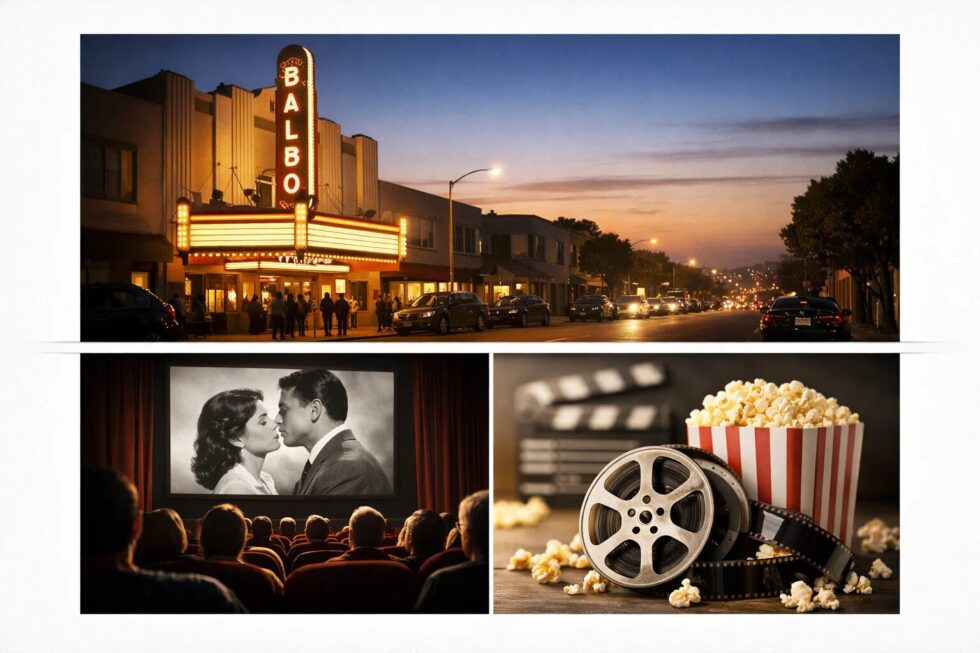
The Balboa Theater, a beloved cultural anchor in San Francisco’s Richmond District, has officially crossed the century mark, proving that the magic of neighborhood cinema remains indestructible in 2026. At a time when massive multiplexes are struggling and streaming fatigue has reached its peak, this two-screen independent house on Balboa Street is thriving by doing what it does best: curated community experiences. For San Franciscans, the theater isn’t just a place to watch a movie; it’s a living museum of the city’s architectural history and a defiant stand for local, independent business in an increasingly digital world. The survival and evolution of the Balboa offer a blueprint for how legacy businesses can adapt to modern tastes without losing their soul, reports San Francisco Newsroom with reference to sfchronicle.
A Century of Adaptation: From 1926 to the Digital Age
Opening its doors in 1926, the Balboa Theater has survived the Great Depression, the rise of television, the VHS era, and the seismic shifts of the pandemic. Its resilience is built into its walls—quite literally—as the theater has undergone strategic renovations that respect its classic Art Deco aesthetic while integrating cutting-edge 2026 projection technology. Today, it stands as one of the few remaining “neighborhood houses” that define the unique character of San Francisco’s Outer Richmond. The theater’s ability to pivot from mainstream blockbusters to cult classics, 70mm screenings, and local film festivals has turned it into a destination for cinephiles across the Bay Area.
In 2026, the Balboa has leaned into its status as a “community living room.” It’s no longer just about the screen; it’s about the curated craft beer list, the locally sourced popcorn toppings, and the post-film discussions that spill out into the foggy Richmond night. This shift toward “experience-based retail” has protected the theater from the decline seen by larger chains. By fostering a membership program that offers tangible local perks, the Balboa has turned casual moviegoers into invested stakeholders.
Curation vs. The Algorithm: Why Human Choice Matters
One of the primary reasons the Balboa thrives in 2026 is its rejection of data-driven programming in favor of human curation. While streaming platforms bury users in endless scrolls of “content,” the Balboa offers a point of view. The theater’s programmers hand-pick every film, often creating themed nights that become major social events. Whether it’s a “Noir November” retrospective or a late-night Godzilla marathon, these screenings offer context—expert introductions, Q&As with filmmakers, and a shared atmosphere that a home theater simply cannot replicate.
Furthermore, the Balboa has become a bastion for analog film preservation. Maintaining operational 35mm and 70mm projectors has attracted a younger generation of viewers who find the texture of physical film fascinating. These screenings are treated like live performances—craftsmanship that requires mastery. This has built a bridge between generations: older residents return for nostalgia, while Gen Z “tech-pioneers” from the Silicon Valley corridors seek out the Balboa for the authenticity missing from their digital-first lives.
| Feature | Balboa Theater (2026 Model) | Traditional Multiplex |
| Programming | Curated, Indie, Cult, Local | Mass-market Blockbusters |
| Technology | 4K Digital + Vintage 35mm/70mm | Standard Digital Only |
| Atmosphere | Historic Art Deco, Intimate | Corporate, Generic |
| Food & Drink | Local Craft Beer, Artisan Snacks | Large-chain Concessions |
| Events | Q&As, Live Music, Art Shows | Pre-show Ads Only |
| Community Role | Cultural Hub & “Third Place” | Commercial Transaction Point |
Practical Tips for Your Visit to the Richmond District
Visiting the Balboa in 2026 is a multi-sensory experience that requires some local savvy. Because the theater is nestled in a residential zone, parking can be difficult; locals recommend taking the 31-Balboa MUNI bus, which drops you right at the door. Plan to arrive at least 30 minutes early to explore the lobby gallery, which rotates monthly to feature different Richmond and Sunset district artists. If you are attending a special event, such as a “Total SF” movie night or a local documentary premiere, tickets often sell out weeks in advance.
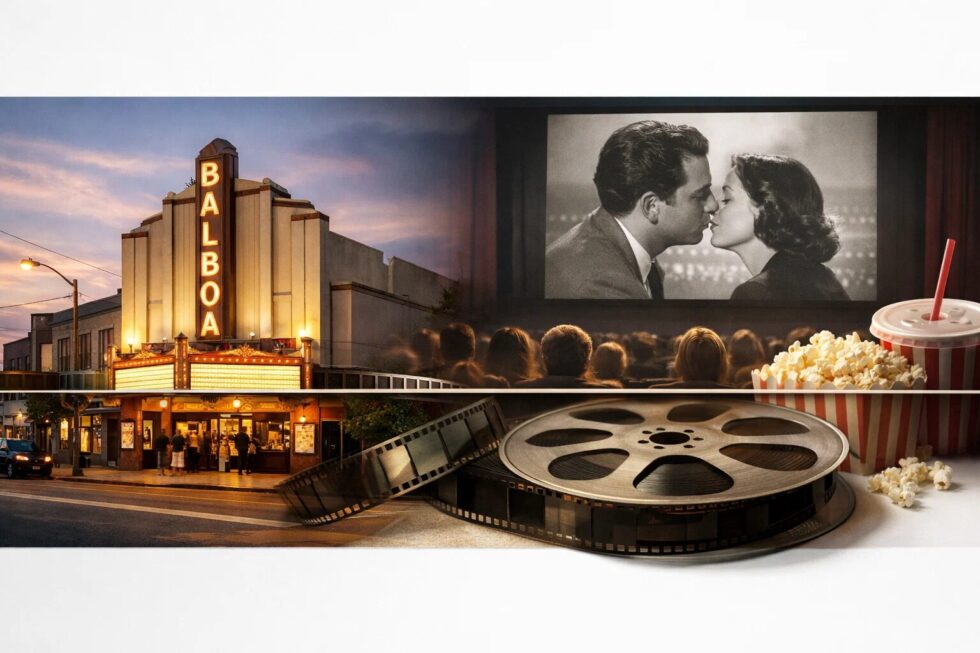
Beyond the film, the Balboa encourages a full-evening itinerary. After the credits roll, head to the nearby eateries that have flourished in the theater’s orbit. This synergy is a prime example of San Francisco’s “15-minute city” model in action. Whether you are a lifelong resident or a visitor, the Balboa offers a glimpse into the authentic spirit of San Francisco that thrives far away from the tourist traps.
- Book Early: Popular weekend screenings reach 95% capacity by Wednesday morning.
- Join the “Balboa Pass”: Membership offers significant discounts and early access to festivals.
- Try the Local Brews: The theater features a rotating tap from SF breweries like Fort Point and 21st Amendment.
- Check the Format: Look for “35mm” or “70mm” labels on the schedule for a vintage experience.
- Respect the Zone: Keep noise levels low when exiting late-night shows to support the neighborhood.
- Lobby Art: Don’t skip the lobby; the rotating exhibits are some of the best local art in the city.
- MUNI is Best: Take the 31-Balboa or the 38-Geary (then a short walk) to avoid parking tickets.
- Popcorn Seasoning: Ask about the “Secret Seasoning” – a local favorite made by a neighborhood spice shop.
The Future of Independent Cinema in San Francisco
As San Francisco looks toward the late 2020s, the Balboa Theater represents a beacon of cultural stability. It proves that heritage businesses aren’t just relics—they are essential infrastructure for social cohesion. The theater’s management has successfully integrated eco-friendly practices, including solar-offset projection and zero-waste concession packaging, aligning with California’s 2026 environmental mandates. This forward-thinking approach ensures the Balboa isn’t just celebrating its past century, but is actively preparing for the next one.
The Balboa’s success has spurred a movement among other SF neighborhoods to protect their local screens. There is a growing understanding that these venues are the “third places” that keep a city vibrant. By choosing the Balboa over a streaming service, San Franciscans are casting a vote for the city they want to live in—one that is diverse, historic, and undeniably human.
Frequently Asked Questions
Does the Balboa show new releases?
Yes, they feature a mix of first-run independent films and major releases that fit the neighborhood aesthetic.
Is it accessible for people with disabilities?
Following the 2025 upgrades, the Balboa is fully ADA-compliant with accessible seating and state-of-the-art hearing assistance.
Can I host a private screening?
Yes, the Balboa has become one of SF’s most popular venues for private premieres and corporate events in 2026.
What is the best way to get there from the East Bay?
Take BART to Montgomery Street and transfer to the 31-Balboa bus for a direct ride to the theater.
Is the popcorn actually better?
In 2026, the Balboa was voted “Best Popcorn in SF” for using real butter and locally sourced nutritional yeast blends.
How does the theater support local filmmakers?
Through monthly “Local Shorts” nights and by offering subsidized screen time for SF-based independent productions.
San Francisco News keeps the city, the Bay Area and the wider world informed with clear, useful reporting on what matters: Curtains Up 2026: Why San Francisco’s Theater Scene is Defying the Digital Trend