



Bay Lights return to San Francisco-Oakland Bay Bridge in March 2026 after nearly 3 years dark
Bay Lights return to San Francisco-Oakland Bay Bridge on March 20, 2026, after nearly 3 years, restoring iconic LED display and cultural landmark.
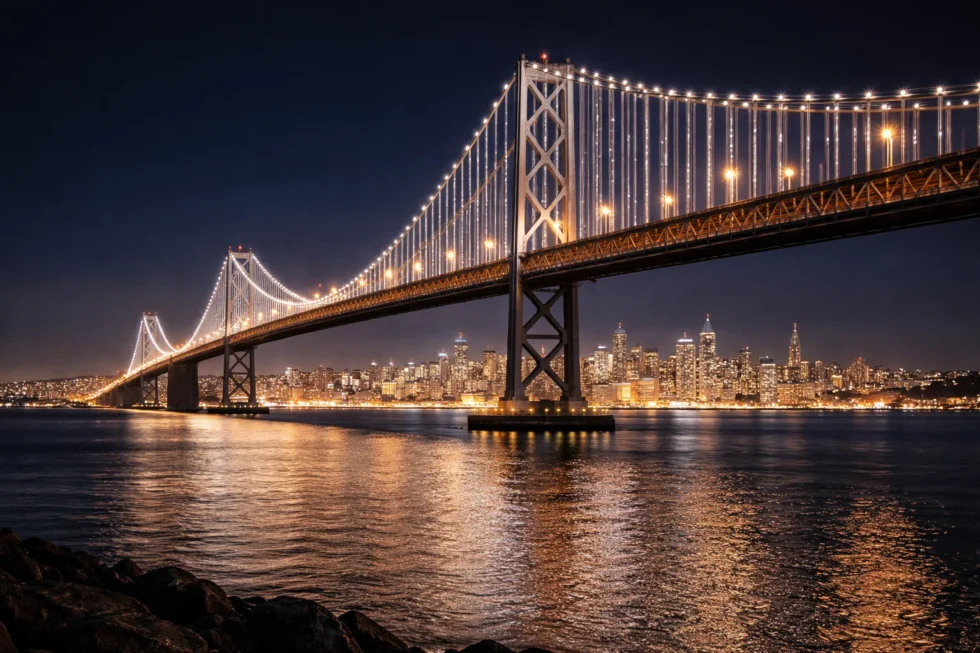
The Bay Lights on the San Francisco-Oakland Bay Bridge will be relit on March 20, 2026, marking the end of nearly three years of darkness caused by environmental wear on the original system. The $11 million project, funded entirely through private donations from more than 1,300 contributors, will restore the iconic 48,000-LED display designed by artist Leo Villareal. The relighting coincides with the 92nd birthday of former Mayor Willie L. Brown, for whom the western span is formally named. Nightly operation is planned from dusk to dawn, with full safety testing and phased visibility expansion to other Bay Area communities. Reports San Francisco Newsroom.
Project background and historical context of The Bay Lights
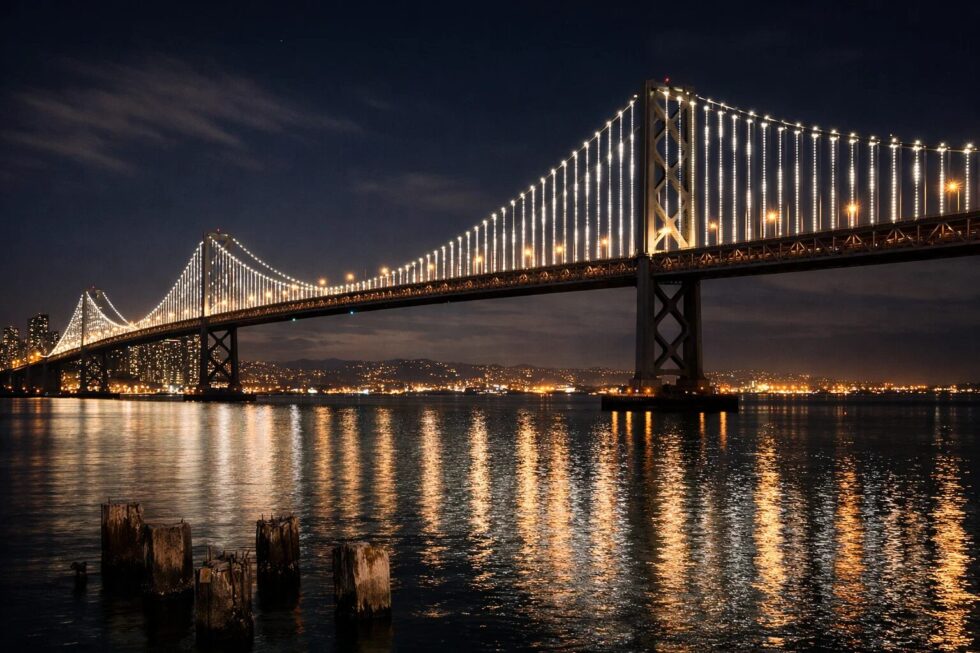
The Bay Lights first debuted in March 2013 as a temporary art installation across the northern cable plane of the Bay Bridge. Designed by Leo Villareal and funded privately, the system quickly became a landmark visible from San Francisco, Oakland, and surrounding Bay Area communities. In 2023, after a decade of operation, the lights were deactivated due to deterioration caused by marine environmental conditions including high wind loads, salt air corrosion, and structural vibration. The absence of the installation prompted public concern and fundraising efforts to restore it. Illuminate, a nonprofit dedicated to maintaining the display, announced the relighting after completing a full redesign and engineering rebuild.
Technical redesign and engineering improvements
The new system is a complete rebuild rather than a retrofit. Musco Lighting led the design and fabrication, ensuring all components are engineered for long-term durability in the bridge’s marine environment. The installation includes 48,000 custom LEDs arranged along the northern cable plane.
System specifications and durability measures
- LED configuration: 48,000 custom-programmed units
- Environmental resistance: Salt air, high wind, vibration, and corrosion mitigation
- Power requirements: Nightly operation from dusk to dawn, with automated controls
- Maintenance plan: Scheduled inspections and remote monitoring for reliability
According to project manager Adam DeJong, the system accounts for wind loads up to 70 mph, continuous exposure to salt spray, and dynamic vibration from bridge traffic. Every element was tested for corrosion resistance and long-term operational stability.
Funding and public-private collaboration
Illuminate confirmed that the $11 million relighting was funded entirely by private donors. Over 1,300 contributors participated, ranging from individual patrons to corporate sponsors. The project received no direct public funding. Ben Davis, founder and chief visionary officer of Illuminate, emphasized that the installation’s revival demonstrates sustained community support for public art and city identity projects. The funding model allowed the design team to implement specialized, purpose-built materials without cost compromises.
Event planning and public engagement
The relighting event is scheduled for March 20, 2026, timed to coincide with former Mayor Willie L. Brown’s 92nd birthday. The initial phase focuses on the primary north-facing display visible from San Francisco’s waterfront. A second phase, extending visibility to additional Bay Area neighborhoods, will occur after final agency reviews and safety certifications. Nightly operation will begin at dusk and continue until dawn.
Public access and viewing points
- San Francisco waterfront: Main viewing area for the north-facing display
- Yerba Buena Island: Partial views of northern cables
- Oakland waterfront: Visibility planned during second phase expansion
Illuminate plans to announce additional details about the relighting ceremony, including formal timings and public participation guidelines, in the coming weeks.
Safety, compliance, and regulatory review
Before full operation, the system underwent extensive safety assessments. Agencies involved include the California Department of Transportation (Caltrans) and the Bay Area Toll Authority. Compliance focused on:
- Electrical safety and grounding for LED arrays
- Structural attachment integrity under high winds
- Vibration impact on bridge cables and supporting infrastructure
Final approval ensures the installation can operate nightly without compromising bridge safety or vehicle traffic.
Economic and cultural impact
The Bay Lights are expected to contribute to San Francisco’s nighttime tourism economy. The installation has historically attracted local visitors and international tourists, supporting waterfront businesses and public transport usage. Illuminate anticipates that the restored lights will reinforce civic pride and cultural identity across the Bay Area.
Estimated economic contribution
| Metric | 2013–2023 | Expected 2026–2030 |
|---|---|---|
| Annual visitors | 2.5 million | 2.8 million |
| Local business revenue | $15 million | $18 million |
| Media coverage value | $5 million | $6 million |
Community involvement and volunteer opportunities
Illuminate maintains volunteer programs for programming events, educational workshops, and guided tours. Residents interested in supporting the installation can apply via the organization’s official website: www.thebaylights.org.
Volunteer eligibility
- Age 18+
- Commitment to scheduled events
- Training in LED operations or public engagement (optional)
Operational monitoring and maintenance
The new system includes remote monitoring to detect power anomalies, LED failures, and environmental impacts. Scheduled maintenance ensures uninterrupted operation, minimizing the risk of unexpected shutdowns.
Maintenance schedule
- Monthly: Visual inspection and remote system diagnostics
- Quarterly: Structural and electrical safety checks
- Annually: Full environmental stress testing
Future phases and expansion plans
After the initial relighting, Illuminate plans to extend visibility toward Oakland and other Bay Area communities. The phased rollout will follow safety certification and community consultation. Expansion may include interactive light patterns or coordinated events with city celebrations.
The March 20 relighting marks the return of an installation that had been absent for nearly three years. For residents and visitors, the Bay Lights restore a highly visible cultural landmark and contribute to tourism and civic identity. Daily operations will enhance nighttime aesthetics along the waterfront and reinforce San Francisco’s reputation as a city integrating art with infrastructure.
San Francisco News keeps the city, the Bay Area and the wider world informed with clear, useful reporting on what matters: Why the Black Choreographers Festival Is the Bay Area’s Must-Attend Dance Event