



California’s Sweeping Plastic Law 2026: Environmental Breakthrough or Inflation Driver
California’s SB 54 plastic law goes live in 2026. Learn about the 2032 recyclable mandate, grocery inflation warnings, and “chemical recycling” loopholes. What you need to know now
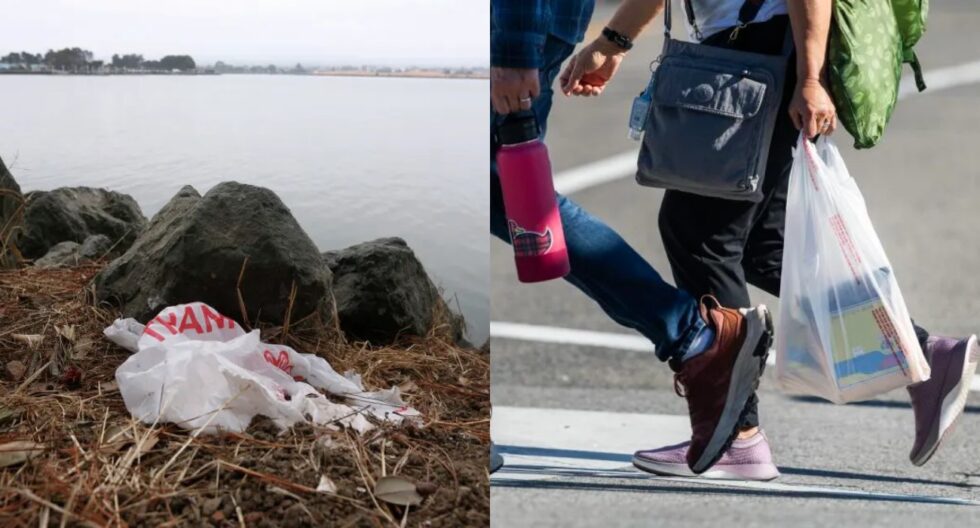
California has officially entered a new era of waste management as the landmark Plastic Pollution Prevention and Packaging Producer Responsibility Act (SB 54) goes live this May 2026. This aggressive legislation fundamentally shifts the financial burden of plastic pollution from taxpayers and local governments directly onto the manufacturers and packaging producers.
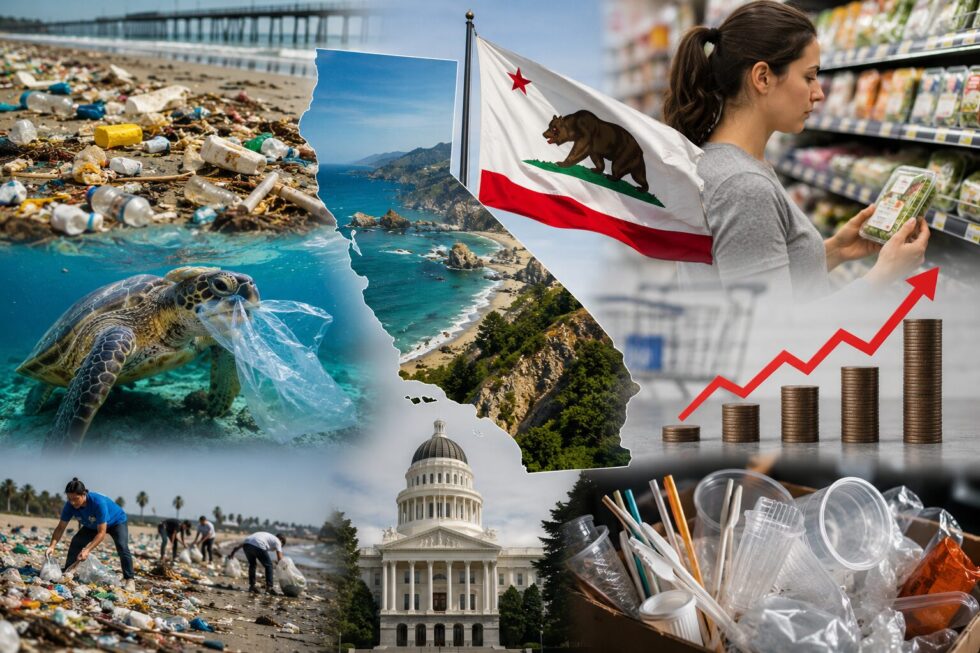
For Californians, this means every piece of single-use foodware must be recyclable or compostable by 2032, a move designed to drastically reduce the 2.9 million tons of plastic waste generated in the state annually. However, as the rules take effect, they have sparked a firestorm of controversy, with environmentalists decrying “loopholes” and the industry warning of a massive spike in consumer prices. This is reported by the San Francisco Newsroom, citing the sfgate.
The Mandates of SB 54: Transforming California’s Waste Landscape
The core of SB 54 is the principle of Extended Producer Responsibility (EPR), which mandates that companies producing single-use plastic must fund the infrastructure to recycle or compost it. By 2032, the state requires a 25% reduction in plastic packaging by weight and ensures that all food packaging is either fully recyclable or compostable.
This law is not just a suggestion; it is a forced evolution of the supply chain that requires companies to innovate or face heavy fines. In 2026, we are seeing the first wave of “Producer Responsibility Organizations” (PROs) taking charge of the compliance process, marking the end of the era where plastic waste was “someone else’s problem.”
Key Requirements of the Legislation:
- 2032 Deadline: 100% of single-use packaging must be recyclable or compostable.
- Source Reduction: A mandatory 25% decrease in plastic packaging weight by 2032.
- Producer Funding: Industry must pay $5 billion over 10 years for environmental mitigation.
- Material Redesign: Brands must shift from non-recyclable plastics to sustainable alternatives.
- Infrastructure Support: Fees will fund new recycling and composting facilities across the state.
The Price of Green: Potential Impact on Your Grocery Bills
The most significant concern for the average Californian in 2026 is “product inflation” driven by compliance costs. The Circular Action Alliance, which represents the packaging industry, warns that the new fees will significantly increase the cost of goods starting in 2027. For instance, the disposal cost for a standard PET bottle could rise by up to 1400%.
Analysts suggest that these overhead costs will inevitably be passed down to consumers, making everything from cleaning supplies to snacks more expensive. This economic reality has led groups like the National Association of Wholesaler-Distributors to question the law’s constitutionality and its impact on household budgets.
| Product Category | Est. Disposal Cost Increase | Potential Consumer Effect |
| Household Cleaners (PET) | 600% – 1400% | Significant price hikes on shelf |
| Takeout Foodware | High | Increased surcharges on fast food |
| Flexible Snack Packaging | Moderate-High | Higher costs for bagged snacks |
| Plastic Grocery Bags | Moderate | Direct fees at checkout |
| E-commerce Mailers | Moderate | Higher shipping and handling fees |
The “Chemical Recycling” Loophole: A Point of Contention
Environmentalists are outraged by what they call “forever loopholes” within the 2026 final regulations. The primary issue is the inclusion of “chemical recycling,” which activists argue is just a fancy term for a process that creates large amounts of hazardous waste. While the law technically forbids recycling that produces toxic outputs, the new rules allow these facilities if they are “properly permitted.”
Advocacy groups like Californians Against Waste fear that this concession to the plastic industry will allow companies to continue business-as-usual while technically checking the “recyclable” box. This debate has created a rift between state agencies and the very environmentalists who originally championed the bill.
Environmentalists’ Top Concerns:
- Hazardous Byproducts: High-heat recycling can release toxic chemicals into the environment.
- Delayed Oversight: Companies can claim exemptions that CalRecycle may not review for years.
- Eroding Intent: Critics say the new rules redefine “recyclable” too broadly.
- Federal Preemption: Some producers are using federal laws to bypass state plastic rules.
- Lack of Innovation: Loopholed rules may discourage brands from truly moving away from plastic.
Corporate Adaptation: How National Brands are Responding
Despite the legal and political friction, SB 54 has already fundamentally changed how major corporations think about their products. National fast-food chains and retailers are currently auditing their entire supply chains to ensure they don’t face massive liability for their packaging. Attorneys specializing in Extended Producer Liability note that companies are now mapping out franchise agreements and producer contracts to ensure compliance.
In the past, companies ignored what happened to their plastic after it left the store; now, the brand name on the bottle makes them legally responsible for its ultimate fate, leading to a new era of corporate accountability and material transparency.
Actions Companies are Taking Now:
- Supply Chain Mapping: Tracking every plastic component from production to disposal.
- Material Switching: Moving from multi-layer plastics to mono-materials for easier recycling.
- Franchise Regulation: Requiring all locations to use only state-approved packaging.
- Compliance Teams: Hiring experts to navigate the complex CalRecycle reporting requirements.
- Investment in Reusables: Exploring refill stations to avoid single-use plastic fees entirely.
Practical Tips for Californians: Navigating the New Plastic Era
As the law’s financial impacts begin to trickle down in late 2026 and 2027, consumers must be proactive to manage their costs. Opting for products with minimal or sustainable packaging—such as aluminum, glass, or paper—can help residents avoid the highest indirect fees.
Additionally, supporting local businesses that offer “refill” options for household goods is becoming a practical way to bypass the “packaging tax.” Staying informed through the CalRecycle portal and using the “Alertswiss”-style local waste apps can help consumers understand which products are compliant and which might carry higher surcharges at the grocery store.
- Choose Aluminum/Glass: These materials have better recycling rates and lower regulatory fees.
- Use Refill Stations: Bring your own containers for soaps and detergents where available.
- Monitor Surcharges: Be aware of new “environmental fees” on your receipts.
- Buy in Bulk: Fewer individual components per product reduces the “per-piece” fee impact.
- Report Violations: Use state portals to report brands that use non-compliant, non-recyclable materials.
A High-Stakes Milestone for Global Sustainability
California’s SB 54 is a bold, high-stakes attempt to solve the global plastic crisis by forcing the industry to pay for its own waste. While the 2026 rollout is plagued by legal threats and concerns over grocery inflation, the law has successfully forced the world’s largest companies to rethink their environmental footprint.
The ultimate success of this legislation will depend on whether the state can close the “chemical recycling” loopholes and whether consumers are willing to bear the initial costs of this transition. For now, California remains the world’s most important laboratory for a plastic-free future, with every other state—and the packaging industry—watching closely.
What is the main goal of SB 54?
To make all single-use packaging in California recyclable or compostable by 2032 and hold producers financially responsible for waste.
When will I see higher prices at the store?
Significant price impacts are expected to begin in 2027 as companies implement new fees and compliance costs.
Why are environmentalists suing the state over a “green” law?
They believe the final regulations allow for “chemical recycling” loopholes that produce hazardous waste and favor the plastic industry.
What is “Extended Producer Responsibility” (EPR)?
It’s a policy where the company that makes a product’s packaging is responsible for its collection, recycling, or disposal.
Will this law actually reduce plastic in the ocean?
The law aims to reduce plastic packaging by 25%, which should significantly decrease the amount of waste entering California’s waterways.
Who oversees this law?
CalRecycle is the state agency responsible for implementing and enforcing the regulations of SB 54.
San Francisco News keeps the city, the Bay Area and the wider world informed with clear, useful reporting on what matters: Why Is San Francisco Real Estate Surging Again as AI Wealth Reshapes the Housing Market in 2026