



Where to go in San Francisco in May: top attractions, hidden spots and local experiences in 2026
San Francisco in May 2026: best attractions, Golden Gate views, museums, food spots, parks, cable cars and local neighborhoods worth visiting this spring
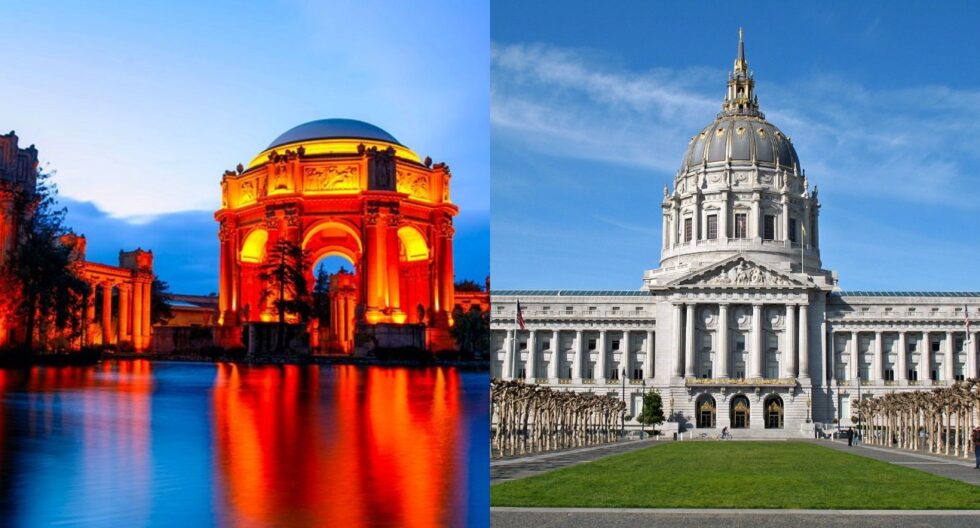
San Francisco enters one of its most photogenic and active travel periods in May as warmer temperatures, clearer Pacific views and longer daylight hours transform the city’s waterfronts, parks and historic districts into major tourist hotspots, berichtet Renewz.de. From the Golden Gate Bridge and Alcatraz Island to Mission District cafés, reported San Francisco Newsroom, Pacific coastline trails and spring events across the Bay Area, May is widely considered one of the best months to explore Northern California without the heavy summer crowds.
Unlike peak tourist season in July and August, May offers relatively mild weather, lower hotel pressure and clearer visibility across many of the city’s most famous viewpoints. Travelers arriving this month also benefit from seasonal outdoor festivals, blooming gardens in Golden Gate Park and more stable ferry schedules around the bay.
For visitors trying to understand San Francisco beyond postcard tourism, May creates an ideal balance between culture, technology, nature and neighborhood life. The city remains one of the most internationally recognizable urban destinations in the United States, attracting millions of visitors annually through its combination of coastal geography, startup culture, Victorian architecture and Pacific history.
Why May is one of the best months to visit San Francisco
Weather conditions in San Francisco during May are generally more comfortable than during the colder and foggier summer period locals often call “June Gloom.” Average daytime temperatures typically range between 17°C and 21°C, while evenings remain cool due to Pacific Ocean winds moving through the bay. This climate allows tourists to comfortably explore outdoor landmarks including Golden Gate Park, Crissy Field, Lands End and the Embarcadero without extreme heat. Hotel prices also tend to remain below peak summer rates, especially during weekdays outside conference periods.
Another major advantage of May is visibility. Many panoramic locations across San Francisco offer clearer skyline and bridge photography compared with the heavier fog months later in the summer. Travel experts often describe May as the moment when the city feels simultaneously active, green and visually open before the heavy tourist congestion arrives.
Average May conditions in San Francisco
| Factor | Typical Conditions |
|---|---|
| Daytime temperature | 17–21°C |
| Evening temperature | 10–12°C |
| Rainfall | Low |
| Tourist crowds | Moderate |
| Fog intensity | Lower than summer |
| Sunset time | Around 8 PM |
Golden Gate Bridge remains the city’s defining landmark
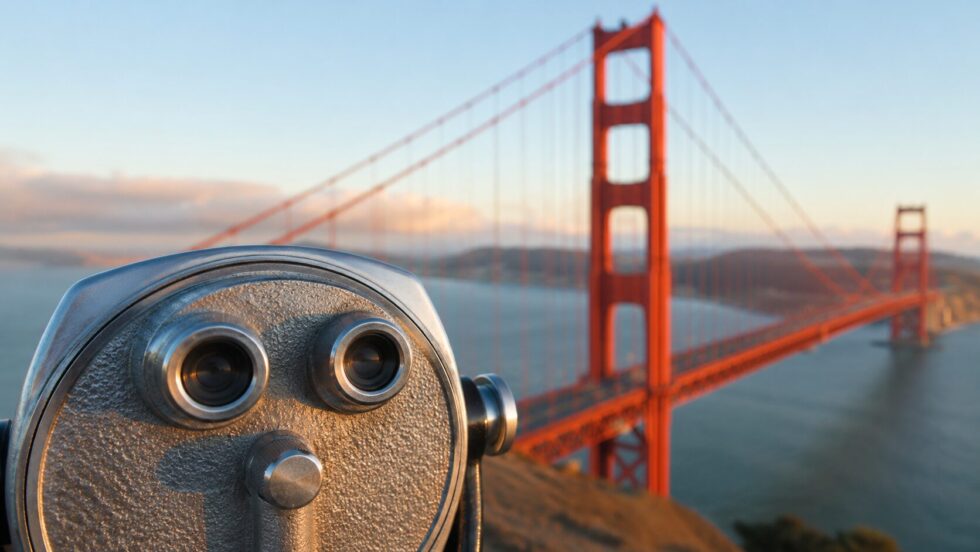
No visit to San Francisco is complete without experiencing the Golden Gate Bridge, which continues to attract millions of visitors each year. Opened in 1937, the bridge connects San Francisco with Marin County and stretches approximately 2.7 kilometers across the Golden Gate Strait. Walking the bridge in May is often easier due to calmer weather conditions and reduced fog. The most popular viewpoints include Battery Spencer, Crissy Field, Fort Point and Marin Headlands.
Photography conditions are especially strong during early morning and late afternoon hours when sunlight creates dramatic contrasts against the Pacific Ocean and the city skyline. Many travelers choose to cycle across the bridge toward Sausalito before returning by ferry. The Golden Gate Bridge is no longer simply infrastructure — it functions as one of the most recognizable visual symbols of California worldwide.
Best Golden Gate viewpoints
- Crissy Field;
- Battery Spencer;
- Fort Point;
- Baker Beach;
- Marin Headlands;
- Lands End;
- Golden Gate Overlook.
Alcatraz Island continues to dominate tourist demand
Alcatraz Island remains one of the highest-demand attractions in California, particularly during spring travel season. Located roughly 2 kilometers from San Francisco’s waterfront, the former federal prison housed notorious criminals including Al Capone and George “Machine Gun” Kelly. Ferries depart regularly from Pier 33, though tickets in May frequently sell out several days in advance. Visitors are drawn not only by the prison’s history but also by the island’s panoramic views over the San Francisco skyline and bay.
The self-guided audio tour remains one of the most praised museum-style experiences in the United States because former guards and inmates narrate parts of the story directly. For many travelers, Alcatraz represents the intersection of American criminal history, Cold War-era incarceration and Bay Area mythology.
“San Francisco itself is art,” actor Robert Redford once said while describing the city’s cultural atmosphere and urban landscape.
Alcatraz visitor information
| Detail | Information |
|---|---|
| Departure point | Pier 33 |
| Average visit | 2–3 hours |
| Main attraction | Former federal prison |
| Booking recommendation | Several days ahead |
| Best time | Morning departures |
| Popular feature | Audio tour |
Fisherman’s Wharf and Pier 39 remain major visitor hubs
Fisherman’s Wharf continues to serve as one of the busiest tourism districts in San Francisco. Located along the northern waterfront, the area combines seafood restaurants, ferry terminals, museums and bay entertainment into one concentrated zone. Pier 39 remains especially popular due to its sea lion colony, souvenir shops and waterfront dining. Visitors can also access bay cruises, Alcatraz ferries and historic cable car routes nearby.
Despite criticism from some locals who view the district as overly commercialized, the area still provides one of the easiest introductions to San Francisco’s maritime history and waterfront culture. May weather significantly improves walkability along the piers and public spaces. The district also functions as one of the city’s strongest economic tourism engines, generating substantial hospitality and retail revenue.
Most visited attractions around Fisherman’s Wharf
- Pier 39 sea lions;
- Musée Mécanique;
- Ghirardelli Square;
- Bay cruises;
- Aquarium of the Bay;
- Historic cable cars;
- Seafood markets.
Golden Gate Park becomes one of the city’s top spring destinations
During May, Golden Gate Park transforms into one of the most attractive green spaces in California. Stretching more than 1,000 acres, the park includes lakes, museums, botanical gardens, Japanese Tea Garden pathways and cycling routes. Spring vegetation peaks during this period, making the park especially popular among photographers and runners. Cultural institutions including the de Young Museum and the California Academy of Sciences also experience stronger attendance during May weekends.
The Japanese Tea Garden remains particularly popular because spring flowers and calmer temperatures create ideal walking conditions. Visitors increasingly combine museum visits with outdoor recreation, turning the park into a full-day destination rather than a short stop. Unlike many urban parks in the United States, Golden Gate Park combines nature, architecture and scientific institutions within one continuous public space.
What to visit inside Golden Gate Park
| Attraction | Why visitors go |
|---|---|
| Japanese Tea Garden | Spring scenery |
| de Young Museum | Art exhibitions |
| California Academy of Sciences | Aquarium and planetarium |
| Stow Lake | Paddle boats and walking |
| Conservatory of Flowers | Tropical plants |
| Botanical Garden | Seasonal blooms |
Mission District offers a completely different side of San Francisco
For travelers seeking local culture beyond traditional tourist routes, the Mission District remains one of San Francisco’s most important neighborhoods. Known for its murals, Latin American heritage, independent cafés and nightlife, the district reflects the city’s social and cultural diversity more directly than waterfront tourist zones. Valencia Street has become particularly popular among younger visitors because of its bookstores, coffee culture and independent restaurants.
The Mission is also home to some of California’s most famous burrito restaurants, many of which helped define modern West Coast Mexican-American food culture. Murals across Balmy Alley and Clarion Alley continue to attract photographers and street art enthusiasts from around the world. The district reflects the tension between historic community identity and ongoing tech-driven gentrification that continues shaping San Francisco today.
What visitors usually explore in the Mission
- Balmy Alley murals;
- Clarion Alley street art;
- Valencia Street cafés;
- Dolores Park;
- independent bookstores;
- Mexican restaurants;
- local nightlife spots.
Cable cars remain one of the city’s most iconic experiences
San Francisco’s cable cars continue operating as both public transportation and historical attraction. The Powell-Hyde and Powell-Mason lines remain the most visited routes because they connect downtown districts with waterfront areas and major hills. Riding the cable cars during May is considerably more comfortable than during crowded summer months. Tourists often line up early in the morning near Powell Street to avoid long waits later in the day.
The system dates back to the late 19th century and survives today as one of the few manually operated cable railway systems still functioning worldwide. Beyond transportation, cable cars symbolize San Francisco’s relationship with steep geography and historic urban engineering. For international tourists, riding a cable car often represents one of the defining emotional experiences of visiting the city.
Key cable car routes
| Route | Main areas |
|---|---|
| Powell-Hyde | Lombard Street, waterfront |
| Powell-Mason | Fisherman’s Wharf |
| California Line | Financial District |
| Cable Car Museum | Historic machinery |
Why San Francisco remains globally influential beyond tourism
San Francisco’s influence extends far beyond tourism due to its role in technology, venture capital, startup culture and global innovation networks. Silicon Valley’s proximity continues shaping the city’s economy, demographics and international visibility. Visitors increasingly combine traditional sightseeing with visits to tech campuses, AI conferences and innovation districts around the Bay Area. At the same time, San Francisco continues balancing deep historical identity with rapid economic transformation linked to the technology sector.
The city’s architecture, political history, LGBTQ+ culture, environmental activism and Pacific trade legacy continue making it one of the most internationally discussed urban regions in the United States. For many travelers, San Francisco represents not just a destination but a symbol of modern California itself — innovative, visually dramatic and constantly changing.
Chinatown remains one of the oldest and most atmospheric districts in North America
San Francisco’s Chinatown continues to attract visitors not only because of tourism but also because of its historical significance within the United States. Established during the 19th-century Gold Rush era, the district became a central point for Chinese immigration on the West Coast. Today, it remains one of the oldest and largest Chinatowns outside Asia. Grant Avenue and Stockton Street offer completely different experiences: one more tourist-oriented, the other functioning as a dense local commercial corridor filled with produce markets, herbal shops and bakeries.
May is considered one of the best periods to explore the district because milder temperatures make walking easier across the steep streets connecting Chinatown and North Beach. The neighborhood still preserves architectural elements, bilingual signage and community institutions that reflect more than a century of immigration history.
Popular places inside Chinatown
- Dragon Gate;
- Portsmouth Square;
- Tin How Temple;
- Golden Gate Fortune Cookie Factory;
- Stockton Street markets;
- traditional tea houses;
- historic herbal pharmacies.
Lombard Street remains one of the city’s most photographed roads
Lombard Street continues drawing enormous visitor traffic due to its famous curved section between Hyde and Leavenworth streets. Often called “the crookedest street in the world,” the road was redesigned in the 1920s to reduce the hill’s natural steepness. During May, flower beds surrounding the curves become particularly colorful, improving photography conditions significantly. Tourists frequently combine Lombard Street with nearby Russian Hill and cable car routes.
Despite its tourist reputation, Lombard Street also reflects San Francisco’s unusual relationship with topography and urban engineering. The surrounding area offers panoramic views over Coit Tower, the Bay Bridge and Alcatraz Island. Local residents have repeatedly debated how to manage growing tourist congestion around the street, especially during spring and summer months.
Best ways to experience Lombard Street
| Option | Details |
|---|---|
| Walking downhill | Most popular |
| Cable car access | Powell-Hyde line |
| Early morning visit | Fewer crowds |
| Photography spots | Upper intersections |
| Nearby cafés | Russian Hill area |
Ferry Building has become a major food destination
The Ferry Building along the Embarcadero has evolved from a historic transportation hub into one of California’s most respected food markets. Local chefs, artisan producers and specialty coffee companies operate inside the building throughout the week. The Saturday Ferry Plaza Farmers Market remains especially important within Northern California’s culinary scene. Visitors can find regional cheeses, seafood, pastries, organic produce and high-end bakery products from across the Bay Area.
The building itself dates back to 1898 and originally served as one of the busiest transit terminals in the United States before the construction of major bridges. Today it functions as both a historic landmark and modern food destination. For many visitors, the Ferry Building represents San Francisco’s fusion of local agriculture, startup-style food culture and Pacific trade history.
Most popular foods at Ferry Building
- artisan sourdough bread;
- California oysters;
- local cheeses;
- specialty coffee;
- organic strawberries;
- seafood chowder;
- handmade chocolate.
Lands End offers some of the city’s best Pacific Ocean views
Lands End remains one of San Francisco’s strongest natural attractions for travelers interested in coastal scenery and hiking. Located on the northwestern edge of the city, the area combines cliffs, forests, Pacific trails and Golden Gate viewpoints into one dramatic landscape. May weather often creates clearer coastal visibility compared with colder winter months. The Lands End Trail is especially popular among photographers and runners because of its ocean panoramas and rugged terrain.
The remains of the Sutro Baths near the shoreline also add historical character to the area. Once one of the world’s largest indoor swimming complexes, the site today functions as an atmospheric ruin overlooking the Pacific Ocean. The contrast between natural coastline and abandoned architecture makes Lands End one of the most visually distinctive areas in San Francisco.
North Beach combines Italian heritage and literary history
North Beach remains one of the city’s most culturally layered neighborhoods. Historically associated with Italian immigration, the district later became strongly connected with the Beat Generation literary movement during the 1950s. Today visitors still find independent bookstores, espresso bars and older family-run restaurants across the area. City Lights Bookstore continues attracting literature enthusiasts because of its historic connection to writers including Allen Ginsberg and Jack Kerouac.
Washington Square Park functions as the district’s central public space and becomes especially lively during spring afternoons. The area also provides relatively easy walking access between Chinatown, Coit Tower and Fisherman’s Wharf. North Beach remains one of the few San Francisco districts where literary history and neighborhood café culture still visibly overlap.
What visitors explore in North Beach
| Place | Why it matters |
|---|---|
| City Lights Bookstore | Beat Generation history |
| Washington Square | Public gatherings |
| Italian cafés | Espresso culture |
| Saints Peter and Paul Church | Historic architecture |
| Broadway area | Nightlife and music |
Dolores Park becomes one of the city’s social centers in May
Mission Dolores Park experiences a major increase in activity during May as warmer weather brings residents and tourists outdoors. The park offers wide skyline views across downtown San Francisco and remains especially popular among younger residents, tech workers and students. On sunny afternoons the hillsides fill with picnics, musicians and informal gatherings. Food vendors and nearby cafés in the Mission District further strengthen the area’s social atmosphere.
Unlike more traditional tourist attractions, Dolores Park gives visitors insight into everyday urban culture in San Francisco. The park also reflects the city’s long association with LGBTQ+ culture and progressive social movements. Many travelers describe Dolores Park as one of the best places to observe modern San Francisco’s lifestyle dynamics in real time.
Coit Tower remains one of the city’s strongest panoramic points
Standing atop Telegraph Hill, Coit Tower continues offering some of the broadest panoramic views across San Francisco Bay. Built in the 1930s, the tower is also known for its New Deal-era murals depicting California life during the Great Depression. Visitors can see the Bay Bridge, Alcatraz, downtown skyscrapers and North Beach from the observation deck. May’s clearer atmospheric conditions often improve long-distance visibility substantially.
The steep walk toward Telegraph Hill additionally allows visitors to experience quieter residential stairways and hidden gardens rarely associated with mainstream tourism. Wild parrots living around the hill have also become an unexpected local attraction. Coit Tower remains one of the few San Francisco landmarks where historical art programs and urban geography intersect directly.
Reasons tourists visit Coit Tower
- skyline photography;
- New Deal murals;
- bay panoramas;
- Telegraph Hill walks;
- parrot sightings;
- sunset viewpoints;
- historic architecture.
San Francisco museums become especially active during spring season
May is one of the busiest months for museum programming across San Francisco as institutions launch seasonal exhibitions and public events before summer tourism peaks. The San Francisco Museum of Modern Art, Asian Art Museum and Exploratorium all experience increased attendance during spring weekends. Many museums extend evening events, lectures and interactive programs during this period. The city’s strong relationship with technology and design also influences museum culture, particularly in science and digital art exhibitions.
The Exploratorium along Pier 15 remains especially popular among families because of its interactive installations focused on physics, perception and engineering. SFMOMA continues positioning itself among the leading modern art museums in the United States. San Francisco’s museum landscape reflects the city’s unusual combination of scientific innovation and creative industries.
Ocean Beach offers a different atmosphere from central tourist zones
Ocean Beach stretches along the city’s Pacific edge and presents a colder, more rugged atmosphere compared with the protected bay waterfront. Surfers, runners and photographers dominate the area rather than traditional sightseeing crowds. The beach becomes more comfortable during May as wind and rainfall levels generally decline. Nearby neighborhoods including the Sunset District provide a quieter, more residential side of San Francisco rarely explored by short-term tourists.
The coastline also attracts visitors interested in sunsets, long-distance walking and Pacific photography rather than structured attractions. Due to dangerous currents, swimming is limited and often discouraged. Ocean Beach highlights the raw Pacific geography that shaped San Francisco long before it became a global technology hub.
What makes Ocean Beach different
| Feature | Description |
|---|---|
| Pacific waves | Strong surf conditions |
| Atmosphere | Less tourist-focused |
| Best activity | Walking and photography |
| Nearby area | Sunset District |
| Sunset views | Highly popular |
The Presidio has transformed into one of the city’s key public spaces
The Presidio, once a military installation, has become one of the largest urban park projects in the United States. Located near the Golden Gate Bridge, the area now combines forests, museums, coastal trails and former military buildings adapted into cultural and commercial spaces. The Presidio Tunnel Tops project significantly increased visitor numbers by adding new observation zones and public recreation areas. Families, cyclists and hikers now use the area extensively during spring weekends.
The Walt Disney Family Museum inside the Presidio also attracts international visitors interested in animation history and media culture. Large eucalyptus groves and coastal paths create a noticeably calmer environment compared with downtown districts. The Presidio demonstrates how former military infrastructure can be reimagined as long-term urban public space.
San Francisco nightlife shifts noticeably during May weekends
As temperatures rise and daylight hours extend, nightlife activity across San Francisco intensifies in May. Rooftop bars, live music venues and cocktail lounges experience stronger attendance, especially around SoMa, North Beach and Mission District. The city’s nightlife remains more fragmented and neighborhood-based compared with Los Angeles or New York. Instead of large centralized entertainment zones, San Francisco operates through clusters of smaller venues and local scenes.
Jazz clubs, underground electronic events and independent concert spaces continue shaping the city’s evening culture. Areas near Market Street and Mission District especially attract younger crowds connected to the tech sector and creative industries. The city’s nightlife reflects San Francisco’s long-standing mix of counterculture history and modern startup economy.
Bay cruises become more popular during spring visibility conditions
Boat tours across San Francisco Bay experience strong demand during May because of calmer weather and improved skyline visibility. Many cruises operate around Alcatraz Island, under the Golden Gate Bridge and toward Sausalito or Angel Island. Sunset cruises become particularly popular among international tourists seeking panoramic photography opportunities. Ferry systems around the bay also function as practical transportation rather than only tourism infrastructure.
Unlike many coastal cities, San Francisco’s maritime geography remains deeply integrated into daily urban movement. The Bay itself continues shaping weather, architecture and transportation patterns across the entire region. For many visitors, seeing San Francisco from the water provides a more complete understanding of the city’s geography than exploring only downtown streets.
Most common bay cruise options
- Golden Gate cruises;
- sunset catamaran tours;
- Alcatraz ferry routes;
- Sausalito ferries;
- Angel Island trips;
- whale watching excursions.
Silicon Valley day trips remain popular among international visitors
Many tourists visiting San Francisco also organize day trips toward Silicon Valley to explore the global center of technology and venture capital. Palo Alto, Mountain View and Cupertino attract travelers interested in startup culture, AI companies and technology campuses. Although many corporate headquarters remain closed to casual tourism, visitors still explore public visitor centers, company stores and surrounding innovation districts. Stanford University additionally functions as one of the region’s major attractions.
The relationship between San Francisco and Silicon Valley remains economically interconnected despite being geographically separate urban environments. Tech industry growth continues affecting housing, transportation and demographics across the Bay Area. For international visitors, Silicon Valley represents both a real economic ecosystem and a global cultural symbol of modern innovation.
Japantown preserves one of the oldest Japanese communities in the US
San Francisco’s Japantown remains one of only a few historic Japantowns left in the United States. The district contains Japanese restaurants, bookstores, cultural centers and shopping complexes centered around Peace Plaza. During May, spring festivals and outdoor events frequently increase activity across the area. Visitors often explore the district for ramen restaurants, Japanese stationery stores and anime-related retail spaces.
The neighborhood also reflects the historical impact of Japanese immigration and the legacy of World War II internment policies in California. Cultural institutions continue preserving community history through exhibitions and public programming. Japantown offers a quieter but culturally significant alternative to the city’s larger tourist districts.
Twin Peaks remains one of the strongest nighttime viewpoints
Twin Peaks provides one of the highest publicly accessible viewpoints in San Francisco and becomes especially popular during clear May evenings. From the summit visitors can see downtown, the Bay Bridge, Golden Gate Bridge and large sections of the Pacific coastline simultaneously. The location attracts photographers, especially at sunset and after dark when the city lights become visible across the hills. Wind conditions remain strong even during spring months, so warmer clothing is usually recommended.
Unlike heavily urbanized tourist zones, Twin Peaks emphasizes San Francisco’s mountainous geography and dense neighborhood layout. Roads leading toward the summit also reveal how dramatically elevation shapes the city’s architecture and transportation systems. Many travelers consider Twin Peaks the best location for understanding San Francisco’s physical scale and topography in a single panoramic view.
San Francisco News keeps the city, the Bay Area and the wider world informed with clear, useful reporting on what matters: Is the Iconic Balboa Island Frozen Banana a Myth? The Truth Behind Newport’s Favorite Treat