



How San Francisco parking apps and online reservations are changing city driving in 2026
San Francisco launches new parking apps and online garage reservations in 2026, allowing drivers to extend meters remotely and reduce traffic congestion
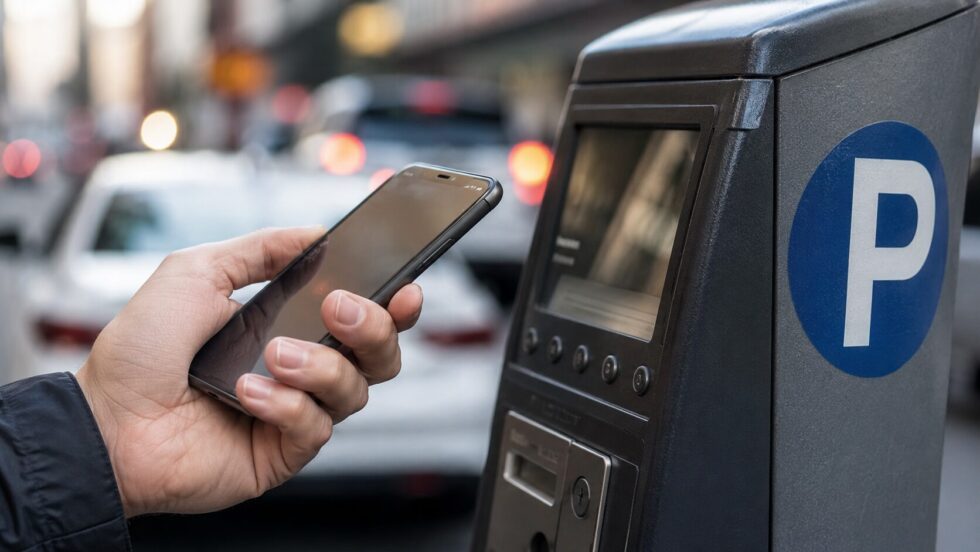
San Francisco is accelerating its shift toward fully digital parking management after the San Francisco Municipal Transportation Agency launched new mobile payment apps and online garage reservations designed to reduce congestion, simplify parking and modernize curbside access across the city, reports San Francisco Newsroom via sfchronicle. The update replaces the city’s original pay-by-phone platform introduced in 2011 and expands smartphone-based parking tools that now allow drivers to extend metered parking remotely, reserve spaces inside city garages before arrival and navigate parking infrastructure without interacting with physical kiosks or paper tickets.
New apps replace San Francisco’s original pay-by-phone system
SFMTA officials confirmed that the previous parking payment platform will expire this month and is being replaced by two new systems: ParkMobile and HotSpot. The transition reflects a broader effort to modernize transportation infrastructure as smartphone-based navigation becomes central to urban mobility. One major advantage for Bay Area drivers is regional compatibility. Because ParkMobile already operates in Oakland and Berkeley, drivers no longer need separate applications for multiple cities. Transportation analysts say interoperability between regional parking systems has become increasingly important as commuting patterns expand across the Bay Area.
Hank Willson, policy manager for parking and curb management at SFMTA, described the technology as part of a more seamless transportation experience. “You don’t have to go find the meter. You don’t have to fumble with a credit card,” Willson said while explaining the updated system.
Remote meter extensions aim to reduce frustration and traffic
One of the most practical changes involves remote parking extensions, allowing users to add time to metered spaces directly from their smartphones without returning to their vehicles. According to transportation officials, this feature is expected to reduce unnecessary short-distance driving and repeated curbside circulation in dense neighborhoods. Drivers staying longer at restaurants, shops or cultural venues can now manage parking sessions remotely in real time.
City officials also argue that the digital system supports broader environmental goals. Fewer drivers searching for parking spaces means lower traffic congestion and reduced emissions in busy districts. Parking management is increasingly being treated not simply as a revenue tool, but as part of San Francisco’s larger urban mobility and climate strategy.
Online reservations expand across city-owned garages
San Francisco has additionally expanded online booking for most of its 22 city-owned parking garages after successful pilot programs near Civic Center performing arts venues. The reservation system was initially tested for visitors attending symphony and ballet events, where parking demand often creates significant delays before performances. After positive public feedback, SFMTA widened the system across additional municipal facilities.
Transportation director Julie Kirschbaum and off-street parking manager Robert Aicardi said the changes are designed to improve both customer experience and operational efficiency. Drivers can now secure parking before arriving downtown instead of circling blocks searching for open spaces. Officials believe the system could significantly reduce unnecessary vehicle movement in some of San Francisco’s most congested districts.
San Francisco continues moving toward frictionless urban mobility
Transportation experts increasingly describe San Francisco as one of the earlier American adopters of app-based parking ecosystems. What began as a simple digital meter payment system is now evolving into a broader smart-city mobility network integrating navigation, reservations and automated curb management. Officials say the shift also reduces wear on physical meters and decreases maintenance costs tied to coin and card transactions.
For drivers, however, the most visible change remains convenience. Lost paper tickets, meter anxiety and last-minute parking runs are gradually disappearing from everyday city life. “We want parking to be a smooth process. We don’t want it to be frustrating,” Willson said, summarizing the city’s new parking strategy.
Why San Francisco is focusing on curb management technology
San Francisco transportation planners increasingly view curb space as one of the city’s most valuable and contested urban resources. Ride-share vehicles, delivery services, cyclists, buses and private drivers all compete for limited street access in densely populated districts. Because of this pressure, SFMTA has gradually shifted from traditional parking enforcement toward digital curb management systems capable of adjusting usage patterns in real time. Officials believe mobile parking tools help reduce illegal stopping, double parking and unnecessary circulation around commercial corridors.
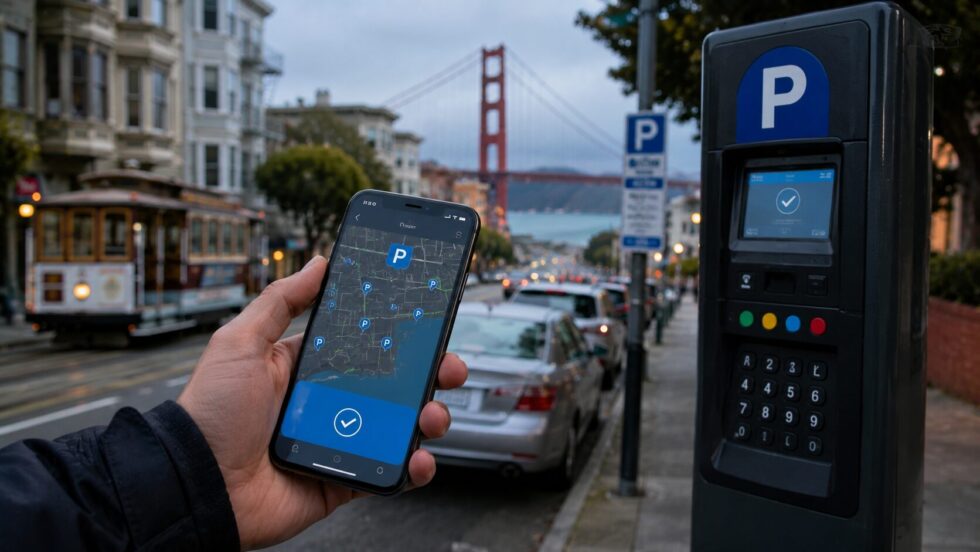
The city’s approach reflects broader changes happening across major U.S. metropolitan areas where curbside infrastructure is becoming part of smart-city planning. Transportation departments now analyze parking data similarly to traffic flow or public transit performance. According to mobility analysts, San Francisco’s dense urban geography makes efficient curb management especially critical for reducing downtown congestion and improving pedestrian safety.
Smartphone parking is reshaping driver behavior in downtown San Francisco
The introduction of smartphone-based parking systems has noticeably changed how drivers interact with downtown San Francisco. Many motorists now plan trips around app availability, garage reservations and real-time parking information rather than simply searching block by block. Areas around Union Square, SoMa and the Financial District experience particularly high demand for digital parking management due to office traffic and tourism activity. The ability to extend parking remotely has also altered how people spend time in restaurants, stores and entertainment venues.
Transportation officials argue that digital parking reduces “stress-driving,” where motorists repeatedly circle crowded blocks searching for open spaces. This behavioral shift may appear minor individually, but city planners say it can significantly affect traffic flow across thousands of daily trips. Reducing even small amounts of repetitive urban driving is increasingly viewed as an environmental and efficiency priority in San Francisco.
ParkMobile gains an advantage through Bay Area integration
One reason ParkMobile is receiving attention from local transportation observers is its compatibility across multiple Bay Area cities. Drivers traveling between San Francisco, Oakland and Berkeley can now use the same application instead of downloading separate systems for each municipality. This regional integration is becoming more important as commuting patterns expand beyond traditional city boundaries. Analysts say fragmented parking technology often creates confusion for visitors and occasional drivers unfamiliar with local systems.
SFMTA officials appear to see interoperability as a long-term advantage rather than simply a convenience feature. Urban mobility experts increasingly argue that transportation systems function more effectively when digital infrastructure operates consistently across metropolitan regions instead of isolated jurisdictions. The Bay Area’s interconnected economy makes that especially relevant.
Digital parking systems are also reducing maintenance costs
Beyond convenience for drivers, city officials say the new parking technology helps reduce operational strain on physical infrastructure. Traditional parking meters require battery replacement, mechanical maintenance and regular servicing connected to coin and card usage. As mobile transactions increase, physical equipment experiences less wear and fewer technical failures. According to transportation administrators, this may allow cities to redirect maintenance budgets toward broader mobility improvements over time.
The shift also reduces the logistical complexity associated with collecting physical payments from thousands of curbside meters across San Francisco. Transportation agencies increasingly prefer digital systems because software updates are easier and cheaper to implement than large-scale hardware replacement projects. While service fees remain controversial among some drivers, officials argue the overall system becomes more efficient operationally.
San Francisco’s parking strategy reflects broader smart-city ambitions
Transportation experts increasingly describe San Francisco’s parking modernization as part of a larger transformation toward data-driven urban infrastructure. Parking apps now connect with navigation systems, traffic analysis platforms and municipal transportation planning tools in ways that were impossible only a decade ago. Officials believe future upgrades could eventually include predictive parking demand, dynamic pricing and AI-assisted traffic management. Some mobility researchers already view parking systems as one of the first visible examples of how smart-city technology directly changes everyday urban life.
For residents, however, the transformation is happening in practical ways: fewer paper tickets, less time spent searching for spaces and more control through mobile devices. What once required coins, kiosks and physical tickets is increasingly handled through automated digital ecosystems operating quietly in the background of city transportation networks.
San Francisco News keeps the city, the Bay Area and the wider world informed with clear, useful reporting on what matters: From Sneakers to Supercomputing: Can Allbirds’ AI Pivot Save the San Francisco Icon in 2026