



Where can you see cherry blossoms in San Francisco 2026? Top spring bloom spots and peak dates guide
Discover the best spots for cherry blossoms and wildflowers in San Francisco for Spring 2026. Expert guide to Japantown, Golden Gate Park, and the Presidio with peak dates and photo tips.
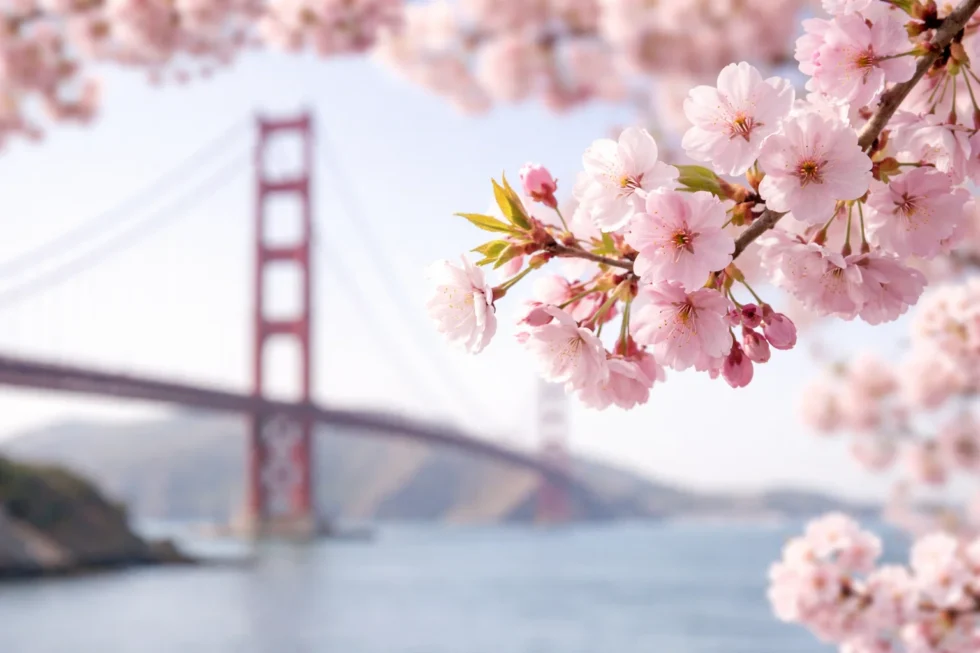
Spring 2026 has arrived in San Francisco with a rare meteorological phenomenon known as a “super-bloom” cycle, transforming the city’s rugged hills into a vibrant tapestry of pink and gold. From the historic groves of Japantown to the wind-swept cliffs of Land’s End, the cherry blossoms and native wildflowers are peaking simultaneously this March, creating a high-traffic window for nature enthusiasts and photographers alike. Understanding the precise timing and microclimate variations is essential for visitors, as the city’s infamous fog can delay blooms in the west while the eastern districts reach full saturation weeks earlier. For the local economy, this seasonal surge represents a critical boost in sustainable tourism, offering travelers a chance to engage with the city’s ecological preservation efforts while witnessing one of the most Instagrammable events on the West Coast. This report is provided by the San Francisco Newsroom.
Northern Cherry Blossom Festival: The Epicenter of Spring in Japantown
The 59th annual Northern California Cherry Blossom Festival remains the undisputed heart of the city’s spring celebrations, centering on the historic Peace Plaza in Japantown. In 2026, the festival has expanded its footprint to include “silent viewing zones” where visitors can experience the sakura without the roar of traditional festival crowds, reflecting a new trend in mindful tourism. The Yoshino and Akebono trees in this district are currently at 90% bloom, with the peak expected to last through the first week of April 2026. Attendees can participate in traditional tea ceremonies under the petals, bridging the gap between San Francisco’s modern urbanity and ancient Japanese customs. The logistics for 2026 have been improved with dedicated shuttle lanes and a digital “Bloom Tracker” app to minimize congestion in the Post Street corridor.
| Location | Primary Flower Type | Best Viewing Time | Crowd Level (1-10) | Nearby Transport |
| Peace Plaza | Yoshino Cherry | 09:00 AM – 11:00 AM | 9 | Bus 38 Geary |
| Japanese Tea Garden | Akebono Cherry | 08:30 AM (Opening) | 8 | Muni Metro N-Judah |
| Land’s End | Wild Poppies | 02:00 PM – 04:00 PM | 4 | Bus 1 California |
| Conservatory of Flowers | Exotic Orchids | 10:00 AM – 12:00 PM | 6 | Muni Metro N-Judah |
| Bernal Heights | Lupine & Mustard | Sunset | 5 | Bus 67 Bernal |
Practical tips for Japantown visitors:
- Arrive at least 30 minutes before the official 11:00 AM festival start to secure a viewing spot near the Pagoda.
- Use the “J-Town Pass” for discounted entry to local artisan shops during the bloom weekend.
- Avoid driving; the Fillmore Street parking garages reach capacity by 10:30 AM during peak weekends.
- Bring a portable power bank, as the digital festival maps and AR historical tours are battery-intensive.
- Respect the trees: 2026 regulations carry a $250 fine for shaking branches or climbing trees for photos.
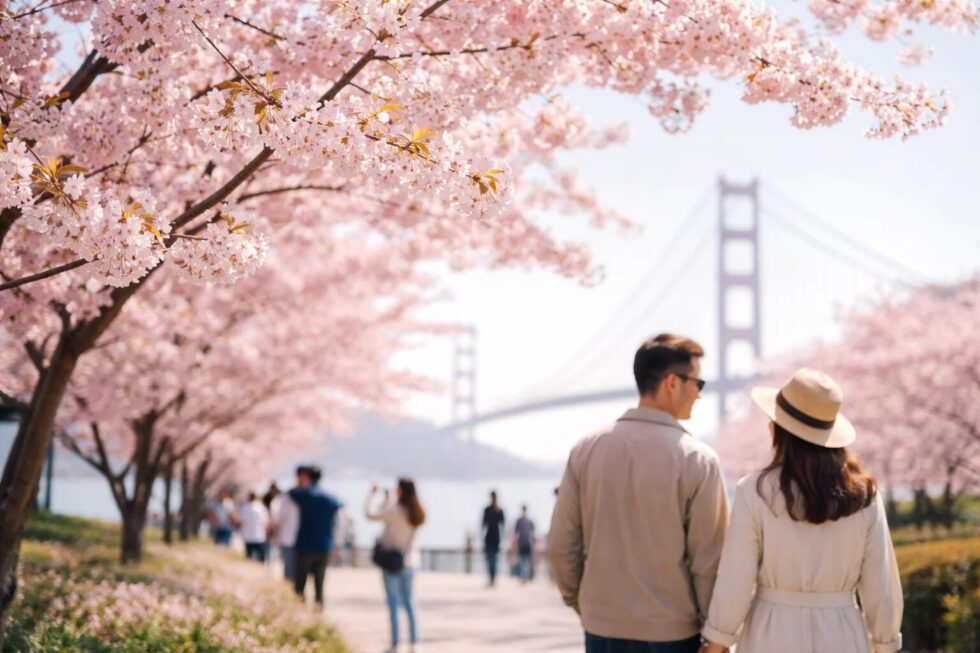
Golden Gate Park: A Horticultural Journey Through the Botanical Garden
Golden Gate Park serves as a massive ecological lung for San Francisco, and in the spring of 2026, its 1,017 acres are a masterclass in diverse floral displays. The San Francisco Botanical Garden is currently showcasing the “Magnolia Bloom High-Peak,” where over 200 rare magnolia trees offer a fragrant, white-and-pink canopy that rivals the cherry blossoms in scale. Unlike the concentrated blossoms of Japantown, the park offers a more spread-out experience, allowing for socially distanced “flower bathing” along the renovated walking paths of the Strybing Arboretum. Urban ecologists recommend visiting the “Ancient Plant Garden” specifically in 2026, as several species of prehistoric flora are blooming for the first time in a decade due to the unique weather patterns. The park’s commitment to accessibility has been upgraded this year with autonomous electric shuttles that run every 12 minutes between the De Young Museum and the western flower fields.
Strategic recommendations for park exploration:
- Start at the Japanese Tea Garden (free for residents before 10 AM) to see the reflection of blossoms in the koi ponds.
- Head west toward the Queen Wilhelmina Tulip Garden near the Dutch Windmill for a vibrant display of 10,000+ tulips.
- Check the “Live Bloom Map” at the park entrance for real-time updates on which sections are at 100% peak.
- Pack a picnic from the Inner Sunset district to avoid the 20-minute wait times at the park’s central cafes.
- Visit on a Tuesday or Wednesday; statistics show mid-week foot traffic is 40% lower than Saturday peaks.
Wildflower Spectacles: Bernal Heights and the Presidio’s Hidden Gems
For those seeking a more rugged and “San Franciscan” floral experience, the city’s hills offer a dramatic contrast to the manicured gardens of the central districts. Bernal Heights Park has become a 2026 hotspot for the “Golden Wave”—a massive spread of California Poppies and yellow Mustard flowers that cover the summit in a glowing blanket during sunset. The Presidio, specifically the Baker Beach cliffs, offers a rare glimpse of the endangered “Presidio Clarkia” wildflower, which is protected under 2026 federal conservation guidelines. Hikers should stick to the “Crosstown Trail” segments that pass through the Glen Canyon Park, where native lilies and irises are flourishing in the damp, shaded valley floors. These areas provide the best opportunities for long-exposure photography, combining the delicate textures of wildflowers with the steel-and-glass backdrop of the downtown skyline.
What to do in the hills:
- Wear sturdy hiking boots; spring rains can make the trails in Glen Canyon and Bernal Heights surprisingly slick.
- Stay on marked paths to protect the delicate root systems of native poppies, which are vital for local bee populations.
- Download the “iNaturalist” app to identify rare species and contribute to the 2026 San Francisco BioBlitz.
- Bring a windbreaker; the “Super-Bloom” hills are significantly colder and windier than the sheltered Japantown valleys.
- Visit Bernal Heights at dawn for a unique “fog-and-flower” photo opportunity before the mist burns off at 10 AM.
Professional Photography and Lighting: Capturing the 2026 Bloom
Photographing the San Francisco bloom requires a specialized approach due to the city’s unique “micro-lighting” conditions, where one block may be in bright sun while the next is shrouded in sea fog. In 2026, professional photographers are moving away from traditional midday shoots, opting instead for the “Mist Hour”—the period between 7:00 AM and 8:30 AM when the fog acts as a natural softbox for delicate petals. Using a macro lens is highly recommended for the cherry blossoms to capture the intricate stamen details, while a wide-angle lens is essential for the sprawling poppy fields of the Presidio. It is important to note that commercial drone use in Golden Gate Park and the Presidio requires a specific 2026 permit, with strict “no-fly” zones around nesting bird habitats during the spring season. Local experts suggest using a circular polarizer filter to cut the glare from the Pacific Ocean when shooting the blossoms near the coast.
Photography Checklist for Spring 2026:
- Gimbal/Tripod: Essential for sharp macro shots in the breezy conditions of San Francisco’s western parks.
- ND Filters: Necessary for shooting at wide apertures in the bright morning sun to achieve a “bokeh” effect.
- Cleaning Kit: Salt spray from the ocean can accumulate on lenses quickly at Land’s End and the Presidio.
- White Balance: Set to “Cloudy” to bring out the warm pink tones of the cherry blossoms against the gray fog.
- Composition: Use the Golden Gate Bridge as a distant “out of focus” background element from the Baker Beach trails.
Sustainable Tourism: Protecting the Blooms for 2027
As San Francisco hosts a record number of visitors for the 2026 spring season, the focus has shifted heavily toward “Zero-Impact Viewing” to ensure the longevity of these delicate ecosystems. The city has introduced “Bloom Rangers”—volunteers who provide educational talks and ensure that visitors do not trample sensitive wildflower areas in the Presidio. Statistics from the San Francisco Recreation and Parks Department indicate that 2025 saw a 12% decrease in plant health due to off-trail foot traffic, prompting the stricter 2026 enforcement of the “Leave No Trace” policy. Visitors are encouraged to use the “Eco-Muni” transit system, which is 100% electric as of early 2026, reducing the carbon footprint associated with floral tourism. By choosing sustainable options, travelers contribute to the $15 million annual conservation budget required to maintain San Francisco’s world-class botanical heritage.
“The 2026 bloom is a testament to urban resilience. We aren’t just seeing flowers; we are seeing the results of a decade of water conservation and native species restoration.” – Dr. Elena Voss, Urban Horticulturalist.
Recommendations for a “Green” Visit:
- Carry a reusable water bottle; the city has installed 50 new “Hydration Stations” near major bloom sites for 2026.
- Support local Japantown businesses that donate a portion of their spring proceeds to the Cherry Blossom Tree Fund.
- Participate in a “Volunteer Weeding Day” at the Botanical Garden to get a behind-the-scenes look at the flora.
- Use digital ticketing for all paid gardens to eliminate paper waste.
- Report any irrigation leaks or damaged trees via the SF311 mobile app to assist park maintenance.
Frequently Asked Questions
When is the exact peak for cherry blossoms in San Francisco 2026?
The peak is projected for March 25th to April 5th, 2026, though this can vary by 3–5 days depending on the intensity of the coastal fog.
Is there an entry fee for the Northern California Cherry Blossom Festival?
The street festival in Japantown is free to the public, though specific cultural performances and tea ceremonies may require a paid ticket.
Can I see wildflowers and cherry blossoms in the same location?
Yes, Golden Gate Park features both manicured cherry groves near the Tea Garden and wilder meadows near the Bison Paddock.
What is the best way to get around during the bloom season?
Public transit (Muni) is highly recommended. The N-Judah and 38-Geary lines provide direct access to the most popular floral sites.
Are drones allowed for flower photography?
Drones are strictly regulated. You must have a commercial permit and avoid “Noise-Sensitive Zones” within the city’s park system.
Is the Japanese Tea Garden free?
It is free for San Francisco residents with ID and free for everyone on Mondays, Wednesdays, and Fridays if you enter before 10:00 AM.
San Francisco News keeps the city, the Bay Area and the wider world informed with clear, useful reporting on what matters: Why Are Silicon Valley Startups Moving To Barcelona In 2026? Barcelona Startup Ecosystem, Venture Capital And Tech Hub Growth